Fresh Price Update
Remax
01923537
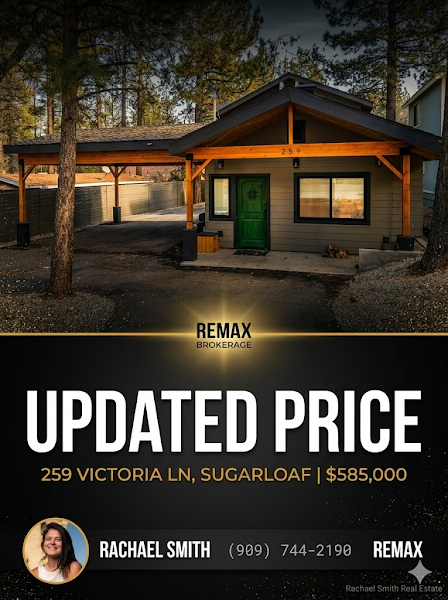
Fresh Price Update
Remax
01923537

For most sellers, waiting costs more than it saves. Big Bear carrying costs run $1,500–$2,500 per month — meaning 18 months of waiting costs $27,000–$45,000 before the market moves a dollar in your favor. Interest rate timing works against sellers too: when rates drop, competition from other listings rises immediately, often canceling out the buyer demand gains. The sellers who do best are the ones who make a clear-eyed decision based on real numbers — not the feeling that waiting is the safe move.
By Rachael Smith | May 22, 2026
It’s the question I get more than any other. Should I wait?
Should I wait for prices to go up? Wait for rates to come down? Wait until the summer? Wait until the cabin is perfectly updated?
I hear it constantly — and I get it. A Big Bear property is often one of the largest financial assets someone owns. Waiting feels safe. It feels responsible. But after years of working this market, the pattern is clear: waiting costs people money far more often than it saves them money.
Here’s exactly why.
Let’s start with carrying costs — the numbers most sellers conveniently leave out of their mental math.
Say you own a cabin and you’re thinking about waiting 18 months to see if values climb back to where they were at the peak. Sounds reasonable. But while you wait, the property costs you money every single month: property taxes, insurance, HOA if applicable, maintenance, and repairs. Mountain properties don’t maintain themselves — roofs, decks, HVAC systems, and pest inspections all add up.
If carrying costs run $1,500 to $2,500 a month, waiting 18 months costs somewhere between $27,000 and $45,000 just to hold the property. The market would need to appreciate meaningfully — beyond what you’ve already spent — just to break even on that decision.
Most people never run this number. They just feel like waiting is the strategic move without doing the math on what waiting actually costs.
Watch Rachael walk through this carrying cost example at 2:01
The second most common version of waiting: “I’m going to hold off until interest rates come down, so more buyers can qualify.”
This logic has a real flaw.
When rates drop, every seller who was waiting lists at the exact same time. Supply surges. Competition goes up. The premium you expected to gain from better buyer demand gets eaten up by having more listings to compete against. I’ve watched this dynamic play out in real time — the best window is often right before rates drop, when serious buyers are still active, inventory is lower, and you face less competition.
Big Bear also operates differently than a standard residential market. A meaningful portion of buyers here are paying cash or putting substantial amounts down — second home buyers, investors, people rolling equity from other transactions. They’re far less interest rate-sensitive than a first-time buyer financing 95% of a purchase. The rate argument that applies to, say, a starter home market in the Inland Empire simply carries less weight here.
Want more Big Bear real estate insights like this? Rachael breaks down market data, seller strategy, and timing every week on her YouTube channel. Subscribe here so you don’t miss an update — especially when the market shifts.
Here’s another version of waiting I hear constantly: “I’m going to redo the kitchen before I list.” Or the deck. Or the bathrooms.
Sometimes updates make sense. But you have to be careful — there’s a real risk of spending money on the wrong things.
I’ve seen sellers put $30,000 into a kitchen remodel and get $15,000 back in the sales price. Buyers wanted to put their own finishing touches on it anyway. Not every update translates to dollar-for-dollar value.
What genuinely moves the needle in the Big Bear cabin market:
Buyers in the cabin market expect a certain level of rustic authenticity — they’re not expecting HGTV perfection. What they are expecting is clean, functional, and safe. If your property is already there, you may be waiting for nothing.
Watch the full breakdown on updates worth doing at 4:26
The conventional wisdom says to list in spring or summer — more buyers, more activity. There’s some truth to that. We do see more traffic from March through August.
But here’s what most sellers miss: inventory spikes in spring too. More sellers list because everyone read the same article about spring being the best time to sell. More competition means buyers have more choices — which puts downward pressure on your pricing.
What we often see in Big Bear is that fall — September through November — is a genuinely compelling time to list. Inventory starts to drop. Serious buyers who didn’t find what they wanted over the summer are still actively looking. And you’re heading into ski season, which pulls in a wave of buyers who want to own before the first snowfall.
I’ve closed some of my cleanest, smoothest transactions in October and November — deals that would have been much messier in April with six competing listings in the same neighborhood.
Winter isn’t dead either. Ski buyers are in town. People visiting Big Bear fall in love with it and open their Zillow app on the spot. If your property is priced right and shows well in the snow, you can absolutely sell in January — and the buyers you find that month tend to be highly motivated. They’re not browsing casually.
There is no perfect universal season. There are tradeoffs in every window. What matters more than the time of year is your pricing strategy and how your property presents. For a deeper look at timing, see when is the best time to sell your Big Bear Lake home.
There’s one more version of waiting that doesn’t show up in spreadsheets. The emotional version.
Big Bear cabins carry memories — family Christmases, summer trips, teaching the kids to ski, gathering around a fireplace. Selling feels like closing a chapter. Waiting gives a sense of control: if I wait, I haven’t really decided yet.
That hesitation is valid. It’s human. But it becomes expensive when you’re building financial justifications around it that don’t hold up when you actually run the numbers. I’ll wait for rates to drop. I’ll wait for the market to recover. I’ll wait until I fix the deck.
If the real reason you’re waiting is emotional, that’s okay. You’re allowed to take more time. But be honest about why — so you’re making a real choice, not delaying a decision while calling it strategy.
Here’s what I’d encourage anyone in the “should I wait” mode to actually do:
If you decide to wait, wait with intention. Know what you’re waiting for. Set a trigger: if rates drop below X, I list. If inventory drops below Y, I list. If carrying costs exceed Z over the next 12 months, I list. Have a plan — don’t just drift.
If you decide to sell, sell with commitment. Price it right from day one. The data on this is clear: homes priced right from the start sell faster and for more money than homes that start high and chase the market down with reductions. A price cut signals to buyers that something is wrong — and invites low offers.
Big Bear Lake is a special market. There are buyers who want exactly what you have — a mountain property in a resort community with four seasons, incredible outdoor recreation, and a short drive from tens of millions of people in Southern California. That demand is real. The question is just timing and strategy.
If you’re sitting on a Big Bear property and genuinely wrestling with this, let’s talk. I’ll walk you through the current numbers, what’s selling, what’s sitting, and what a realistic timeline looks like for your specific property — no pressure, no obligation. Reach out by call or text at 909-744-2190 or email rachaelsmithrealestate@gmail.com.
And if you want to keep getting insights like this, Rachael covers Big Bear market strategy, seller timing, and buyer opportunities every week on YouTube. Subscribe to the channel here — it’s the fastest way to stay ahead of what’s happening in the Big Bear market.
You might also find this helpful: how to choose the best real estate agent to sell your Big Bear home.
About Rachael Smith
Rachael Smith is a top-producing real estate agent with RE/MAX Big Bear, specializing in mountain homes, short-term rental investments, and luxury properties in Big Bear Lake and surrounding areas. With over a decade of experience and hundreds of homes sold, she helps buyers, sellers, and investors make smart, strategic real estate decisions. Through her strong online presence and data-driven approach, Rachael connects clients with opportunities both on and off the market.
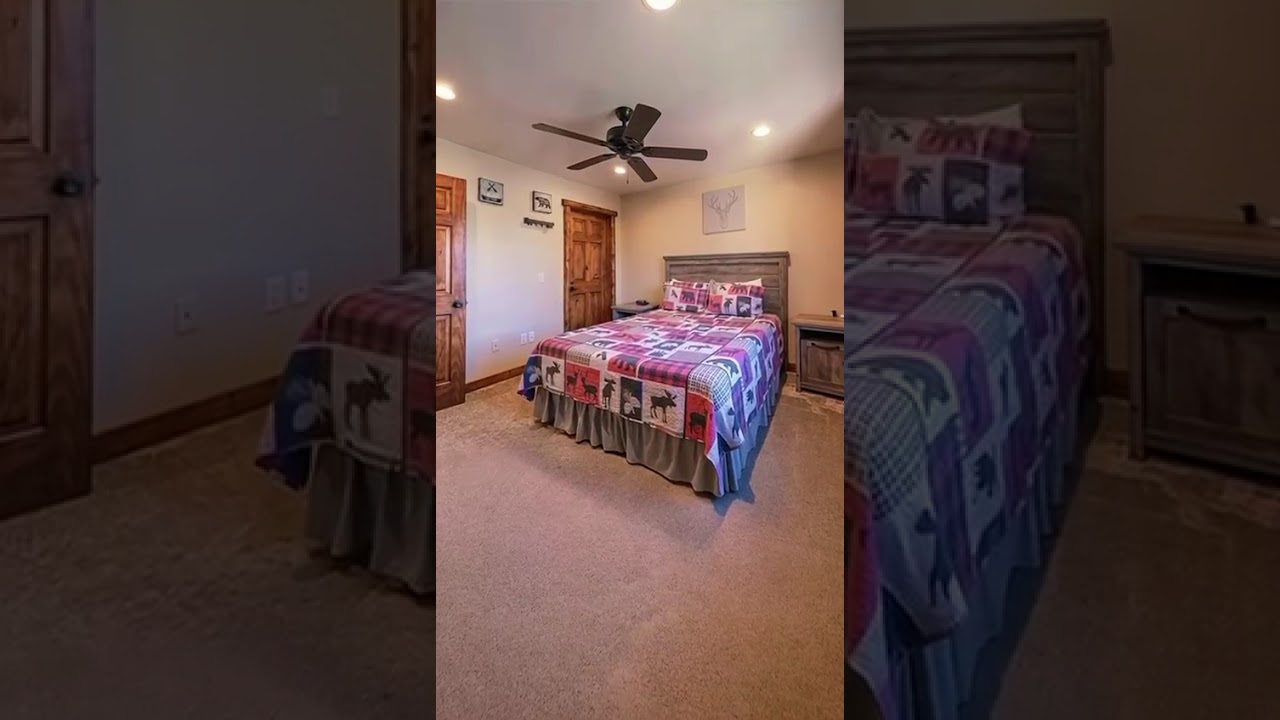
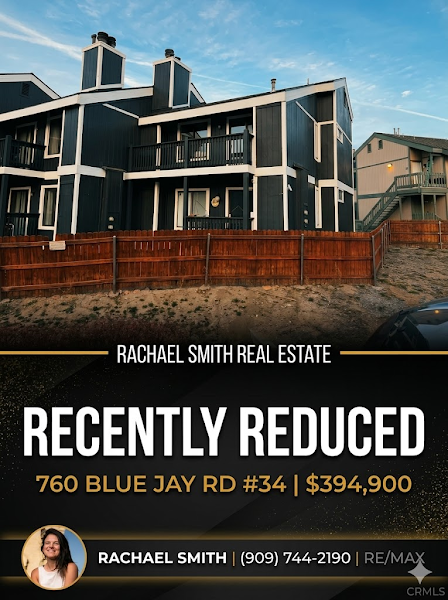
A price reduction on a Big Bear Lake property is one of the clearest buying signals in this market. It means the seller is motivated, the price now reflects current market reality, and — for buyers who’ve been watching — the window to move is open. Reduced listings in desirable Big Bear neighborhoods tend to attract renewed attention fast. Here’s what you need to know about 42550 Bear Loop and how to think about price drops in the Big Bear market more broadly.
By Rachael Smith | May 22, 2026
Price reductions don’t last long in Big Bear Lake.
When a well-positioned property drops its price, it typically gets a second look from everyone who passed on it the first time — and in a market where serious buyers are always present, that renewed attention can move fast. 42550 Bear Loop just had a price reduction, and it’s worth understanding what that means before the opportunity closes.
Bear Loop sits in one of Big Bear Lake’s more established residential areas — a quieter pocket of the mountain that still puts you within easy reach of everything that makes Big Bear worth owning in.
Ski resorts. Hiking trails. The lake. The village. All within a short drive. It’s the kind of location that works whether you’re buying a mountain retreat for your family, looking for a short-term rental investment, or considering a full-time move to the mountains.
The price reduction on this property reflects current market conditions — not a problem with the home itself. Big Bear sellers who overprice at listing are increasingly adjusting to meet the buyer pool where it actually is. For buyers, that’s an opportunity.
Here’s something worth understanding about how price reductions work in a resort market like Big Bear.
When a property starts too high and sits without offers, the seller eventually has to make a choice: reduce the price or continue holding. The longer a listing sits, the more buyers wonder what’s wrong with it — even when the answer is simply that it was overpriced at launch.
A fresh price reduction resets that psychology. It brings the listing back into active search results. It puts the property in front of buyers who filtered it out at the original price point. And it creates a moment of momentum that, in a healthy market, often results in activity.
If you’ve been watching Big Bear inventory and waiting for the right entry point, a motivated seller with a reduced price is exactly that.
Want to stay on top of new listings, price changes, and what’s actually moving in Big Bear Lake? Rachael covers the market every week on YouTube — specific neighborhoods, real data, no fluff. Subscribe here so you’re always ahead of the next opportunity.
If you’re considering 42550 Bear Loop — or any Big Bear property right now — here are the things worth thinking through before you reach out.
Know your use case. Are you buying for personal use, short-term rental income, long-term appreciation, or some combination? Big Bear can deliver on all three, but the strategy looks different for each. A property near the ski slopes or with strong STR history appeals differently than a full-time residence in a quieter neighborhood.
Understand the STR landscape. Big Bear Lake’s short-term rental regulations have evolved over the past few years. Permit caps, zoning changes, and enforcement updates mean you need current information — not what you heard two years ago. I work with buyers on this every week and can walk you through exactly what’s permitted and what to look for in a property before you get attached to a rental income projection.
Move with intention. Price reductions create urgency for good reason. When a motivated seller reduces and serious buyers are watching, the window between “this is interesting” and “accepted offer” can be short. Getting pre-approved, knowing your numbers, and having a clear sense of what you want before you start touring saves you from moving too slowly when the right property shows up.
For a look at what the Big Bear market looks like right now at a similar price point, see the Big Bear City starter home tour at $425K — it gives you a good benchmark for what’s available in this range.
If you want the full details — price, square footage, bedroom/bath count, STR permit status, and what a realistic offer looks like right now — reach out directly.
I can schedule a private showing, walk you through the comparable sales, and help you understand whether this property fits your goals. There’s no obligation and no pressure — just real information so you can make a smart decision.
Call or text: 909-744-2190
Email: rachaelsmithrealestate@gmail.com
Opportunities like this move. If you’re ready to take a look, don’t wait on it.
And if you want to keep seeing Big Bear listings and market updates as they happen, subscribe to the YouTube channel — new properties, price drops, and market breakdowns go up every week.
About Rachael Smith
Rachael Smith is a top-producing real estate agent with RE/MAX Big Bear, specializing in mountain homes, short-term rental investments, and luxury properties in Big Bear Lake and surrounding areas. With over a decade of experience and hundreds of homes sold, she helps buyers, sellers, and investors make smart, strategic real estate decisions. Through her strong online presence and data-driven approach, Rachael connects clients with opportunities both on and off the market.

\
Adjusted Price Now Active
Remax
01923537
Seller Guide · Timing Strategy
Quick Answer
When is the best time to sell a home in Big Bear Lake, CA?
The best time to list your Big Bear Lake home is late January through March — early enough to reach both ski season buyers and the wave of summer buyers planning to close before June. In the current 2026 market, where median days on market runs 80 to 116 days, you need to list earlier than you think to hit your target closing window. Big Bear’s dual-peak calendar — ski season and summer — makes timing strategy here fundamentally different from the rest of California.
By Rachael Smith-Meadors · May 21, 2026 · Broker Associate, RE/MAX Big Bear
Most sellers ask me this question in some version of the same way: “Should I list in spring, like everyone says?” For most of California, the answer is yes. Spring buyer demand is real. But Big Bear Lake doesn’t follow the same rules as the Inland Empire or the suburbs of Los Angeles.
Big Bear is a resort market. It runs on two completely different buyer cycles — ski season and summer — and if you don’t understand both, you can end up listing at the wrong time for your specific property, sitting longer than you should, and negotiating from a weaker position.
Here’s how I think about timing with every seller I work with in Big Bear.
Most California markets have a single strong period — spring — and then buyer activity tapers into late summer and fall. Big Bear has two distinct windows, and knowing which one fits your property changes everything about your listing strategy.
From December through March, Big Bear turns into one of the most visited mountain destinations in Southern California. Bear Mountain and Snow Summit pull hundreds of thousands of visitors every winter, and a meaningful percentage of them leave with real estate on their minds.
They ski all weekend, fall in love with Moonridge or Boulder Bay, and start searching on the drive home. Buyer activity picks up in January and February even as the rest of California slows down after the holidays. This isn’t browsing traffic — it’s the “I’ve been renting a cabin for five years and I finally want to own one” crowd making a real decision.
This window comes with constraints. Heavy snow makes properties harder to show. Buyers from the LA basin sometimes won’t drive Highway 18 when chain control is in effect. The buyer pool is smaller than the summer wave. But if your property photographs beautifully in snow, commands mountain views, or sits near the ski resorts, this is your audience — and they’re emotionally primed.
This is the stronger of the two peaks, and the one most sellers should plan around.
Summer buyers — people who want the cabin for boating season, lake weekends, hiking, and afternoons in The Village — start searching in earnest in February and March. They want to close and be in the home by Memorial Day weekend. If you list in late January or February, you’re directly in front of this group when their motivation is highest.
March 2026 saw 29 homes sold in Big Bear Lake, up from 20 in March 2025 — a solid jump even in a market that’s been cooling. That spring pulse is real. Properties in Fox Farm, Sugarloaf, and lakefront neighborhoods like Fawnskin and Boulder Bay all see heightened buyer attention during this window.
Here’s where a lot of sellers get caught off guard right now.
In 2021 and 2022, homes in Big Bear went under contract in days. You could list in April and close by May. That’s not today’s market. The median days on market in Q1 2026 was approximately 81 days — and at many price points and in slower neighborhoods, you’re looking at 100 to 120 days or more. Add a California escrow of 30 to 45 days, and you’re looking at four to five months from list date to close.
That math matters. If you want to close before summer, you don’t list in April. You list in January or February.
Right now, Big Bear has roughly 8 to 9 months of inventory — a buyer-favorable market. Homes are closing at approximately 96.5% of list price on average. Sellers who price accurately from launch are moving. Sellers pricing on 2022 peak comps are sitting for six months and eventually making deeper cuts than a realistic starting price would have required.
If you want to understand where your home actually stands in today’s market, that’s the most important conversation to have before you commit to any timeline. You can also get context on whether now is the right time to sell based on current conditions — but timing and pricing work together, not in isolation.
If your property is in Moonridge, near Bear Mountain, or positioned primarily as a ski cabin, you have a second listing window that most sellers overlook: October and November.
Ski season buyers start shopping before Thanksgiving. When Bear Mountain announces its opening dates, when early snowpack forecasts look good, and when buyers are planning their holiday ski trips — they’re also scanning what’s available. A buyer who falls in love with a Moonridge cabin in November wants to be in the home by Christmas week. Those buyers are serious and on a firm timeline.
This window is shorter and the buyer pool is smaller than the spring rush. But if your property photographs well in fall color, commands ski run views, and generates strong STR revenue from peak winter weeks, October is worth serious consideration. Properties with solid mountain-specific disclosures in order — snow load certifications, fire clearance, defensible space — also show better when buyers can evaluate winter readiness before the season starts.
Two windows I generally steer sellers away from:
Deep winter (mid-January through mid-February): The weeks around New Year’s are typically slow for showings. Chain control on Highway 18 keeps buyers away. Property photography is harder. If you can wait four to six weeks into February, you’ll hit the spring surge with better conditions, better photos, and a more motivated buyer pool.
Late summer (August): By mid-August, buyers who wanted to purchase for the season already have their plans set. Buyer attention shifts, and new listings walk into a quieter period just as the fall lull begins. You may end up sitting until the October window or until the following spring. If you’ve been listed since spring and you’re still on the market in August, the answer is almost never “wait for spring.” It’s re-evaluate your price.
The “best time” isn’t uniform across Big Bear. Here’s how I think about it by property type:
Knowing which category your property falls into — and who the most likely buyer is — shapes when I’d recommend listing and how we’d position it. You should also have a clear picture of what it actually costs to sell a home in Big Bear Lake so the net proceeds math is clear before you commit to any timeline.
Is spring the best time to sell a home in Big Bear Lake?
Spring — specifically February through May — is generally the strongest selling window in Big Bear Lake, when both ski season buyers and summer buyers are actively in the market. Data from 2025 and 2026 shows the biggest month-over-month sales volume jumps occurring in March. But given current days on market of 80 to 116 days, sellers need to list early in the year to actually close before summer.
How does ski season affect Big Bear real estate sales?
Ski season drives meaningful buyer activity from December through March. Visitors who fall in love with Big Bear while skiing often turn into buyers during that trip or in the weeks after. Properties near Bear Mountain and Snow Summit see particular demand during this window. Heavy snow conditions can make showings harder, so the buyer pool is real but smaller than the pre-summer rush.
How long does it take to sell a home in Big Bear Lake in 2026?
As of spring 2026, the median days on market in Big Bear Lake is approximately 81 to 116 days — up from 71 to 101 days the prior year. With inventory at 8 to 9 months of supply, well-priced properties are moving, but sellers should plan for a longer timeline than 2021–2022 suggested. Add 30 to 45 days for California escrow, and budget four to five months from listing to close.
Should I wait until summer to list my Big Bear cabin?
Listing in summer typically means fewer active buyers for your specific time frame. Summer buyers who wanted to purchase for the season are already in the market by March and April — they’re not starting fresh searches in July. If you miss the spring window, the next best option is October, targeting ski season buyers who want to be in before December. Late summer listings often sit into fall or winter.
What is the current sale-to-list price ratio in Big Bear Lake?
As of spring 2026, homes in Big Bear Lake are selling at approximately 96.5% of list price on average. Sellers who price at a realistic market value are closing within about 3.5% of asking. Overpricing at launch leads to longer days on market and often results in deeper eventual price cuts than a well-calibrated starting price would have required.
Selling in Big Bear Lake means understanding a market that runs by its own rules — two peak seasons, longer days on market in 2026, and a buyer pool that responds differently depending on your property’s location and type. If you’re thinking through a sale this year or next, I’m happy to walk you through what the numbers look like for your specific situation and build a realistic timeline.
Call or text me at 909.744.2190 · buyinbigbearlake.com
About Rachael Smith-Meadors
Rachael Smith-Meadors is a Broker Associate with RE/MAX Big Bear, serving buyers, sellers, and STR investors across Big Bear Lake and the surrounding mountain communities. With 10+ years in the business and a YouTube channel followed by 160,000+ people researching the market, she helps clients understand what’s actually happening in Big Bear before they buy, sell, or list. Connect with her at buyinbigbearlake.com.

Waiting to sell your Big Bear home often costs more than it saves. Carrying costs of $1,500–$2,500 per month add up to $27,000–$45,000 over 18 months — before the market moves a dollar in your favor. Rate drops bring more competition, not less. And the “perfect” season to sell isn’t what most people think. The sellers who come out ahead are the ones who run the real numbers, make a clear decision, and execute on it.
By Rachael Smith | May 21, 2026
If you own a Big Bear property and you’re asking whether to wait before listing, you’re in good company. It’s the question I hear more than any other. And the honest answer is that most sellers asking it are operating on feelings, not math.
That’s not a criticism — it’s just what I see every day in this market. Waiting feels responsible. It feels like protecting your investment. But after years of working with buyers and sellers in Big Bear Lake, I can tell you: waiting costs people money far more often than it saves them money.
The most common reason sellers give for waiting: “I’m going to wait until the market picks back up.”
My first question is always: picks back up from what?
Big Bear Lake is a resort market, a second home market, a vacation rental market. It doesn’t behave like a primary residence market in Los Angeles or the Inland Empire. It has its own rhythm. Values have appreciated meaningfully over the long term — higher than five years ago — but the market doesn’t move in a straight line. There are peaks, valleys, and genuinely better windows. The question isn’t whether the market will change. It will. The question is whether the change you’re waiting for will arrive on your timeline in a way that actually justifies the wait.
Here’s a concrete example. Say you bought a cabin in Moonridge for $450,000. You’re wondering whether to hold until values climb back toward the peak. That sounds reasonable — until you run the carrying costs.
Mountain properties don’t maintain themselves. Roofs, decks, HVAC systems, pest inspections — they all cost money. Add property taxes, insurance, and HOA fees, and most Big Bear owners are looking at $1,500 to $2,500 per month in carrying costs.
Wait 18 months? That’s $27,000 to $45,000 out of pocket — just to wait. Watch Rachael walk through this math at 2:12. The market would need to shift significantly in your favor for that to pencil out.
I’m not saying waiting is always wrong. There are situations where timing your sale genuinely makes sense. What I am saying is that most people don’t run these numbers. They feel like waiting is the prudent move — without ever calculating what prudence is actually costing them.
“I’m going to wait until rates come down so more buyers can afford to buy.” This one is understandable. Higher rates do thin the buyer pool. That’s real.
But here’s what most sellers miss: when rates drop, every seller who was waiting lists at the same time. Supply jumps. Competition jumps. The premium you expected from stronger buyer demand gets eaten by having more listings competing with yours. I’ve watched this play out in real time. The best window is often right before rates move — when inventory is still lean and serious buyers are already in the market. Rachael breaks this dynamic down at 3:08.
There’s another factor that makes Big Bear different from most markets: a meaningful share of buyers here are paying cash or putting large amounts down — second home buyers, investors, people rolling equity from other transactions. They’re far less sensitive to rate moves than a first-time buyer financing 95% of their purchase. So the rate argument that applies in a starter home market applies a lot less here.
Want more insights like this on selling and buying in Big Bear? Rachael covers market data, investment strategy, and real seller decisions every week on her YouTube channel. Subscribe here so you don’t miss an update on the Big Bear market.
“I’m going to wait until I finish the kitchen remodel.” This one sounds so practical. Sometimes updates do make sense. But there’s a real risk of spending money on the wrong things.
I’ve seen sellers put $30,000 into a kitchen and get $15,000 back at closing. The buyers wanted to put their own stamp on it anyway. Not every update translates to dollar-for-dollar value — some don’t even come close. See Rachael’s take on this at 4:37.
What does move the needle in a Big Bear cabin sale:
Cabin buyers are not expecting HGTV perfection. They’re expecting clean, functional, and safe. If your property already is, you may be waiting for nothing.
If you’re weighing a major renovation before listing and want to know what the return looks like in today’s market, that’s exactly the kind of conversation I have with sellers before they make that call. Reach out at rachaelsmithrealestate@gmail.com or call/text 909-744-2190.
The conventional wisdom: list in spring or summer because that’s when buyers show up. There’s some truth to it. Activity does pick up March through August.
But inventory spikes in spring too — because every seller reads the same “spring is the best time to sell” article. More competition means buyers have more choices, and that puts downward pressure on your price.
What I’ve seen in practice: fall — September, October, November — is often a better window. Inventory drops. The serious buyers who didn’t find what they wanted over the summer are still active. And you’re heading into ski season, when a wave of buyers wants to own before the first snowfall. I’ve closed some of my cleanest transactions in October and November that would have been messier in April or May with six competing listings in the same neighborhood. Rachael covers the full seasonality breakdown at 5:46.
Even winter — December through February — isn’t dead. Ski buyers are in town. People visit Big Bear, fall in love with it, and open Zillow on their phones. If your property is priced right and shows well in the snow, you can absolutely sell in January. Those buyers tend to be highly motivated. They’re not browsing casually. They mean it.
The takeaway: there is no perfect universal season. There are tradeoffs in every window. What matters more than time of year is your pricing strategy and your presentation.
Here’s the version of waiting I see most often — and the one that costs the most.
It’s not strategic. It’s emotional. And I say this with genuine compassion, because I’ve watched it happen dozens of times.
People have deep memories tied to their Big Bear cabin. Family Christmases. Summer trips. Teaching the kids to ski. Gathering around the fireplace. Selling feels like closing that chapter. And waiting gives a sense of control — if I haven’t listed yet, I haven’t really decided. The door is still open.
That hesitation is human and valid. But it can cost you if it isn’t acknowledged for what it is. You end up constructing financial justifications for waiting — I’ll wait for rates, I’ll wait for the market, I’ll fix the deck first — that don’t actually hold up when you run the real numbers. Watch Rachael’s take on the emotional side at 7:43.
It’s okay to need more time. You can grieve the transition. But be honest about why you’re waiting — so you’re making a real choice rather than drifting while calling it strategy.
“Should I wait until I have more bookings to show a stronger rental history?” This one has some logic to it. Buyers — especially investors — do value rental income history. But a few things complicate it. Rachael covers the STR-specific angle starting at 9:21.
First, STR regulations in Big Bear Lake have evolved — permit caps, enforcement changes, zoning updates. The landscape continues to shift. Whether the premium for an active STR permit will increase or erode is genuinely uncertain.
Second, listing while you’re actively hosting is painful. Coordinating showings around rental guests means less foot traffic, less flexibility, and buyers who walk because they couldn’t view the property when they wanted to. You’re often better served listing between peak seasons.
A sophisticated investor buyer isn’t purely buying your rental history — they’re buying the property, the permit, and the location. A good cabin in a desirable area with a valid STR permit will sell. The income history helps, but it’s not the whole story. For more on how financing works for investment properties vs. second homes in Big Bear, see our post on how to finance a Big Bear Lake vacation home.
If you’re genuinely wrestling with this question, here’s the framework I walk sellers through:
1. Get a real market analysis. Not an estimate, not a number from two years ago, not the COVID peak. A current CMA based on what’s actually selling in your neighborhood, your price range, your property type. That number will either confirm your timing or it won’t.
2. Run your carrying costs honestly. Everything — mortgage or equity opportunity cost, taxes, insurance, utilities, maintenance, HOA, STR management. What does waiting 12 months actually cost you in real dollars?
3. Compare that to the realistic upside you’re waiting for. Be specific. Does the math work?
4. Think about your life. What does selling enable? Maybe it frees equity for another investment. Maybe it reduces financial stress. Maybe it simplifies your life in a way that genuinely matters. The market isn’t the only variable. Your situation is a variable too.
If you decide to wait, wait with intention. Set a trigger: if rates drop below X, I list. If inventory drops below Y, I list. If carrying costs exceed Z over 12 months, I list. Have a plan.
If you decide to sell, commit. Price it right from day one — not at a number that feels good emotionally, but at a number driven by actual comps. Homes priced right from the start sell faster and for more money than those that start high and chase the market down. Every price reduction signals to buyers that something is wrong and invites low-ball offers.
Big Bear Lake is a special market. There are buyers who want exactly what you have — a mountain property in a resort community, four seasons of recreation, and a short drive from tens of millions of people in Southern California. That demand is real. The question is just timing and strategy.
If you’re ready to talk through the numbers for your specific property — no pressure, no obligation — I’m here. Call or text at 909-744-2190, email rachaelsmithrealestate@gmail.com, or find more information at buyinbiglake.com.
When you’re ready to choose the right agent for the job, this post on how to choose the best real estate agent to sell your Big Bear Lake cabin walks through what actually matters in that selection.
For more on the Big Bear market, seller strategy, and investment analysis, subscribe to the channel at youtube.com/@rachaelsmithrealestate. I cover the real numbers every week.
About Rachael Smith
Rachael Smith is a top-producing real estate agent with RE/MAX Big Bear, specializing in mountain homes, short-term rental investments, and luxury properties in Big Bear Lake and surrounding areas. With over a decade of experience and hundreds of homes sold, she helps buyers, sellers, and investors make smart, strategic real estate decisions. Through her strong online presence and data-driven approach, Rachael connects clients with opportunities both on and off the market.
How do you choose the best real estate agent to sell your Big Bear Lake cabin without leaving money on the table?
Look for an agent with proven local sales history, a strong digital marketing strategy, and the negotiation skills to back it up — Big Bear isn’t a typical market, and not every agent knows how to work it.
Selling a cabin in Big Bear Lake isn’t like selling a house in the suburbs. This market runs on seasonality, STR demand, and buyer emotions — people aren’t just buying square footage, they’re buying weekends, snow days, and lake memories. The wrong agent will treat your cabin like a standard listing and price it accordingly. The right one will understand exactly what makes your property worth more and how to find the buyer who’ll pay for it.
Here’s what to actually evaluate when you’re interviewing agents.
Big Bear Lake is a niche market. What works in the Inland Empire or Los Angeles doesn’t translate here. Seasonal inventory swings, proximity to Snow Summit or Bear Mountain, lake access, and STR permit eligibility all affect value in ways that only a hyperlocal agent will know how to use.
When you’re talking to agents, ask them to walk you through the last 5–10 cabins they’ve sold in the area. Not just the number — ask about pricing strategy, days on market, and whether they came in at or above list price. An agent with a real track record in Big Bear City, Moonridge, Sugarloaf, or Fawnskin will know what comparable properties actually sell for, not just what they list for.
The Big Bear Association of REALTORS® tracks local market data — a knowledgeable agent should be able to speak to it fluently.
Every agent will tell you they do “professional photography and social media.” Push past that. What does their actual marketing plan look like for a mountain cabin?
The buyers most likely to pay top dollar for a Big Bear Lake property are searching online — often from out of the area. That means your listing needs to be optimized for how people actually search: vacation home, Airbnb investment, mountain cabin, Big Bear lake access. According to NAR research, over 95% of buyers use online tools during their home search. If your agent’s digital presence is weak, you’re invisible to your best buyers.
Look for:
Ask to see a sample of how they’ve marketed a similar property. The answer will tell you everything.
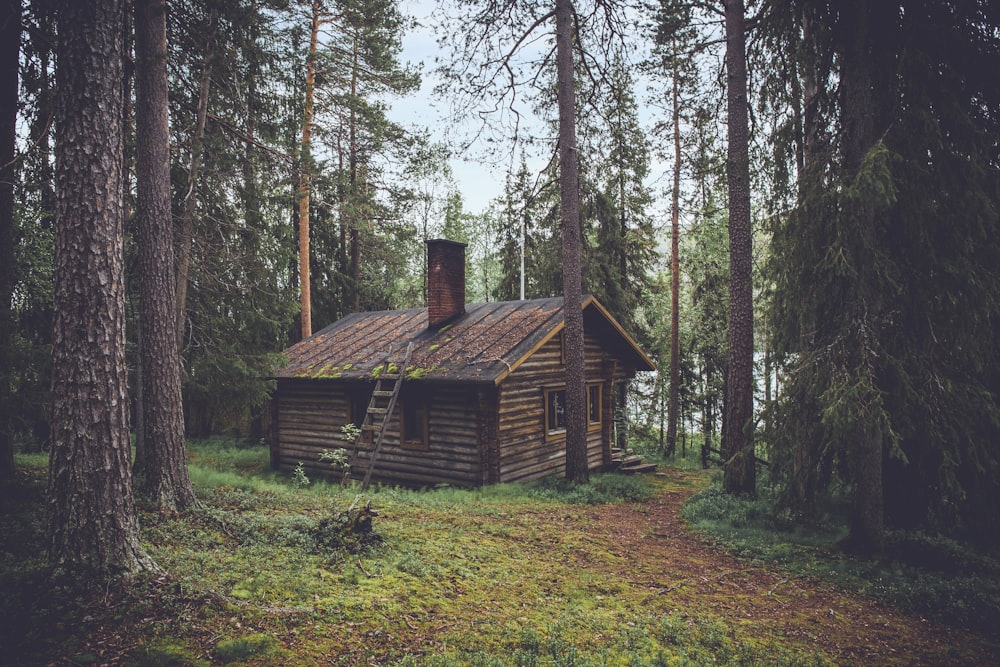
A well-priced, well-marketed cabin will attract offers. What happens next is where inexperienced agents cost sellers money.
Negotiation in Big Bear isn’t just about price — it’s about inspection contingencies, repair credits, closing timelines, and keeping a deal together when a buyer gets cold feet after a home inspection. A good agent knows when to hold firm and when a concession is worth making to protect the sale.
Ask any agent you’re interviewing: “Tell me about a deal that almost fell apart and how you saved it.” If they can’t give you a specific story, keep looking.
Strong communication is part of this too. Your agent needs to be responsive — to you and to the buyer’s agent. Deals die in the gap between slow responses.
California requires all real estate agents to be licensed through the California Department of Real Estate. You can verify any agent’s license status there in two minutes. Beyond the baseline license, look for designations that signal vacation or investment property experience.
Then go read their reviews — not just the star rating, but the actual text. Look for sellers who mention communication, pricing, and final sale outcome. Pattern-match across multiple reviews. One five-star review means less than fifteen consistent ones.

Ask about their recent sales in Big Bear Lake specifically, how they’d price your property and why, what their marketing plan looks like, and how they handle negotiations. Also ask about their availability and response times — communication gaps kill deals.
Yes, especially in Big Bear Lake. STR demand drives a significant portion of buyer interest here, and an agent who understands that angle can market your property to investors who may pay a premium for rental income potential. AirDNA and similar tools help quantify that value — a good agent knows how to use that data in your favor.
You can, but it comes at a real cost. You’ll be responsible for pricing, marketing, negotiation, disclosures, and transaction coordination — all while competing against professionally represented buyers. Most FSBO sellers in resort markets leave money on the table by underpricing or missing qualified buyers entirely. The commission is almost always less than what a skilled agent adds back.
Choosing the right agent is one of the highest-leverage decisions you’ll make in the sale process. If you’re thinking about selling your Big Bear Lake cabin — this year or next — let’s have a conversation about what your property is worth and how I’d approach the sale.
Call or text Rachael Smith-Meadors at 909.744.2190 — Broker Associate at RE/MAX Big Bear.
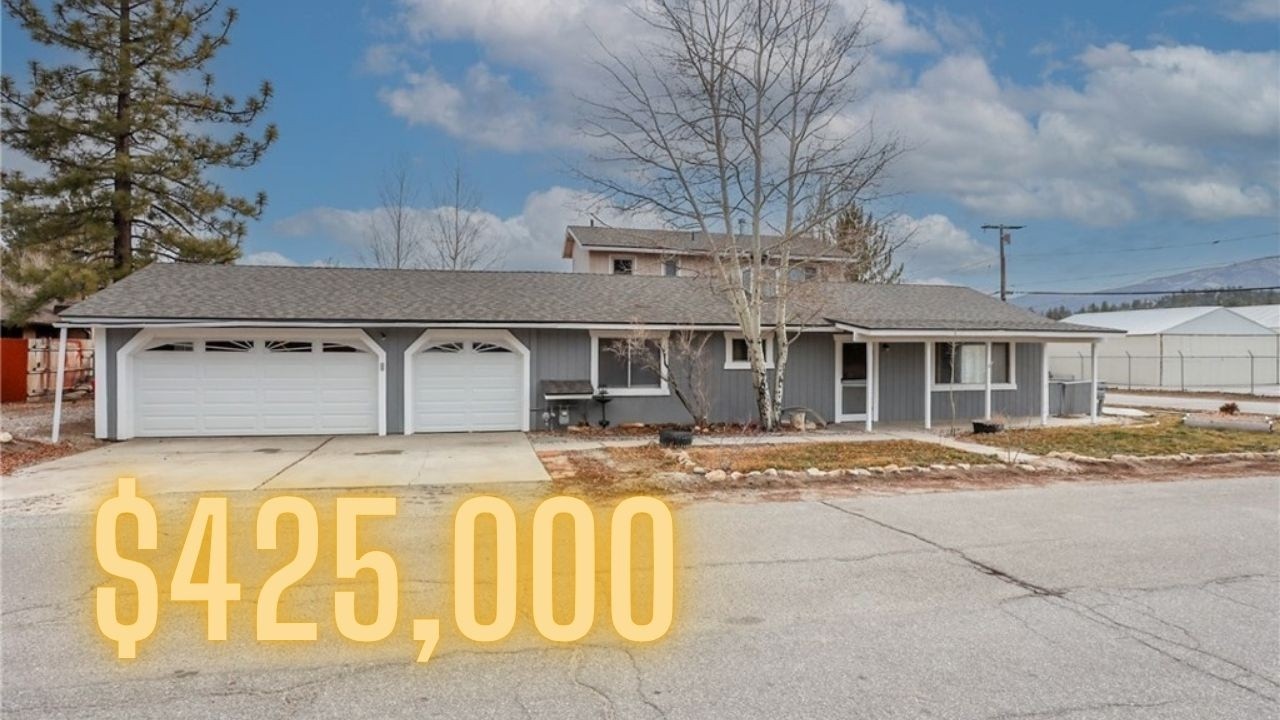
If you’re looking at entry-level Big Bear properties, the numbers at this price point — 3 bedrooms, 2 bathrooms, roughly 1,200 square feet, 3-car garage, corner lot — are hard to argue with. At $425K, 171 West Meadow Lane in Big Bear City hits a sweet spot that doesn’t come around often. It’s priced to move, the roof is new, and the location gives you real access to everything that makes Big Bear worth buying into.
This is the honest walkthrough — what’s genuinely strong about this home, what you’d want to factor into your offer, and why properties like this don’t sit.
By Rachael Smith | May 20, 2026
Three beds. Two baths. About 1,200 square feet. Corner lot at 5,500 square feet. Built in 1977. New roof. And a 3-car garage that is genuinely oversized — the kind of garage that sells the house by itself for a certain buyer.
The address sits at the corner of Meadow and Myrtle in Big Bear City, close to the airport. That sounds underwhelming until you look at the actual distances: 5 minutes to the grocery store, 3 minutes to Big Bear Lake, 7 minutes to the Village, 6 minutes to Snow Summit, 1 minute to the National Forest. You’re not remote. You’re just in the quieter, less expensive part of town — which, for a lot of buyers, is exactly the point.
The listing is priced by my good friend Bill Young at RE/MAX in the Village. When he priced this at $425K, he was thinking about value — and it shows. A 3/2 with a 3-car garage at this number? That combination is rare.
The living room is anchored by an original stone fireplace that runs floor to ceiling — the kind of detail that photographs beautifully and makes the space feel like a true mountain cabin. The cedar tongue-and-groove paneling throughout the main living areas is classic Big Bear. Some buyers love it as-is; others would eventually paint the cabinets or add lighter accents to brighten the space. Either way, it’s structurally sound and well-maintained.
The kitchen is a solid size for 1,200 square feet. Good counter space, tons of storage, a pantry area, and room for 2–3 people at the bar. The fridge is out — which usually means this was a long-term rental, not a vacation home. That’s a small tell about how the property has been used, and worth factoring into your expectations during inspection.
All three bedrooms have newer carpet. The master is big enough for a king, has long closets, and connects to a private bath. The master bathroom doorway is on the smaller side — not a dealbreaker, but something to note if you’re staging for STR or planning a renovation.
The garage. Let’s talk about the garage. This is a true 3-car garage — or a 2-car with a full workshop, or a 1-car with a seriously large workspace. The driveway also accommodates 6+ vehicles, with room for a boat or RV. In Big Bear, where storage is always at a premium, that’s a meaningful amenity for both primary residents and short-term rental guests.
The entryway laminate flooring has some wear — water, snow, and ice over the years. It’s not urgent, but it’s visible, especially to a buyer walking in for the first time.
There are some minor water marks on the interior paneling near the entrance. The new roof makes these less concerning than they’d otherwise be, but you’ll want to confirm everything is properly sealed during inspection.
Heating is via wall heaters throughout — no central HVAC. If you wanted forced air, you’d route it through the attic, which is completely doable on this structure. Just budget for it if it’s on your list.
Windows are single-pane. Again, not a dealbreaker at this price, but something to account for in your energy and comfort calculations — especially if you’re buying for full-time use or year-round STR.
One item worth flagging for any Big Bear purchase: the shake shingles on part of the exterior. Some insurance carriers in the area require removal of shake shingles as a condition of coverage. It doesn’t come up every time, but it comes up enough that you should verify your insurance situation before closing. This applies to a lot of mountain properties — not just this one.
If you’re new to the insurance landscape up here, I’d encourage you to read up on the financing and insurance nuances that come with buying a Big Bear vacation home — it’s one of the most important things to get right before you’re under contract.
Want to see more Big Bear property tours and market breakdowns before they hit your feed? Rachael walks through real listings — honest, no-filter walkthroughs — every week on her YouTube channel. Subscribe here so you catch every tour as it drops.
Short answer: it can be, for the right buyer. The location is genuinely strong — close to Snow Summit, the lake, and the National Forest. Three bedrooms and two bathrooms is a viable STR floor plan. The 3-car garage adds a meaningful amenity line to your listing.
The 1977 construction and current cosmetics mean you’d want to invest in some updates before marketing it as a premium rental — new flooring at the entry, modernizing the kitchen hardware, freshening the bathrooms. None of that is a massive capital outlay at this price point, but factor it into your acquisition math.
If you’re comparing this to higher-priced options, take a look at how a more turn-key cabin stacks up — I walked through the Fox Farm property and its STR potential recently, which gives you a useful reference point at a different price tier.
The real question with any STR in Big Bear isn’t just “can it rent” — it’s “what permits are available and what’s my occupancy ceiling.” That’s a conversation worth having with a local agent before you fall in love with the returns on paper.
The buyers I’d point toward this one:
Homes in this price point that show well and feel right don’t sit long. That line from the description is accurate — it’s not marketing language. The combination of price, bedroom count, garage size, and location at $425K is genuinely competitive.
If you’re thinking about buying in Big Bear — whether this property or something like it — reach out. I know this market, I know the neighborhoods, and I know how to help you make a smart move. You can reach me at 909-744-2190 or rachaelsmithrealestate@gmail.com.
And if you want to keep watching properties like this before you’re ready to make a move, subscribe to the channel — I walk through new Big Bear listings every week, with the honest notes you actually need.
About Rachael Smith
Rachael Smith is a top-producing real estate agent with RE/MAX Big Bear, specializing in mountain homes, short-term rental investments, and luxury properties in Big Bear Lake and surrounding areas. With over a decade of experience and hundreds of homes sold, she helps buyers, sellers, and investors make smart, strategic real estate decisions. Through her strong online presence and data-driven approach, Rachael connects clients with opportunities both on and off the market.

Lake Arrowhead Living: A Peaceful Mountain Retreat
For those seeking tranquility in the mountains, Lake Arrowhead offers a peaceful and exclusive retreat surrounded by beautiful forest scenery.
Often referred to as the “Alps of Southern California,” Lake Arrowhead has a reputation for quiet charm, scenic beauty, and refined mountain living.
One of the most unique features of Lake Arrowhead is that the lake itself is private. Access is reserved primarily for homeowners and members of the Arrowhead Lake Association.
This helps preserve the peaceful environment and keeps the lake waters clean and less crowded compared to many public lakes.
Residents enjoy boating, kayaking, paddleboarding, and lakeside relaxation without the heavy traffic often seen in larger tourist destinations.
The Lake Arrowhead Village is the social hub of the community.
Here you’ll find boutique shops, cozy restaurants, seasonal events, and beautiful lakeside views. The atmosphere feels intimate and relaxed, making it perfect for slow afternoons and scenic strolls.
Surrounded by forest and mountain trails, Lake Arrowhead offers countless opportunities to explore nature.
Nearby highlights include scenic hikes like Heart Rock Trail and family attractions like SkyPark at Santa’s Village.
Lake Arrowhead real estate often features beautiful architecture and spacious properties.
Buyers can find:
Lakefront estates
Luxury mountain cabins
Private forest homes
Boutique vacation properties
Many homes are designed to embrace the surrounding landscape, with large windows, wood interiors, and peaceful outdoor spaces.
For many buyers, Lake Arrowhead represents the perfect escape from city life.
The quiet setting, private lake access, and refined mountain lifestyle make it an exceptional place to relax, recharge, and enjoy nature year-round.
Working with a local expert can help you explore whether Lake Arrowhead—or another nearby mountain community—is the right fit for your next chapter.

Lenders classify a Big Bear Lake purchase as a second home if you plan to use it personally for at least part of the year, it’s located a reasonable distance from your primary residence, and you’re not depending on rental income to qualify for the loan. Second homes require a minimum 10% down payment with rates running roughly 0.25–0.75% above primary residence rates. If the lender concludes your primary intent is income generation, the property becomes an investment property — requiring 20–25% down, a higher credit score (typically 720+), and significantly higher loan costs. On a $700,000 Big Bear cabin, the down payment difference alone can exceed $100,000.

This is the question I get from buyers almost every week: “Is there a difference between financing a cabin I’ll use as a vacation home versus one I plan to rent on Airbnb?”
There is. And it’s not a small one.
The classification your lender assigns to your Big Bear Lake property — second home or investment property — affects your down payment requirement, your interest rate, your credit score threshold, and in some cases whether you can get approved at all. Getting this wrong early in the process means scrambling to come up with more cash at the table, paying a higher rate for the life of the loan, or in some cases getting denied on a property you thought you could afford.
Here’s how to think through it before you make an offer.
Both second homes and investment properties are non-primary residences. But lenders treat them very differently because the risk profile is different — and Fannie Mae and Freddie Mac, who back most conventional mortgages, have separate guidelines for each.
A second home is a property you intend to occupy personally for part of the year. Think of it as your cabin — a place where you spend ski weekends in Moonridge, summer weeks on the lake in Boulder Bay, or holidays in Big Bear City. You might rent it occasionally when you’re not there, but the primary purpose is your enjoyment and use.
An investment property is one where the primary purpose is generating rental income. You’re buying it to run as a short-term rental, a long-term rental, or both. The property’s economics are driving the decision, not personal use.
Lenders care about this distinction because the two loan types have meaningfully different default profiles — and they price accordingly.

| Factor | Second Home | Investment Property |
|---|---|---|
| Down payment | 10% minimum (20% preferred) | 20–25% typical |
| Interest rate | ~0.25–0.75% above primary | Higher — LLPAs vary by credit/LTV |
| Credit score | 640+ (680+ preferred) | 720+ typical |
| Reserves required | 2 months | 6+ months |
| Rental income to qualify | Not allowed | Can be used (with 2-year history) |
| Personal use required | Yes — 14+ days/year (IRS rule) | No requirement |
On a $700,000 Big Bear Lake cabin:
That’s a $105,000 gap between the minimum second home down payment and the investment property floor — and it doesn’t include closing costs, reserves, or the other cash you need at the table.
As of spring 2026, 30-year fixed rates in California are running around 6.75% for primary residences.
A 0.50% rate difference on a $560,000 loan runs roughly $195/month more in payment — close to $70,000 over the life of the loan.
Distance from your primary residence. Lenders typically require at least 50 miles. Big Bear Lake sits about 100 miles from Los Angeles and 60–80 miles from most of the Inland Empire — the distance requirement is satisfied without any creative workarounds.
Established resort and vacation market. Fannie Mae guidelines specifically recognize that properties in established vacation or resort markets qualify more naturally as second homes. Big Bear Lake’s character as a seasonal mountain resort community works in your favor.
You can still rent it occasionally. Under IRS rules, you can rent your second home up to 14 days per year completely tax-free. Beyond that, it still qualifies as a vacation home as long as personal use exceeds 14 days per year — or 10% of total rental days, whichever is greater.
The key rule: you cannot depend on rental income to qualify for the loan. If your DTI only works because someone is paying to stay in your cabin, the lender will classify it as an investment property.
This is where buyers get caught — and I’ve seen it happen more than once.
If you tell a lender “I want to buy a cabin and list it on Airbnb full-time,” the lender will classify it as an investment property, regardless of whether you personally plan to stay there. That means 25% down, investment property pricing, and 720+ credit score requirements.
If you buy it as a second home — planning to use it personally and rent it occasionally — you stay within second home guidelines. Fannie Mae allows a property to be classified as a second home even when there is rental income, as long as you’re not using that income to qualify for the loan.
The lender follows your documented intent — and looks at your DTI with and without rental income, your occupancy certification, and the property’s listing history.
If you’re specifically buying to run as a full-time STR, there are DSCR (Debt Service Coverage Ratio) loans built for that use case — where rental income covers the qualification without relying on personal income. Those typically require 20–25% down.
Income documentation:
Credit: 640+ for second home (680+ preferred), 720+ for investment property.
Assets: Down payment funds sourced and documented (60-day bank history). Reserves: 2 months for second home, 6 months for investment.
Debt-to-income ratio: Most conventional lenders look for a combined DTI of 43–45%, including both your primary mortgage and the new Big Bear mortgage.
The only way to know where you stand is to run the actual numbers with a lender who works in mountain resort markets. A full pre-approval — not just a pre-qualification — before you’re actively shopping gives you a clear ceiling and avoids surprises in contract.
Big Bear Lake properties carry effective property tax rates of approximately 1.29–1.47% of assessed value. Under Prop 13, assessed value resets to the purchase price on a new sale. On a $700,000 purchase, that’s roughly $9,000–$10,300 per year in property taxes.
Beyond the mortgage and taxes, plan for:

Can I use rental income from my Big Bear Lake cabin to qualify for the mortgage?
Generally, no — not under second home financing. Fannie Mae allows a second home classification even with rental income, but that income cannot be used to qualify for the loan. If you need rental income to make the DTI work, lenders will classify it as an investment property purchase.
What’s the minimum down payment to buy a vacation home in Big Bear Lake?
The minimum for a second home mortgage is 10%, but most lenders want 20% unless your credit and DTI are strong. Investment property purchases typically require 20–25% down. On a $700,000 Big Bear cabin, the practical range is $70,000 to $175,000.
Does buying in Big Bear Lake automatically qualify as a second home?
Not automatically — intent and loan structure matter. However, Big Bear Lake has strong second home eligibility: 50–100+ miles from most SoCal primary residences, an established resort market recognized by Fannie Mae, and clear seasonal-use character.
What credit score do I need to finance a Big Bear Lake vacation home?
For a second home loan: 640+ minimum, 680+ for best terms. For investment property: 720+ typical. Higher scores reduce the LLPAs that add to your effective rate.
Can I still rent my Big Bear cabin on Airbnb if I finance it as a second home?
Yes, with limits. Up to 14 days/year is completely tax-free. Beyond that, it qualifies as a vacation home as long as personal use exceeds 14 days/year or 10% of total rental days. What lenders restrict is using rental income to qualify at origination — not rental activity after closing.
The financing question is one of the first things to get clear on when you’re thinking about buying in Big Bear Lake — it determines how much cash you need, what your monthly number looks like, and whether the property you want is actually in reach.
Get those answers early, and the rest of the process moves faster. Call or text me at 909.744.2190, or visit buyinbigbearlake.com — I’m happy to walk through the specifics with you.
About Rachael Smith-Meadors
Rachael Smith-Meadors is a Broker Associate with RE/MAX Big Bear, serving buyers, sellers, and STR investors across Big Bear Lake and the surrounding mountain communities. With 10+ years in the business and a YouTube channel followed by 160,000+ people researching the market, she helps clients understand what’s actually happening in Big Bear before they buy, sell, or list. Connect at buyinbigbearlake.com or call/text 909.744.2190.