Category: Uncategorized

  • Moonridge, Fox Farm, or Sugarloaf? A Big Bear Lake Neighborhood Guide for Buyers

    Moonridge, Fox Farm, or Sugarloaf? A Big Bear Lake Neighborhood Guide for Buyers

    Big Bear Lake aerial view in winter

    Which Big Bear Lake neighborhood should I buy in — Fox Farm, Moonridge, or Sugarloaf?

    Moonridge, Fox Farm, and Sugarloaf each serve a different buyer. Fox Farm offers walkability and premium STR income. Moonridge gives ski-in proximity with strong rental demand. Sugarloaf is the value play for buy-and-hold investors. The right choice depends on your budget, STR goals, and how you plan to use the property.

    By Rachael Smith-Meadors, Broker Associate | RE/MAX Big Bear | May 28, 2026

    Every week I talk to buyers who have already Googled “Big Bear Lake neighborhoods” and come away more confused than when they started. The listicles say things like “Moonridge is great for skiers!” and “Sugarloaf is affordable!” — which is technically true but tells you nothing about whether that neighborhood actually fits what you're trying to accomplish.

    So let's skip the generic overview and get into what actually matters: STR income potential, pricing reality, ski access, and which type of buyer wins in each area. I'll cover Fox Farm, Moonridge, and Sugarloaf — the three neighborhoods I get the most questions about from out-of-area buyers.

    Fox Farm: The Premium Central Address

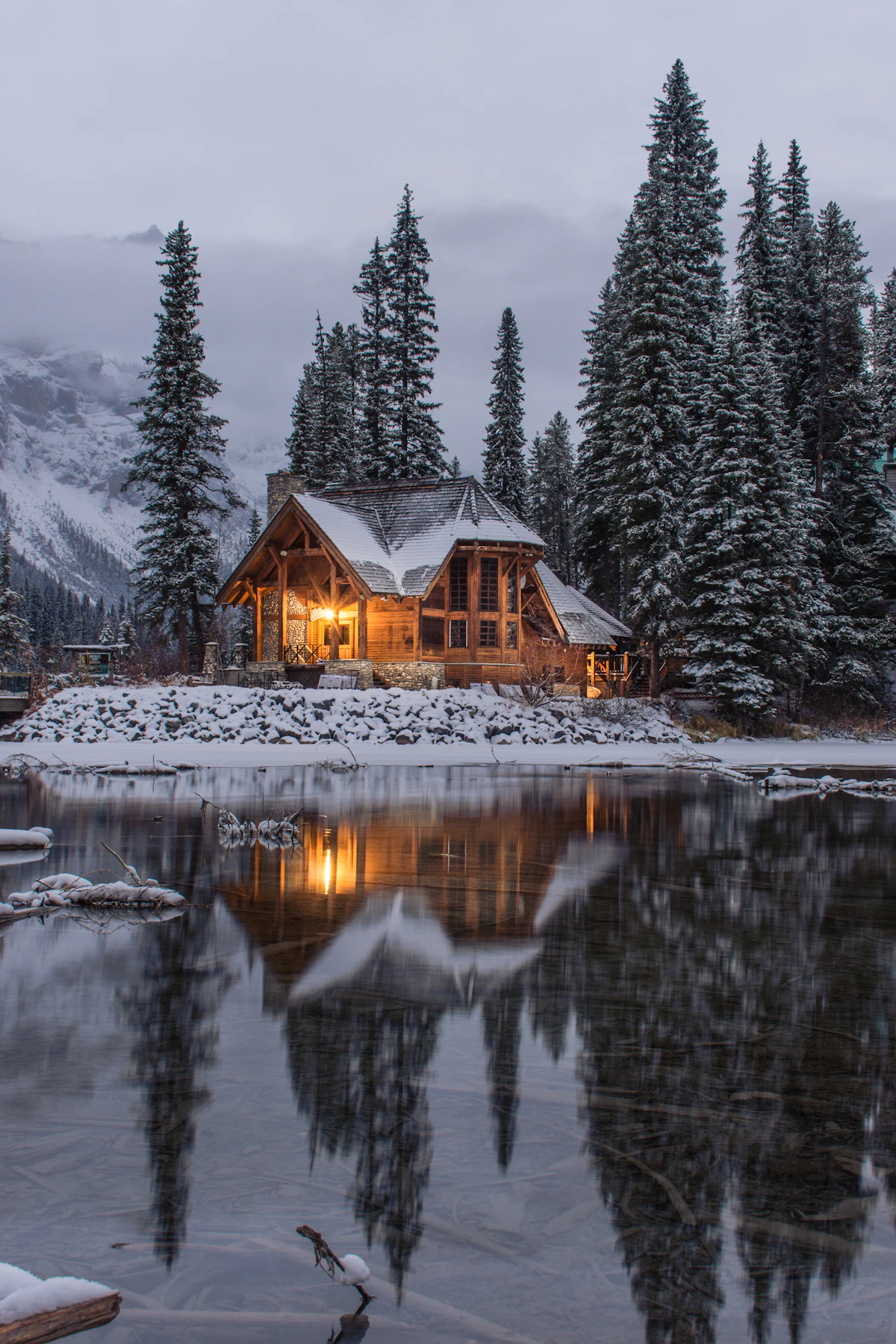
    Cozy mountain cabin in snow

    Fox Farm At a Glance

    • Median price range: $650K–$950K (single-family)
    • STR jurisdiction: City of Big Bear Lake (permit required)
    • Ski access: 5–10 min drive to Snow Summit
    • Best for: STR investors, primary buyers wanting walkability
    • Avg STR gross (3BR): $70K–$95K/year (well-managed, well-reviewed)

    Fox Farm sits in the core of Big Bear Lake city limits, within walking distance of the Village and close to the lake itself. It's the neighborhood that checks the most boxes for buyers who want rental income AND a place they'd actually enjoy staying in themselves.

    What you'll actually pay: Fox Farm runs above average for Big Bear. A 3-bedroom cabin in good condition starts around $650K; renovated or lakefront-adjacent properties push $850K–$950K+. If you're seeing something listed under $580K in Fox Farm, look carefully — deferred maintenance is common at that price point.

    STR reality: Fox Farm is in City of Big Bear Lake jurisdiction, which means you need a city STR permit. The city has been tightening permit issuance — confirm permit availability before you make an offer, not after. When properties are permitted and well-managed, Fox Farm STRs are among the strongest performers on the mountain. Proximity to the Village is a guest amenity that shows up in your reviews and your occupancy rate.

    Who wins here: Buyers who want a proven STR location and don't mind paying for it. Also strong for primary/secondary buyers who want to walk to dinner without getting in a car.

    Moonridge: Ski-Adjacent, High Demand, Complex STR Rules

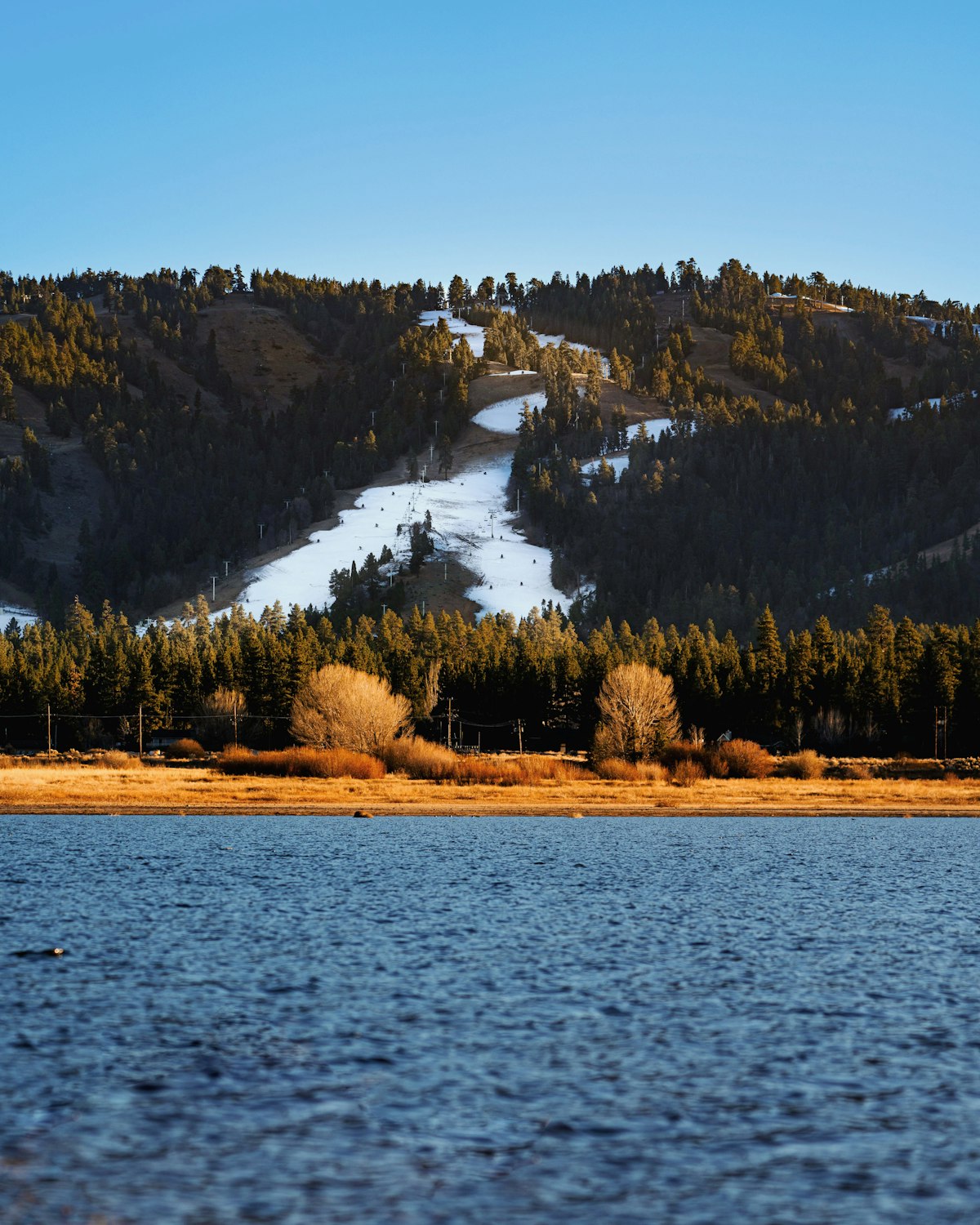
    Ski resort mountain slopes in winter

    Moonridge At a Glance

    • Median price range: $600K–$850K (single-family)
    • STR jurisdiction: Split — City of BBL and San Bernardino County (verify by parcel)
    • Ski access: Closest neighborhood to Snow Summit and Bear Mountain
    • Best for: Ski-focused STR investors, buyers prioritizing resort proximity
    • Avg STR gross (3BR): $65K–$90K/year peak-season-dependent

    Moonridge is the neighborhood that gets the most attention from ski-motivated buyers, and for good reason — it's the closest residential area to both Snow Summit and Bear Mountain. When there's snow on the ground, Moonridge STRs fill up fast. The challenge is that Moonridge straddles two jurisdictions, and which side of the line your property sits on determines your STR options entirely.

    The jurisdiction issue: Parts of Moonridge fall within City of Big Bear Lake limits (city STR permit required, capped issuance). Other parts fall under San Bernardino County (county STRRP — Short-Term Rental Registration Program — applies, which has different rules). Before you fall in love with a property, verify which system applies. This is not something to figure out post-offer.

    STR strategy: Strategy depends on Snow Summit proximity and which regulatory bucket you're in. County-side Moonridge properties have had more STR flexibility historically, though the county has been updating its STRRP requirements. City-side Moonridge competes directly with Fox Farm for permits. Either way, Moonridge's ski adjacency is a genuine asset that drives premium nightly rates during ski season — but off-season occupancy can be softer than Fox Farm's Village proximity delivers.

    Who wins here: Buyers specifically targeting ski-season rental income and buyers who want the closest thing to ski-in access at Big Bear. Also good for buyers who want a mountain feel with resort access and don't need Village walkability.

    Sugarloaf: The Value Play for Buy-and-Hold Investors

    Mountain pine forest with snow

    Sugarloaf At a Glance

    • Median price range: $380K–$580K (single-family)
    • STR jurisdiction: San Bernardino County (STRRP)
    • Ski access: 10–20 min drive depending on location within Sugarloaf
    • Best for: Value investors, first-time Big Bear buyers, LTR/MTR strategy
    • Avg STR gross (3BR): $40K–$60K/year (market-rate, managed expectations)

    Sugarloaf is where Big Bear gets affordable — and that's not an insult. For buyers who are priced out of Fox Farm or want a lower entry point with long-term upside, Sugarloaf is worth serious consideration. It's a large area with its own zip code (92386) that sits just east of Big Bear Lake city limits, entirely within San Bernardino County jurisdiction.

    What you'll actually pay: Sugarloaf's entry point is meaningfully lower. A 3-bedroom cabin in decent condition can be found in the $380K–$480K range. Renovated or larger properties run $500K–$580K. That price delta compared to Fox Farm can mean the difference between qualifying for a loan and not — or between a deal that pencils as a rental and one that doesn't.

    STR reality: Sugarloaf is county jurisdiction, which has historically been more permissive than the city for STRs. However, county STRRP rules have tightened and enforcement has increased. STR income in Sugarloaf runs lower than Fox Farm or Moonridge — guests who want Village access or ski proximity will pay a premium for it, and Sugarloaf's distance from both is reflected in nightly rates and occupancy. That said, for buyers with a longer time horizon and lower acquisition cost, the cap rate math can work.

    Who wins here: First-time Big Bear investors, buyers who want lower price exposure while still participating in the market, and buyers considering long-term or medium-term rental strategies over pure STR.

    Side-by-Side: Fox Farm vs Moonridge vs Sugarloaf

    Factor Fox Farm Moonridge Sugarloaf
    Entry price (3BR) $650K+ $600K+ $380K+
    STR jurisdiction City of BBL City + County (verify) County STRRP
    Ski access 5–10 min drive Closest / walkable some areas 10–20 min drive
    Village walkability Yes No (drive required) No (drive required)
    STR gross potential $70K–$95K/yr $65K–$90K/yr $40K–$60K/yr
    Best buyer profile STR investor, walkability buyer Ski-focused STR investor Value investor, first-timer

    The Questions That Actually Determine the Right Neighborhood

    After running these conversations with dozens of buyers, here's what actually separates the right neighborhood from the wrong one:

    1. What is your all-in budget, including reserves? If $600K+ is comfortable, Fox Farm or Moonridge are in play. If you need to come in under $500K to make the numbers work, Sugarloaf is where the math lives.

    2. Is ski access the primary driver? If yes, Moonridge. If ski access is a nice-to-have but not the core pitch, Fox Farm's Village proximity often outperforms on overall occupancy.

    3. Do you have an STR permit strategy confirmed? City permits are not guaranteed. If you're counting on STR income from day one, verify permit availability before offer — not after. County jurisdiction (Sugarloaf, parts of Moonridge) currently offers more permitting flexibility.

    4. Is this a pure investment or will you use it? Pure investment buyers can optimize purely for income. Buyers who plan to use the property themselves weight Village access, aesthetics, and personal enjoyment more heavily — Fox Farm wins on that dimension.

    Ready to Find the Right Neighborhood for Your Goals?

    I specialize in Big Bear Lake buyer and investor strategy. Whether you're comparing neighborhoods, running STR income projections, or ready to make an offer — I can help you figure out which area actually fits your numbers and your goals.

    Rachael Smith-Meadors
    Broker Associate | RE/MAX Big Bear
    rachaelsmithrealestate.com

    Frequently Asked Questions

    Can I run a short-term rental anywhere in Big Bear Lake?

    No. In the City of Big Bear Lake, STRs require a city-issued permit, and permit issuance has been capped and tightened. In unincorporated San Bernardino County areas (like Sugarloaf and parts of Moonridge), the county STRRP applies with its own registration and compliance requirements. Always verify which jurisdiction applies to a specific parcel before assuming STR operation is permitted.

    Which neighborhood has the best STR return?

    Fox Farm has historically produced the strongest STR gross revenue on a per-property basis for well-run 3BR cabins, due to Village proximity and year-round occupancy. Moonridge competes closely during ski season but can see softer off-season numbers. Sugarloaf has lower gross revenue but also lower acquisition cost — cap rate comparisons are more nuanced than top-line revenue comparisons.

    Is Sugarloaf actually part of Big Bear?

    Sugarloaf is a separate census-designated place with its own zip code (92386) adjacent to Big Bear Lake. It's not within the city limits of Big Bear Lake or the community of Big Bear City, but it's commonly grouped with the Big Bear area by locals and in real estate listings. Guests generally don't notice the distinction — the drive to the lake, Village, and ski areas is the relevant factor.

    How do I know which jurisdiction a property falls under?

    The easiest way is to check the property address against San Bernardino County parcel maps or ask your agent to verify before you write an offer. The City of Big Bear Lake and the unincorporated county areas have different boundaries that don't always match what you'd expect from looking at a neighborhood map. I verify this on every transaction for clients — it's too important to guess.

    Rachael Smith-Meadors is a Broker Associate at RE/MAX Big Bear specializing in buyer strategy, STR investment properties, and relocation to the Big Bear Lake area. Data and estimates referenced are based on current market conditions as of May 2026 and are subject to change. Verify all STR permit requirements with the applicable jurisdiction before purchase.

  • Joshua Tree Pool Home: What 0K Gets You in Yucca Valley

    Joshua Tree Pool Home: What $500K Gets You in Yucca Valley

    Joshua Tree Pool Home: What $500K Gets You in Yucca Valley

    What does $500,000 buy you in the Joshua Tree / Yucca Valley real estate market?

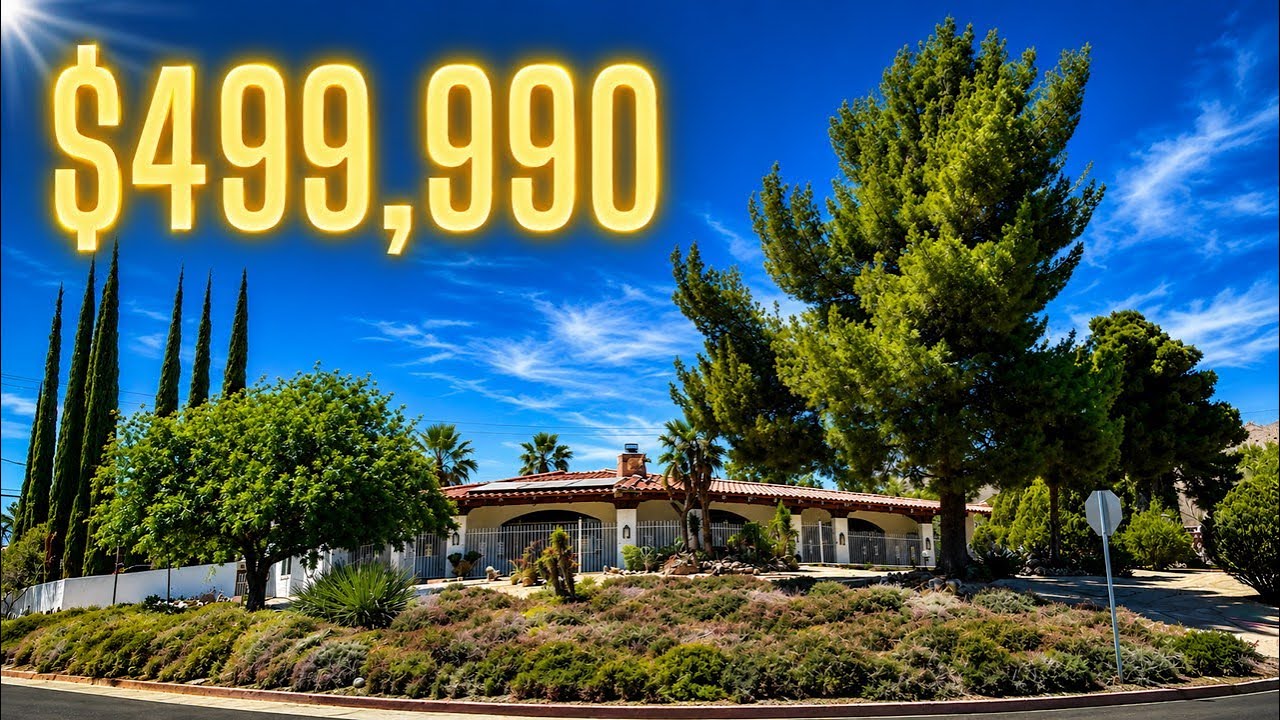
    At $499,990, this Yucca Valley property delivers 3 bedrooms, 3 bathrooms, just over 3,000 square feet of living space, a pool, and Spanish-style architecture with standout finishes — including a pass-through arched brick fireplace, marble tile floors, hammered sinks, and a step-down bathtub. Located on a cul-de-sac near Old Woman Springs Road, with Joshua Tree National Park minutes away and Palm Springs 20-30 minutes by highway, this is the kind of deal that’s harder to find as the High Desert market matures.

    By Rachael Smith | May 27, 2026

    The High Desert has been pulling buyers in for years — and properties like this one show exactly why.

    This is a 3-bedroom, 3-bathroom home in Yucca Valley, just over 3,000 square feet, listed at $499,990. It has a pool. It has character. And it has the kind of finishes that don’t show up at this price point very often.

    I walked through every room in this video — here’s what I found.

    The Location: What You’re Actually Buying Into

    This property sits on a cul-de-sac near Old Woman Springs Road in Yucca Valley. That matters.

    Cul-de-sac lots are quieter, have less traffic, and tend to attract buyers who are more settled — you get neighbors who chose the same thing you did. The surrounding homes are well-kept, with new construction going in nearby. That’s a signal.

    Joshua Tree National Park is just minutes away. Palm Springs and Morongo are 20-30 minutes by highway. If you’re thinking about this as a weekend escape or a short-term rental, the location is doing real work for you — proximity to the Park is one of the main reasons visitors choose the area.

    For buyers looking at what the upper end of the Joshua Tree market looks like, comparing these two listings gives you a clear picture of how much the price gap has grown in this corridor.

    The Home: Room by Room

    Let’s get into the details — because this is where the value becomes obvious.

    Curb appeal and exterior. Long concrete driveway, in great shape. Two-car garage. Spanish tile roof — the kind of design choice that ages well and doesn’t date itself the way trends do. Fully irrigated grounds with mature trees. You pull up to this and it looks like something.

    The fireplace. This is the centerpiece of the main living area and it deserves its own paragraph. It’s a pass-through arched brick fireplace — meaning you can see the flame from both sides of the room. The elongated brick, the archway, the heat venting from the base — it gives the whole space a Spanish hacienda feel that’s hard to replicate with renovation. Watch Rachael break down the fireplace at 5:00.

    The doors. The arched Spanish-style interior doors are the kind of thing you notice immediately when you walk in. They reinforce the architecture throughout the home — this isn’t cosmetic, it’s structural character that runs from the roofline to the interior finishes.

    The kitchen. Counter space, hammered scalloped sinks — the details in here are genuinely elevated for a home at this price. These aren’t builder-grade finishes.

    The floors. Marble tile throughout, with a distinctive walking-path pattern in the main areas — pink, red, white, and black marble laid in a way that creates visual flow through the home. That’s not a flip choice. Someone put real thought into this.


    Want to see more High Desert and mountain real estate like this? Rachael tours properties across Yucca Valley, Joshua Tree, and Big Bear Lake every week on her YouTube channel. Subscribe here so you never miss a new listing walkthrough.


    The primary bathroom. This is where it gets interesting. Hammered scalloped sinks. A step-down marble bathtub and shower combination — you actually descend into it, like a soaking pool. Industrial-textured walls that feel intentional rather than unfinished. A bidet. At $499,990 in the High Desert, this level of primary bathroom finish is not the standard. See the primary bath walkthrough at 10:02.

    The pool. Yes, there’s a pool. In the desert. That’s not an afterthought — it’s a core amenity that changes the use case entirely for short-term rental operators or anyone who wants to actually use their backyard in a climate that gets hot.

    Who This Home Is For

    Three types of buyers are going to look at this property seriously:

    • Full-time buyers who want space, character, and desert lifestyle without paying coastal prices. 3,000+ sq ft with a pool and this level of finish for under $500K is a genuine proposition.
    • Weekend escape buyers who want proximity to Joshua Tree National Park without the premium of being inside the park corridor at peak prices.
    • Short-term rental investors who understand that the High Desert STR market rewards properties with character — and this one has it. Spanish architecture, pool, proximity to the Park: the things guests actually search for.

    If you’ve been watching the mountain and desert market conditions in California, you know inventory at this quality level doesn’t sit for long when priced right.

    The Bottom Line on This Yucca Valley Property

    $499,990 for just over 3,000 square feet, a pool, Spanish character throughout, and a location that works for full-time living, weekend use, or short-term rental — that’s a real value proposition in the current High Desert market.

    The finishes — the pass-through fireplace, marble floors, step-down bathtub, hammered sinks — aren’t typical at this price point. This is a home someone built with intention, and it shows.

    If you’re considering a move to Yucca Valley, Joshua Tree, or anywhere in the High Desert, I do tours like this regularly and I’m happy to answer questions about the market. You can reach me directly at 909-744-2190 or rachaelsmithrealestate@gmail.com.

    And if you want to keep watching properties like this one, I walk through homes across Big Bear Lake, Yucca Valley, and the surrounding mountain and desert communities every week. Subscribe to the channel here — new walkthroughs drop regularly and you’ll always see what’s on the market before it’s gone.


    About Rachael Smith
    Rachael Smith is a top-producing real estate agent with RE/MAX Big Bear, specializing in mountain homes, short-term rental investments, and luxury properties in Big Bear Lake and surrounding areas. With over a decade of experience and hundreds of homes sold, she helps buyers, sellers, and investors make smart, strategic real estate decisions. Through her strong online presence and data-driven approach, Rachael connects clients with opportunities both on and off the market.

  • Unpermitted Additions in Big Bear: What Every Buyer Must Know

    Unpermitted Additions in Big Bear: What Every Buyer Must Know

    What Are Unpermitted Additions and Why Do They Matter in Big Bear?

    Unpermitted additions are any construction completed without required building permits — or work that was permitted but never passed final inspection. In Big Bear, where cabins have been informally expanded for generations and STR income is a core part of the investment calculus, an unpermitted room doesn’t just create a legal headache. It can void your short-term rental license, derail your financing, and cost you tens of thousands of dollars you never planned to spend.

    Most buyers don’t know to look for them. Most agents don’t flag them. And some sellers genuinely don’t know they have one. That combination is how buyers end up in expensive surprises right before closing — or worse, after.

    By Rachael Smith | May 28, 2026

    I’ve been selling real estate in Big Bear for over a decade — residential, vacation rental, investment properties. I see this issue surface in inspections, title reports, and appraisals. Sometimes it comes up right before closing, when nobody wants to deal with it. Let’s deal with it now, before it costs you.

    Why Unpermitted Additions Are So Common in Big Bear

    Permits exist for a reason: they require licensed review of plans, inspections during construction, and a final sign-off confirming the work meets code. Structural, electrical, plumbing, fire safety — all of it. Skip that process, and no one has verified the work is actually safe. That’s the core issue.

    There are a few common paths to unpermitted work in mountain resort markets like ours:

    • Cost avoidance. Permits run a few hundred to several thousand dollars depending on scope. Some contractors push owners to skip them to keep budgets down.
    • DIY work that crossed a line. Someone starts with flooring, keeps going, and suddenly there’s framing and electrical that was never inspected.
    • The older cabin problem. This one is extremely common in Big Bear specifically. Cabins and vacation properties have been getting informally expanded for generations — an addition done decades ago, never recorded, changed hands multiple times, and nobody caught it. Watch Rachael explain this at 3:08.
    • Deliberate concealment. A seller who knows and hides it. That crosses into disclosure violation territory and creates legal exposure for the seller — but you still need to catch it.

    The truth is, the unpermitted work doesn’t automatically mean dangerous. Sometimes a previous owner converted a garage or added a bathroom and did it well — just without the paperwork. But “done well” and “legally recognized” are two very different things, and the gap between them has real financial consequences.


    Want more Big Bear real estate insights like this? Rachael breaks down investment risks, market data, and buying and selling strategy every week on her YouTube channel. Subscribe here so you catch every update before you’re under contract.


    How Unpermitted Additions Surface During a Transaction

    The title report is your first line of defense. It searches for anything affecting legal ownership and use of the property — and additions often show up as a discrepancy between county assessor records and the listed square footage. If the assessor shows 1,400 square feet and the listing says 1,850, that gap needs an explanation. Watch Rachael walk through how to spot this at 3:44.

    Sometimes you’ll find an open permit — work that was pulled and started but never received final inspection. That’s unresolved county business attached to the title. It follows the property until someone closes it out. If you don’t catch it, that someone is you.

    Appraisers may exclude unpermitted square footage from gross living area entirely. If that exclusion pushes the appraised value below your contract price, you’ve got a financing problem. Some lenders will require the seller to either permit the addition or remove it before they’ll fund the loan. That can kill a deal at the finish line.

    If you’re evaluating a property alongside broader market conditions, it’s worth reading through the current Big Bear market analysis — understanding where pricing pressure is coming from helps you negotiate the right discount when you find an issue like this.

    The STR Problem Most Buyers Miss

    A significant percentage of Big Bear buyers are purchasing for short-term rental income — Airbnb, VRBO. When a home has an unpermitted bedroom, a converted loft, or bonus rooms, buyers almost always assume that space counts toward their rental capacity.

    It doesn’t.

    San Bernardino County issues STR licenses based on legal bedroom count. Legal bedrooms appear on permitted plans and meet habitability requirements: minimum square footage, egress windows, ceiling height, ventilation. Any unpermitted room does not count. If your permit is for three bedrooms and you’re advertising a four-bedroom rental, you’re out of compliance with the county — and exposed with your insurance carrier.

    Many agents — and I say this with respect, but honestly — don’t know this. They include the unpermitted room in the bedroom count. The buyer builds a rental projection based on that count. The numbers work beautifully. Then reality lands.

    If you’re running STR projections on a Big Bear property, make sure your bedroom count is based on the permit, not the listing. For a deeper look at how STR income actually pencils out in this market, see how much you can actually make renting a Big Bear cabin on Airbnb.

    What to Do When You Find an Unpermitted Addition

    You have four realistic options. Rachael walks through all of them starting at 4:43:

    1. Require the seller to permit it before closing. The cleanest outcome. It takes time, may require opening walls, and can force the seller to bring the work up to current code at their expense. Not every seller will agree.
    2. Negotiate a price reduction. You’re accepting the liability, but not at full price. Get a contractor estimate before you negotiate so your number reflects the actual cost to permit or remove — not a guess.
    3. Walk away. Sometimes the right call, especially if the unpermitted work is structural or electrical and raises real safety questions.
    4. Buy it as-is, with eyes open. Know what you’re taking on — the cost, the timeline, the insurance and STR implications — before you close.

    If you already own a property with unpermitted work, the path forward usually comes down to: permit it (retroactive permitting is possible in many cases), exclude that space from your rental listing and maintain compliance on the permitted portion, or demo it. That last option sounds painful, but an unpermitted room that creates STR liability costs more in the long run than the demo does.

    Your Due Diligence Checklist

    My honest advice for any investor shopping in Big Bear: make unpermitted space a central question in due diligence, not an afterthought.

    • Pull county assessor records and compare them to the listing square footage
    • Request the full permit history from San Bernardino County
    • Make sure your inspector is specifically flagging unpermitted work — not just physical defects
    • If you find it, price the deal accordingly — that room should cost the seller, not you

    Whether you’re buying a primary home, a second home, or a pure investment property in Big Bear, this is exactly the kind of issue that separates a smart deal from an expensive mistake. The buyers who get burned aren’t careless — they just didn’t know the right questions to ask before they were in contract.

    Now you do.

    If you’re looking at properties in Big Bear and want a second set of eyes on the numbers, reach out. This is exactly what I do.

    Rachael Smith-Meadors
    RE/MAX Big Bear
    DRE# 01923537
    909-744-2190
    rachaelsmithrealestate@gmail.com

    Subscribe to Rachael’s YouTube channel for weekly Big Bear market updates, property tours, and investment strategy — straight from someone who works this market every day.


    About Rachael Smith
    Rachael Smith is a top-producing real estate agent with RE/MAX Big Bear, specializing in mountain homes, short-term rental investments, and luxury properties in Big Bear Lake and surrounding areas. With over a decade of experience and hundreds of homes sold, she helps buyers, sellers, and investors make smart, strategic real estate decisions. Through her strong online presence and data-driven approach, Rachael connects clients with opportunities both on and off the market.

  • IS THE BIG BEAR LAKE HOUSING MARKET CRASHING? HERE’S WHAT’S REALLY HAPPENING

    IS THE BIG BEAR LAKE HOUSING MARKET CRASHING? HERE’S WHAT’S REALLY HAPPENING

    Is the Big Bear Lake Housing Market Crashing? Here’s What’s Really Happening

    IS THE BIG BEAR LAKE HOUSING MARKET CRASHING? HERE’S WHAT’S REALLY HAPPENING

    Lately, a question has been appearing more often in conversations and online searches: “Is the Big Bear Lake housing market crashing?”

    It’s a fair question. Whenever real estate markets shift, people notice the changes. Homes may sit on the market longer, buyers begin negotiating more, and headlines sometimes make the situation sound more dramatic than it actually is.

    But when we look closely at the numbers and what’s really happening locally, the story is far more balanced than the word “crash” suggests.

    Why Big Bear Lake Still Attracts Buyers

    One of the biggest reasons the market remains active is the unique lifestyle Big Bear offers.

    Located in the San Bernardino Mountains, Big Bear combines scenic beauty, outdoor recreation, and resort-style living—all within driving distance of major Southern California cities like Los Angeles, Orange County, and San Diego.

    That accessibility continues to keep Big Bear on the radar for buyers looking for:

    • Vacation homes

    • Short-term rental investment properties

    • Full-time mountain residences

    Demand comes from all three of these groups, which helps keep the local real estate market moving.

    Tourism Still Drives Demand

    Another major factor supporting the market is tourism.

    While many people associate Big Bear with winter skiing, the town has evolved into a year-round destination. Visitors come for boating, hiking, mountain biking, festivals, and seasonal events.

    Because of that consistent tourism, short-term rental properties remain attractive to investors looking for income-generating homes.

    Pricing Matters More Than Ever

    One of the biggest factors influencing whether homes sell right now is pricing strategy.

    Homes that enter the market priced correctly are still attracting buyers.

    The listings that tend to sit are usually those priced above what the market currently supports.

    This is a common pattern when markets shift—buyers become more selective, and sellers must adapt to current conditions.

    The Bottom Line

    The Big Bear market isn’t crashing—it’s evolving.

    After several years of strong growth, inventory, pricing strategies, and buyer expectations are adjusting. Homes that are priced well and presented properly are still selling, while others may take longer.

    For buyers, sellers, and investors, Big Bear Lake remains a unique real estate market where mountain lifestyle, tourism, and investment opportunity continue to meet.

  • How Much Can You Actually Make Renting a Big Bear Lake Cabin on Airbnb?

    How Much Can You Actually Make Renting a Big Bear Lake Cabin on Airbnb?

    How Much Can You Actually Make Renting a Big Bear Lake Cabin on Airbnb?

    How much can you make renting a Big Bear Lake cabin on Airbnb?

    The median Big Bear Lake Airbnb generated $38,000–$46,000 in gross annual revenue in 2025–2026, according to multiple STR analytics platforms. After property management fees (25–35%), property taxes (~1.3% of purchase price), STR insurance, permits, maintenance, and utilities, a typical 3-bedroom cabin purchased at $650,000–$700,000 may net $5,000–$15,000 per year before debt service. Whether the numbers work depends on bedroom count, amenities, location within Big Bear, and your management approach. A hot tub, four or more bedrooms, and a strong management company are the most reliable ways to improve the return.

    How Much Can You Actually Make Renting a Big Bear Lake Cabin on Airbnb?

    Mountain cabins in the San Bernardino range drive Big Bear Lake’s year-round Airbnb demand — ski season in winter, lake and trails in summer. Photo: Unsplash

    The number you’ll hear most often is “$38,000 to $46,000 a year.”

    That’s the gross revenue figure multiple STR data platforms are reporting for the average Big Bear Lake short-term rental in 2025–2026. And yes, there are cabins doing significantly more — a four-bedroom with a hot tub, strong photos, and a good management company can hit $54,000 or higher. A six-bedroom group retreat can push past $120,000.

    But if you’re buying a cabin specifically to rent it on Airbnb, gross revenue is only the first number that matters. The real question is what you actually keep after expenses.

    Let me walk you through the math the way I walk through it with every investor client who calls me.

    What the Revenue Data Actually Shows

    The two most widely cited STR analytics platforms — AirROI and Airbtics — both track Big Bear Lake listings, and their 2025–2026 data tells a consistent story. With roughly 2,474–2,834 active short-term rental listings in the market, Big Bear runs at an average occupancy of 27%–38% depending on the dataset. That translates to nightly rates ranging from $319 to $454, with the wide range explained almost entirely by property size.

    Here’s a more useful breakdown by bedroom count:

    • 1 bedroom: ~$12,000–$15,000/year gross
    • 3 bedrooms: ~$35,000–$40,000/year gross
    • 4 bedrooms: ~$54,000/year gross
    • 6+ bedrooms: ~$120,000/year gross

    Seasonality is real and dramatic. December is the peak month, with average monthly revenue around $5,000 per listing — ski season drives that. January runs close behind at $4,200. Summer delivers a strong secondary peak in July and August at roughly $3,200–$3,300 per month. Spring and fall are softer; expect occupancy in the 15%–25% range during those months.

    Cozy cabin living room interior — wood furnishings and warm lighting reflect the amenity quality that drives Big Bear Lake Airbnb nightly rates

    Interior quality, hot tubs, and thoughtful amenities are the primary drivers of above-market nightly rates in Big Bear Lake STR listings. Photo: Unsplash

    The amenity effect is significant. A hot tub alone can add 15–25% to your nightly rate and occupancy in a market where guests actively filter for that feature. A game room, direct lake access, or proximity to Bear Mountain or Snow Summit moves the needle too. Don’t buy a cabin and add a hot tub as an afterthought — look for it in the listing or budget for installation before you close.

    The Real Expense Stack

    Here’s where a lot of buyers get surprised. The gross revenue figure on every data platform is before expenses — and the expenses in Big Bear are specific and meaningful.

    Property management. If you’re not local and can’t manage the property yourself, you’re looking at a professional management company. In Big Bear, full-service management costs 25–35% of gross rental revenue. On a cabin generating $40,000/year, that’s $10,000–$14,000 off the top before you touch any other cost. The top management companies here — Destination Big Bear, Big Bear Cool Cabins, Big Bear Vacations — run tight operations and generally protect occupancy, so it’s not a bad trade, but it’s a real one.

    Property taxes. California’s Prop 13 sets your base rate at 1% of purchase price, plus local assessments. Your effective rate in Big Bear typically lands around 1.3%–1.4% of what you paid. On a $700,000 cabin, that’s $9,100–$9,800 per year, due every year regardless of how many nights you book.

    The STR permit. The City of Big Bear Lake (92315) charges $550/year for your vacation rental permit under Ord. 2023-518. The county (92314) charges $667 for the STRRP. This isn’t a major expense line, but the permit is mandatory before your first booking — and you need to confirm permit availability before you make an offer on a 92315 property — here’s what investors need to know about the current STR licensing process.

    Transient Occupancy Tax (TOT). Good news: guests pay this, not you out of pocket. The City of Big Bear Lake charges 10% TOT plus a 3% Big Bear Lake Tourism Business Improvement District (BBLTBID) assessment — 13% total — collected at booking and remitted monthly by you or your management company. It’s a bookkeeping obligation, not a profit reduction, as long as your platform collects it correctly and you remit on time.

    Insurance. A standard homeowners policy does not cover STR activity. You need either an STR-specific policy or a commercial landlord rider. Budget $2,500–$5,000/year for a properly covered mountain cabin. Fire risk in the San Bernardino Mountains means carriers price this carefully — some properties require FAIR Plan involvement, which adds complexity and cost at renewal time.

    Hot tub and maintenance. If your cabin has a hot tub (and it should), budget $100–$150/month for weekly service, plus around $80 for occasional dump-and-fill refills. Snow removal runs $30–$175 per plow depending on storm size and driveway length. Deep cleaning is required two to four times per year at $150–$500 per session. Light bulbs, appliances, linens, and furniture add up faster in a rental than in a personal home.

    Utilities. Electric, gas, water, and internet — the basics guests expect. Mountain cabins run $200–$400/month in utilities during peak winter months. Plan for $3,000–$5,000/year in utility costs, even accounting for guest-facing fees at checkout.

    Running the Numbers on a Real Scenario

    Let me put this together with a concrete example.

    Say you buy a 3-bedroom cabin in Sugarloaf or Fox Farm at $650,000 — a realistic entry point for a STR-capable property in the county (92314). Based on current market data, you can reasonably project $35,000–$40,000 in gross annual revenue with a competent management company.

    Expense Annual Estimate
    Property management (30% of $38K gross) $11,400
    Property taxes (1.35% of $650K) $8,775
    STR insurance $3,000–$5,000
    STR permit (county STRRP) $667
    Maintenance & repairs (1.5% of value) $9,750
    Utilities $3,600–$4,800
    Hot tub service & snow removal $2,000–$3,000
    Total Estimated Expenses $39,192–$43,392

    On $38,000 in gross revenue, you’re close to breakeven before mortgage payments. On $40,000+, you’re generating a small cushion. This is exactly why property selection is so critical — the incremental bedroom and the amenity package often determine whether the investment pencils out at all.

    A 4-bedroom property at $750,000 generating $54,000/year gross is a fundamentally different investment than a 3-bedroom at $650,000 generating $38,000 — even though the purchase price is only 15% higher. The math on the 4-bedroom works more cleanly because the revenue jump from that extra bedroom outpaces the cost increase.

    What the Market Investability Data Tells You

    Airbtics gives Big Bear Lake a D+ market investability grade — placing it in the lowest 4% nationally for short-term rental yield. A separate analytics platform tracks a similar story: a 33/100 investment score driven by the gap between acquisition costs and market-wide revenue levels.

    That’s not a reason to avoid Big Bear. But it is a reason to be precise about which property you buy and how you structure the hold.

    The investors who do well here go in with clear expectations: the STR income is best understood as a partial offset to carrying costs, not a standalone income stream. Property appreciation, personal use, and the lifestyle component of owning a Big Bear cabin are real parts of the investment case — they just don’t show up in a cash-on-cash yield calculation.

    If you’re financing this as a second home vs. an investment property, the loan classification changes your mortgage rate and down payment requirement — which directly affects your monthly carrying cost and whether the net income math holds. That distinction matters before you start running projections.

    And if you eventually sell, know that capital gains tax on a Big Bear vacation home or STR is more complex than on a primary residence — the Section 121 exclusion doesn’t apply, and California taxes gains as ordinary income.

    What Makes a Big Bear STR Actually Work

    In my experience with STR investors in this market, the properties that consistently perform share a few traits:

    • Hot tub is non-negotiable. It adds 15–25% to nightly rates and is the first filter guests apply when searching. It’s the single highest-impact amenity in this market.
    • Four or more bedrooms outperform on a per-dollar basis. Group bookings drive winter weekends, and the ADR premium for a 4-bedroom doesn’t just scale linearly from a 3-bedroom — it jumps. The revenue differential often justifies the price premium.
    • Location within Big Bear matters. Fox Farm and Sugarloaf (92314) often have lower entry prices than 92315 city properties, but confirm STR permit availability under the county’s STRRP program before you buy either.
    • Professional management from day one. Self-managing a cabin you don’t live near is a full-time job. The 30% management fee is real, but so is the occupancy rate difference a top company delivers — especially in shoulder seasons when listings compete hard for bookings.
    • Buy to hold, not just for cash flow. Big Bear has appreciated meaningfully over the past decade. The STR income is best modeled as carrying-cost offset, with appreciation and lifestyle use as the core thesis over a 5–7 year horizon.

    The investors I’ve seen struggle are usually chasing the gross revenue number without building the full expense model first. Build the model, then find the property that fits it — not the other way around.

    Big Bear Lake mountain scenery — San Bernardino County California mountain resort community

    Big Bear Lake’s mountain setting — 7,000 feet elevation, year-round recreation, and proximity to Los Angeles — is what keeps both guests and investors coming back. Photo: Unsplash

    Frequently Asked Questions
    How much does the average Big Bear Lake Airbnb make per year?
    According to 2025–2026 data from multiple STR analytics platforms, the median Big Bear Lake Airbnb generates $38,000–$46,000 in gross annual revenue. Actual income varies significantly by bedroom count, amenities, location, and management quality. Four-bedroom properties average around $54,000/year gross, while studios average roughly $12,000–$15,000.

    What are the biggest expenses for a Big Bear Lake vacation rental?
    The three largest ongoing costs are property management (25–35% of gross revenue), property taxes (~1.3% of purchase price annually), and STR insurance ($2,500–$5,000/year in the San Bernardino Mountains). Maintenance, utilities, hot tub service, snow removal, and the annual permit fee add meaningfully to the operating cost stack.

    Do I need a permit to rent my Big Bear Lake cabin on Airbnb?
    Yes. The City of Big Bear Lake (92315) requires a vacation rental permit under Ord. 2023-518, with a limit of two permits per owner. San Bernardino County (92314) has a separate Short-Term Residential Rental Program (STRRP). Both require inspections before you can list. Permit fees run $550 (city) and $667 (county). Always verify current requirements directly with the City or County before purchasing.

    Is Big Bear Lake a good STR investment in 2026?
    Big Bear Lake is a competitive STR market with 2,400+ active listings and limited cash-flow upside at current price levels. Independent STR analytics platforms rate its yield potential in the bottom 4% nationally for pure cash-on-cash return. It remains a compelling hold for investors who value property appreciation, personal lifestyle use, and income that partially offsets ownership costs — but property selection (bedroom count, amenities, neighborhood) is the decisive variable.

    Does Transient Occupancy Tax reduce my rental income in Big Bear Lake?
    The City of Big Bear Lake charges a 10% Transient Occupancy Tax plus a 3% BBLTBID assessment (13% total), collected from guests at booking and remitted monthly by the owner or management company. Because guests pay it at reservation, TOT typically does not reduce your gross rental revenue — but timely monthly remittance is required, and failure to comply carries penalties.

    Running these numbers carefully before you buy is the step most investors skip. They see the gross revenue figure, do rough mortgage math, and move forward — and then the expense reality arrives six months in.

    The right approach is to build the model from the top down: gross revenue projection by bedroom count and amenities, subtract management fees, property taxes, insurance, maintenance, and debt service. What’s left is your real return. That process starts with the right property — and knowing which ones in Big Bear actually support the numbers.

    Want to underwrite a specific Big Bear property before you commit?

    I walk STR investors through this analysis before we make any offer.

    Call or text 909.744.2190  |  buyinbigbearlake.com

    About Rachael Smith-Meadors
    Rachael Smith-Meadors is a Broker Associate with RE/MAX Big Bear, serving buyers, sellers, and STR investors across Big Bear Lake and the surrounding mountain communities. With 10+ years in the business and a YouTube channel followed by 160,000+ people researching the market, she helps clients understand what’s actually happening in Big Bear before they buy, sell, or list. Connect with her at buyinbigbearlake.com or call/text 909.744.2190.

    This post is for informational purposes only and does not constitute financial, tax, or investment advice. STR revenue and expense figures are market-level estimates based on third-party data platforms (Airbtics, AirROI, Destination Big Bear) and may not reflect the performance of any specific property. Permit rules, TOT rates, and ordinance details are subject to change — verify current requirements directly with the City of Big Bear Lake or San Bernardino County before purchasing. Rachael Smith-Meadors, DRE #01923537, is a licensed California Real Estate Broker Associate. No guarantee of income or investment return is expressed or implied.

  • What .3 Million Buys You in Joshua Tree (Full Home Tour)

    What $1.3 Million Buys You in Joshua Tree (Full Home Tour)

    What Does $1.3 Million Buy You in Joshua Tree?

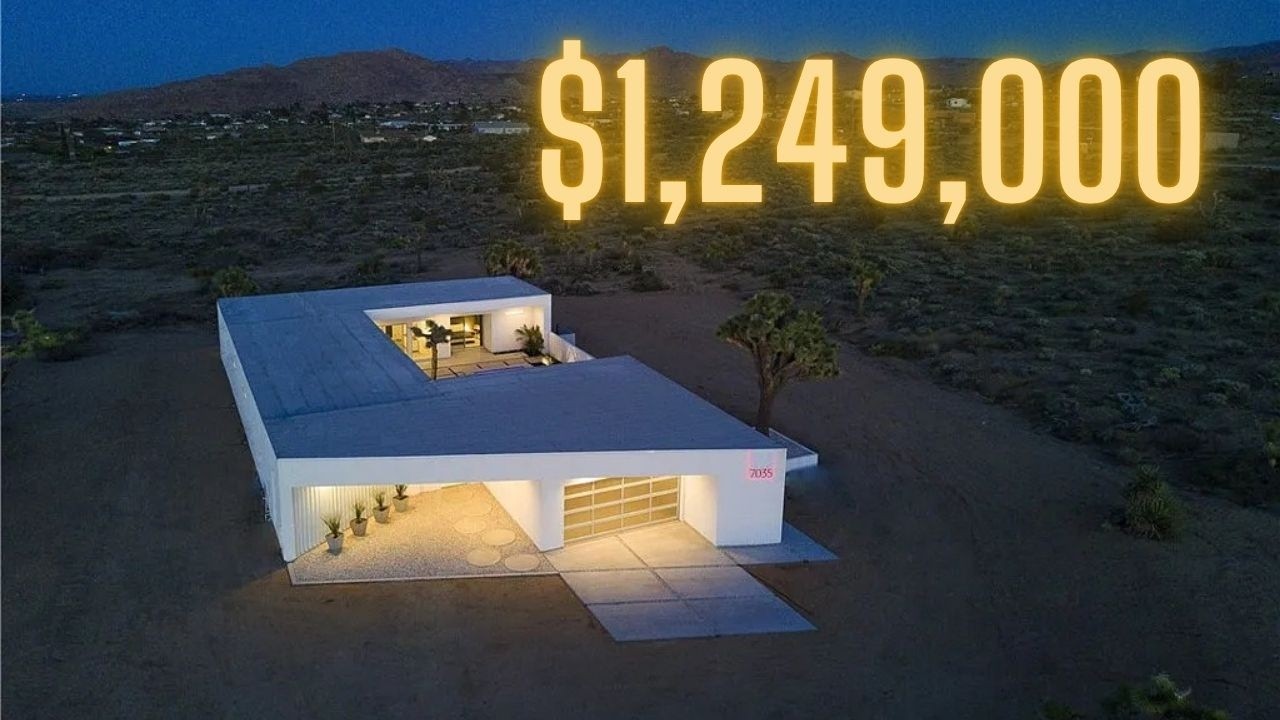
    If you’re buying near Joshua Tree National Park in 2026, $1,249,000 gets you a 2019-built home on a full acre of desert land with unobstructed mountain views, a pool, and a proven short-term rental track record. This Yucca Valley property at 7035 Sunny Vista checks every box for buyers who want to live the desert lifestyle, investors looking for Airbnb income, or anyone wanting a well-appointed second home with real upside.

    By Rachael Smith | May 26, 2026

    The Joshua Tree and Yucca Valley market doesn’t get talked about enough — and that’s part of the opportunity. The buyers and investors I work with who are expanding beyond Big Bear into the High Desert are finding a different kind of value here: newer construction, dramatic land, and a rental market that remains strong because the draw to Joshua Tree National Park isn’t seasonal the same way mountain markets are.

    This home is a good example of what that looks like at the upper end of the market. Let me walk you through what stood out on the tour.

    The Property: Location, Land, and Privacy

    7035 Sunny Vista sits at a sweet spot in Yucca Valley — partway toward the Aloma road that feeds into the park entrance, close enough to the highway for easy access but tucked into the terrain in a way that gives you real privacy. You don’t see it from the road. That’s intentional, and it works.

    The lot is 1.01 acres. In a market where land this close to the park is increasingly hard to find at any price, that’s a meaningful asset on its own. Watch Rachael walk the exterior at 0:45 — the 360-degree desert views, including mountains stretching all the way to Big Bear on a clear day, make the setting immediately obvious.

    Built in 2019, it shows. There’s no deferred maintenance here, no 1970s infrastructure to worry about, no cosmetic flip that’s hiding a dated bones problem. When a short-term rental operator buys a property like this, that matters — you’re not inheriting someone else’s repair list.

    Inside: Design That Works for Rentals and Full-Time Living

    The interior leans into the desert aesthetic in a way that feels deliberate rather than trendy. Quartz countertops with a dark vein run through both the kitchen and primary bath, creating consistency that photographs extremely well — and in the short-term rental world, how a property photographs determines bookings as much as anything else.

    The kitchen is open, with a butcher block dining area attached and a smart appliance setup that includes a built-in screen panel where most kitchens have a standard range hood. Lighting throughout is updated and layered well. See the kitchen walkthrough at 3:00 — the flow from the kitchen into the living room and out through the sliders is exactly what you want for a rental that sleeps multiple guests.

    Those sliders are worth calling out specifically. Multiple access points to the outdoor areas run throughout the house — living room, primary bedroom, and a covered outdoor space off the main bedroom that functions as an all-weather retreat. If it’s raining, you can still sit outside. In the desert, where the temperature swings are real but the rain is rare, that covered transition space gets used constantly.

    Ceilings run at 9 feet. The primary bedroom integrates the end tables into the design so they feel built-in rather than placed. The primary bath opens directly into the bedroom in that open-concept way that resort properties have been doing for years — no wall partition between the sleeping space and the vanity, but the toilet is fully enclosed for obvious reasons.


    Want more desert and mountain real estate tours like this? Rachael covers Big Bear, Joshua Tree, Yucca Valley, and the surrounding communities every week on her YouTube channel — home tours, market updates, and investment insights. Subscribe here so you don’t miss the next one.


    The STR Case: Why Investors Are Looking at This Property

    The listing comes with rental history already in place — which is significant. Underwriting a short-term rental investment is always easier when you’re working from actual performance data rather than projections. This property isn’t a speculation play. It’s a documented Airbnb asset in one of Southern California’s most consistent short-term rental markets.

    Yucca Valley and Joshua Tree draw visitors year-round from the LA basin, the Inland Empire, and increasingly from out-of-state travelers who’ve discovered the High Desert aesthetic. Unlike mountain markets that soften in shoulder seasons, desert markets often hold up across spring and fall in ways that are meaningfully different. The outdoor spaces here — specifically the pool — extend usable season even further.

    Watch Rachael walk through the outdoor and pool area at 16:00 to see what the listing actually offers in terms of outdoor living. The pool has recently been serviced and is in excellent condition.

    At $1,249,000, this is a premium purchase for the Yucca Valley market — and the pricing reflects that. You’re paying for the build quality, the land, the rental track record, and the views. Whether the numbers work for your specific investment criteria depends on your financing structure and expected nightly rates, but the underlying asset is strong. If you want help running those numbers for your situation, that’s exactly the kind of conversation I have with clients before they make an offer.

    Who This Home Is For

    This property works across three different buyer profiles:

    • Primary buyers who want a genuinely move-in-ready desert home with no compromises on finishes, land, or location
    • Second-home buyers who want a High Desert escape they can use personally and rent when they’re not there
    • Investors who want an established short-term rental with documented history and a low-maintenance building

    The flexibility is real. A property that clears the bar for all three uses doesn’t come up that often — and when it does, it moves.

    If you’re thinking about buying in Yucca Valley, Joshua Tree, or Big Bear and want to talk through what’s available in your price range and investment goals, reach out. I work both markets and can help you compare what each one offers at different price points. You can also subscribe to my YouTube channel for ongoing home tours, market updates, and short-term rental deep dives across the Southern California mountain and desert communities.

    This one won’t sit long. If you want to see it in person, let’s set that up.


    About Rachael Smith
    Rachael Smith is a top-producing real estate agent with RE/MAX Big Bear, specializing in mountain homes, short-term rental investments, and luxury properties in Big Bear Lake and surrounding areas. With over a decade of experience and hundreds of homes sold, she helps buyers, sellers, and investors make smart, strategic real estate decisions. Through her strong online presence and data-driven approach, Rachael connects clients with opportunities both on and off the market. She also covers the Yucca Valley and Joshua Tree market for clients expanding into the High Desert.

  • JUST LISTED – 809 C LN, BIG BEAR CITY, CA 92314 – 9,900

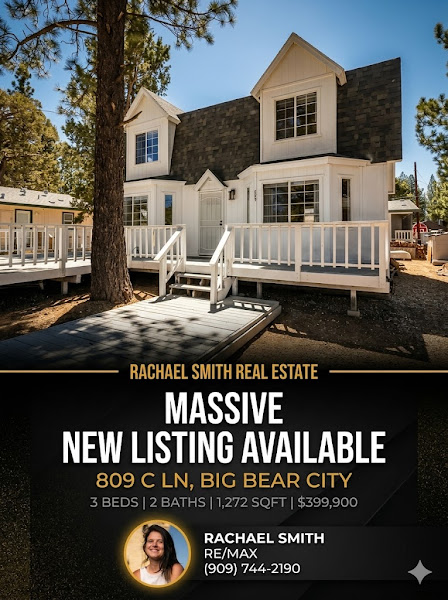
    JUST LISTED – 809 C LN, BIG BEAR CITY, CA 92314 – $399,900

    Just Added to the Market⁠


    Remax⁠
    01923537

  • JUST SOLD – 1332 SISKIYOU DR, BIG BEAR LAKE, CA 92315 – 2,500

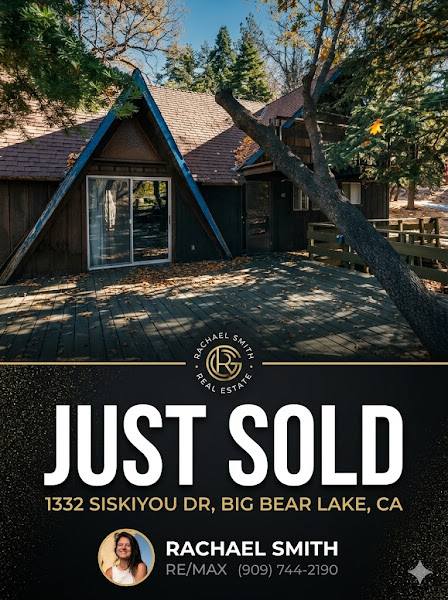
    JUST SOLD – 1332 SISKIYOU DR, BIG BEAR LAKE, CA 92315 – $452,500

    Officially Off The Market⁠


    Remax⁠
    01923537

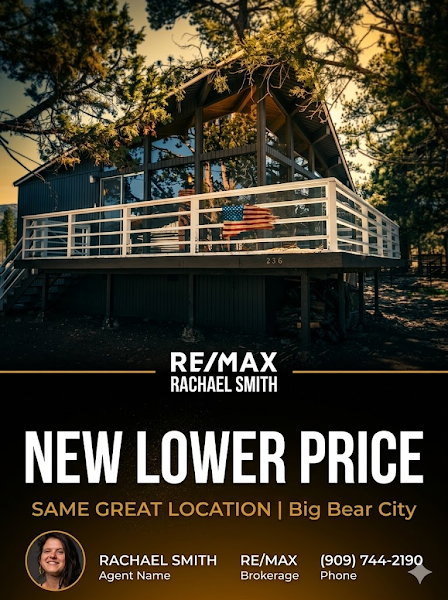
  • JUST REDUCED – 236 ZACA RD, BIG BEAR CITY, CA 92314 – 9,900

    JUST REDUCED – 236 ZACA RD, BIG BEAR CITY, CA 92314 – $319,900

    Now Priced To Move⁠


    Remax⁠
    01923537

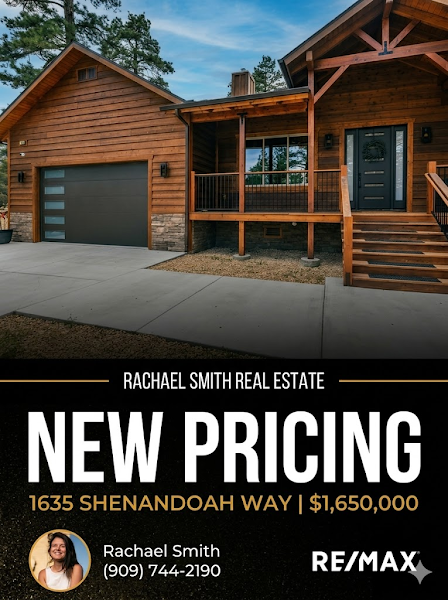
  • JUST REDUCED – 1635 SHENANDOAH WAY, BIG BEAR CITY, CA 92314 – ,650,000

    JUST REDUCED – 1635 SHENANDOAH WAY, BIG BEAR CITY, CA 92314 – $1,650,000

    Pricing Just Refreshed⁠


    Remax⁠
    01923537