Category: Uncategorized

  • Questions to Ask a Big Bear Realtor Before You Hire

    Questions to Ask a Big Bear Realtor Before You Hire

    What’s the one question to ask a Big Bear realtor before you hire them?

    Ask any agent you’re interviewing: “Walk me through your specific strategy for my exact property.” A great agent answers with a real plan — a price backed by current comps, a marketing approach, and exactly how they’ll negotiate. A weak agent falls back on generic promises about working hard and providing great service. The specificity of that answer tells you almost everything you need to know, and most buyers and sellers never think to ask it.

    By Rachael Smith | June 5, 2026

    There’s one question almost nobody asks their Realtor — and in a market like Big Bear, skipping it can cost people thousands.

    Real estate up here isn’t about opening doors or sticking a sign in the yard anymore. It’s about strategy. So before you hire anyone to help you buy or sell in the mountains, here’s the question to lead with and exactly what to listen for in the answer.

    Why this one question works

    When you ask an agent to walk you through their strategy for your specific property, you force them off the script. Anyone can say they’re hardworking, honest, and “great with communication.” Those are table stakes, not a strategy.

    What you’re really testing is whether they think like a strategist or a sign-poster.

    A strong agent will immediately get specific. They’ll talk about what comparable homes near you have actually sold for, how they’d price to create momentum, where your buyer is most likely coming from, and how they plan to market to that exact person. If you’re buying, they’ll talk about how they’ll find the right home, read the seller’s motivation, and structure an offer that wins without overpaying.

    A weaker agent stays vague. They’ll reassure you instead of informing you. That gap — specific plan versus comfortable promises — is the whole ballgame.

    What separates an average agent from a great negotiator

    Most of what actually gets a home sold for top dollar happens behind the scenes, long before an offer comes in.

    Great negotiators don’t just react to offers — they set the stage. They price strategically so the home attracts attention in its first two weeks, when a fresh listing draws the most eyes. They prepare the property so it photographs and shows beautifully. They control the flow of information so buyers compete instead of picking the listing apart.

    When you interview an agent, listen for whether they talk about creating a strong position or just responding to whatever happens. The best agents are working the deal before it ever exists.


    Want to hear how a Big Bear agent actually thinks through pricing, marketing, and negotiation? Rachael shares the strategy behind real Big Bear sales every week on her YouTube channel. Subscribe here so you go into your next move knowing exactly what good looks like.


    Why local market knowledge matters more than ever

    Big Bear is not a one-size-fits-all market, and an agent who treats it like one will cost you.

    Pricing, buyer demand, and rental potential all look different across Moonridge, Boulder Bay, Fawnskin, Fox Farm, Big Bear Lake, and Big Bear City. A true local agent can tell you why a home three streets over sold for what it did, how access and elevation affect value, and what buyers in your specific pocket of the mountain actually care about.

    Even more important right now: short-term rental regulations. A huge share of Big Bear buyers are investors, and what they’ll pay is tied directly to what a property can legally earn. An agent who can’t speak fluently about local rental rules and how to document income isn’t equipped to price or market your home to the people most likely to buy it.

    Questions that reveal if an agent really knows Big Bear

    Once you’ve asked the big strategy question, follow up with a few that are hard to fake:

    • What have comparable homes in my neighborhood sold for in the last few months, and how long did they take?
    • How do current short-term rental rules affect what my home is worth to an investor?
    • Where do you expect my buyer to come from, and how will you reach them?
    • If we’re buying — how will you tell whether a listing is priced right or overpriced?
    • What would you change about my home before we list to get a stronger result?

    You’re not looking for perfect answers. You’re looking for specific ones, delivered with the confidence of someone who works this market every day.

    The red flags to watch for

    A few answers should make you pause:

    • They suggest a list price without showing you a single comparable sale.
    • Their “marketing plan” is putting it in the MLS and hoping.
    • They can’t speak clearly about local short-term rental regulations.
    • They push you to sign before they’ve looked closely at your property or your goals.
    • Every answer is about them — their awards, their brokerage — and not about your home.

    Hiring an agent is one of the biggest financial decisions in any move, and the interview is your leverage. Ask the strategy question, listen for specifics, and watch for the red flags. The right agent will welcome every one of these questions — because a real plan is exactly what they’re bringing to the table.

    If you’re thinking about making a move in Big Bear Lake, Big Bear City, Moonridge, Fox Farm, or anywhere in the mountain communities, knowing what to ask is how you make a smart decision before you sign anything. That’s the kind of behind-the-scenes strategy I break down on the channel every week. Subscribe to the channel here and you’ll always know the right questions to ask before you make your next move.

    About Rachael Smith
    Rachael Smith is a top-producing real estate agent with RE/MAX Big Bear, specializing in mountain homes, short-term rental investments, and luxury properties in Big Bear Lake and surrounding areas. With over a decade of experience and hundreds of homes sold, she helps buyers, sellers, and investors make smart, strategic real estate decisions. Through her strong online presence and data-driven approach, Rachael connects clients with opportunities both on and off the market.

  • JUST LISTED – 315 SAN BERNARDINO DR, SUGARLOAF, CA 92386 – 5,000

    JUST LISTED – 315 SAN BERNARDINO DR, SUGARLOAF, CA 92386 – $275,000

     Now at a Lower Price⁠

    Remax⁠

    01923537

  • How to Buy a Home in Big Bear Lake Before You Sell Your Current One

    How to Buy a Home in Big Bear Lake Before You Sell Your Current One

    Can you buy a home in Big Bear Lake before selling your current one?

    Yes. You have three main paths: a bridge loan that taps your current home’s equity (8.5%–11.5% interest, 6–12 month term, 20%+ equity required), a HELOC opened before you list (around 7% in 2026, but it must be in place before your home hits the market), or a home sale contingency written into your offer. In Big Bear Lake’s current buyer’s market — roughly 90 days on market and over 400 active listings — a contingent offer is far more workable here than in a hot metro, which gives local buyers options that California city buyers rarely get.

    By Rachael Smith-Meadors | June 4, 2026

    You found the cabin. It’s in Moonridge, it’s priced right, and it checks every box. There’s just one problem: most of your money is still tied up in the house you already own.

    This is one of the most common situations I walk buyers through in Big Bear Lake. You’re not a first-time buyer with a clean slate — you’re a move-up buyer, a second-home owner trading up, or a local making a change. You need the equity from your current home to buy the next one, but you don’t want to sell, move twice, and rent in between while you hunt.

    Here’s the good news, and it’s specific to our market: Big Bear right now is a buyer’s market. Homes are sitting around 90 days, and there are over 400 active listings competing for attention. That changes the math on buying before you sell in ways that matter. Let me show you the three real paths, what each one costs, and how to think about which fits your situation.

    Path 1: Bridge loan — fast money, higher cost

    A bridge loan is short-term financing that uses the equity in your current home as collateral. It “bridges” the gap between buying your new place and selling your old one. You get the cash to make a strong, non-contingent offer now, and you pay the bridge loan off when your current home sells.

    Here’s what a bridge loan looks like in California in 2026:

    • Interest rate: roughly 8.5%–11.5%, usually interest-only
    • Term: 6 to 12 months
    • Equity required: at least 20% in your current home (some lenders want 25%–30%)
    • Credit score: 680 minimum, 720+ preferred
    • Debt-to-income: generally 43% or below — and the lender counts both mortgage payments
    • Costs: origination fee of 1%–2%, plus closing costs of 1.5%–3% of the loan
    • Speed: funding in as little as 5–10 days

    The big advantage is the non-contingent offer. When you remove the “I have to sell my house first” condition, your offer gets stronger — sometimes nearly as strong as cash. That matters less in our slow market than it would in San Diego, but it still helps you negotiate.

    The trade-off is cost and risk. You’re carrying two mortgage payments plus the bridge loan until your current home sells. If your Big Bear home takes 90-plus days to sell — which is normal here right now — that’s three or four months of double or triple payments. Build that into your plan before you sign anything.

    Path 2: HELOC — cheaper, but timing is everything

    A home equity line of credit on your current home can do the same job as a bridge loan at a much lower rate. As of early 2026, HELOC rates have been running around 7%, compared to 9%–11% for a bridge loan. The equity and credit requirements are also more forgiving — often 15%–20% equity and credit scores starting around 620.

    So why doesn’t everyone use a HELOC? Timing.

    You have to open the HELOC before you list your current home. Once your home is on the market, most lenders will freeze or decline a new HELOC — they don’t want to extend a line of credit against a property that’s about to be sold. A HELOC can also take up to six weeks to fund, so this is a move you make weeks or months ahead, not the day you find your dream cabin.

    If you’re even thinking about buying before you sell, this is the single most important takeaway: set up the HELOC early. I tell clients to do it before we ever talk about a listing date. It costs you nothing to have the line available, and it preserves your cheapest option.

    Path 3: The home sale contingency — and why it actually works in Big Bear

    The third path doesn’t require any new financing. You write your offer with a Contingency for Sale of Buyer’s Property — in California this is often called a COP. It tells the seller: I’ll buy your home, but only after mine sells.

    In a hot market, sellers reject these offers fast. There’s too much uncertainty, and they’d rather take a clean offer. But Big Bear Lake is not a hot market right now. With homes averaging around 90 days on market and inventory stacked up, many sellers here are genuinely motivated — and a contingent offer from a qualified buyer looks a lot more attractive when the alternative is another month of no showings.

    A few things to understand about contingent offers:

    • They typically run 30 to 60 days to give you time to sell.
    • Sellers often add a kick-out clause — if they get a better offer during your contingency window, you have a short period (usually 72 hours) to remove the contingency or walk away.
    • Your own home needs to be priced to actually sell inside that window. A contingency only works if your house moves.

    This is where pricing your current home correctly becomes the whole ballgame. If your Big Bear home is priced for today’s market and shows well, a contingency can be the cleanest, cheapest way to buy before you sell. If it’s overpriced, no financing trick will save the timeline.

    A few other options worth knowing

    Buy-before-you-sell programs. Companies like HomeLight, Orchard, Flyhomes, and Homeward will free up a portion of your equity so you can make a non-contingent or cash offer, then sell your old home afterward. They charge fees for the convenience, and they’re worth comparing — but read the terms closely.

    Sale-leaseback. In some deals, you sell your home and arrange to rent it back from the new owner for a short period, giving you time to close on the next one without moving twice. This depends entirely on a cooperative buyer.

    How the two transactions actually line up

    A California escrow typically runs 30 to 45 days. The cleanest version of buying before selling looks like this:

    1. Get pre-approved and confirm how much equity you can access.
    2. Set up your HELOC before listing, if that’s your path.
    3. Make your offer on the new home — contingent or non-contingent depending on your financing.
    4. List your current home and get it into escrow.
    5. Time both closings as closely as you can, then pay off the bridge loan or HELOC from your sale proceeds.

    Don’t forget the closing costs on the sale side. In San Bernardino County, the documentary transfer tax alone runs $1.10 per $1,000 of sale price — about $649 on a $590,000 home — and that’s before agent commissions, escrow, and title. Your net proceeds from the sale are what actually pays off the bridge financing, so you want a realistic number, not a Zestimate guess.

    This is exactly the kind of sequencing I map out with clients before we list. Every situation is different — your equity, your credit, your timeline, and how fast your current home will realistically sell all change the answer. The only way to know which path fits is to run your actual numbers.

    Frequently Asked Questions

    Can I make a non-contingent offer in Big Bear Lake without a bridge loan?
    Yes, if you have enough cash or can access equity another way — a HELOC opened before listing, a buy-before-you-sell program, or savings. The point of a non-contingent offer is that it doesn’t depend on your current home selling first, so you need a funding source that’s already in place.

    How much equity do I need to buy before I sell?
    For a bridge loan, most California lenders want at least 20% equity in your current home, and some require 25%–30%. A HELOC is more forgiving, often around 15%–20%. The more equity you have, the more buying power and the cheaper your options.

    Will a seller in Big Bear accept a home sale contingency?
    More often than you’d think in the current market. With homes averaging around 90 days on market and over 400 active listings, many Big Bear sellers are motivated and will consider a qualified contingent buyer — especially if your home is priced to sell quickly. Expect a kick-out clause that lets them keep marketing the home.

    What happens if my current home doesn’t sell before the bridge loan comes due?
    This is the main risk. Bridge loans run 6–12 months, and if your home hasn’t sold, you may face extension fees, a higher rate, or pressure to drop your price. Because Big Bear homes can take 90-plus days to sell, build a realistic timeline and price your home correctly from day one.

    Is a HELOC or a bridge loan cheaper for buying before selling?
    A HELOC is almost always cheaper — around 7% in 2026 versus 9%–11% for a bridge loan — but you have to set it up before you list your home. A bridge loan is faster and works when you’ve already listed, but you pay for that speed and flexibility.

    If you’re trying to buy your next Big Bear Lake home before selling your current one, the right path comes down to your equity, your timeline, and how fast your home will actually move in this market. I’m happy to map out the numbers with you and build a plan that doesn’t leave you carrying two payments longer than you have to.

    Call or text me at 909.744.2190, or start at buyinbigbearlake.com.

    About Rachael Smith-Meadors
    Rachael Smith-Meadors is a Broker Associate with RE/MAX Big Bear, serving buyers, sellers, and STR investors across Big Bear Lake and the surrounding mountain communities. With 10+ years in the business and a YouTube channel followed by 160,000+ people researching the market, she helps clients understand what’s actually happening in Big Bear before they buy, sell, or list. Connect with her at buyinbigbearlake.com.

  • New Construction Homes in Big Bear Lake: What Buyers Need to Know in 2026

    New Construction Homes in Big Bear Lake: What Buyers Need to Know in 2026


    Are new construction homes in Big Bear Lake a good buy in 2026?

    New construction homes in Big Bear Lake are available but limited — roughly 20–30 listings at any given time, with prices from $415,000 to over $1.2 million. They cost more per square foot than resale ($200–$400/sq ft vs. a resale market median of $590K), come with stricter 2026 California building codes for snow load and wildfire construction, and carry different short-term rental rules depending on property type and jurisdiction. For the right buyer, new construction offers modern systems, no deferred maintenance, and full code compliance. But there are real traps here that most buyers don’t see until after they’ve committed.

    By Rachael Smith-Meadors | June 3, 2026

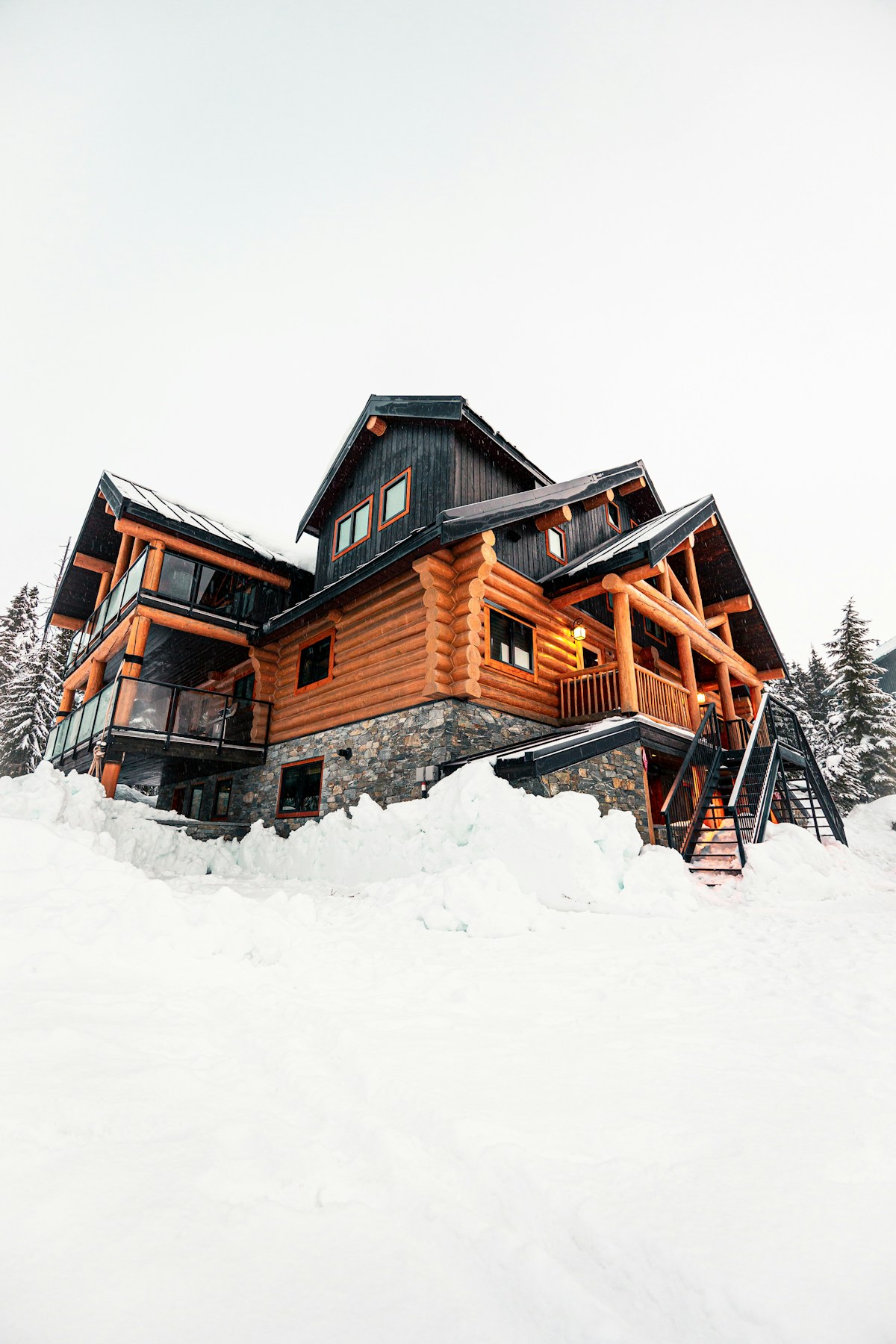
    Large log cabin surrounded by deep snow

    Photo: Unsplash

    New construction in Big Bear Lake is not like buying new construction anywhere else in Southern California. You’re not walking into a model home in a master-planned community with a golf course out back. You’re buying in a mountain market at 6,700-plus feet, governed by two different jurisdictions, subject to wildfire and snow load requirements that changed as of January 1, 2026, and operating inside one of the most closely regulated short-term rental environments in the state.

    If you’re considering new construction — whether that’s a newly completed spec home, a build-on-your-lot project, or a custom build from scratch — here’s what the process actually looks like.

    What “New Construction” Actually Means in Big Bear

    In most markets, new construction means a subdivision with a sales office and a handful of floor plans. Big Bear doesn’t work that way. The valley is mostly built out, and the limited flat land that remains is expensive and heavily regulated. What you’ll find instead falls into a few categories:

    • Newly completed spec homes — builders buy a lot, construct a home, and list it on the MLS. These are the most straightforward new construction purchases. You can typically get a standard home loan, do a normal inspection, and close in 30–45 days.
    • Build-on-your-lot — you purchase land separately, then contract with a builder to construct your home. There are currently 14 builders operating in the Big Bear area who offer this. It’s more complex, takes longer, and requires a construction loan — which is a different product than a standard mortgage.
    • Custom builds — fully custom homes designed to your specifications. The most expensive path, with the most variables. Timeline from lot purchase to move-in typically runs 18–36 months.

    The pricing range across all three categories is wide: $415,000 on the low end for a smaller spec home, up to $1.27 million and beyond for larger or custom builds. At $200–$400 per square foot for construction alone, a 2,000 square foot cabin can cost $400,000–$800,000 to build before you factor in the land, permits, and site work.

    The 2026 Building Code Changes That Raise the Price Tag

    New home construction with wooden framing

    Photo: Unsplash

    This is the part most buyers don’t know about until they’re already deep into the process.

    California’s updated building codes took effect January 1, 2026, and they hit mountain communities like Big Bear harder than most. The key changes:

    • Snow load requirements increased — the new code raises minimum snow load design values for structures at Big Bear’s elevation. Any new build, addition, or permitted remodel now has to meet higher structural standards, which adds material and engineering costs.
    • Wildfire construction standards are stricter — Big Bear sits in a High or Very High Fire Hazard Severity Zone. The 2026 code updates tighten requirements for ignition-resistant construction, ember-resistant vents, and defensible space compliance. These aren’t optional — they’re required for any permitted work.
    • Energy efficiency standards (Title 24) tightened further — California’s Title 24 energy code already added $25,000–$45,000 to standard construction budgets before 2026. The updated standards increase insulation, window, and HVAC requirements.

    The practical effect: new construction in Big Bear costs more in 2026 than it did in 2024, and buyers purchasing newly built homes are paying for that compliance. It’s not a flaw — it means the structure is built to current standards that older resale cabins may not meet. But it does affect your budget math.

    If you’re buying land to build, visit the City of Big Bear Lake’s Building & Safety Department or San Bernardino County’s Land Use Services before you make an offer on any lot. The permitting requirements, fees, and timeline vary depending on which jurisdiction the land falls in — and that difference can be significant.

    The STR Question Every New Construction Buyer Asks

    If you’re buying new construction with the intention of using it as a vacation rental, there are two things you need to understand before you close.

    First: single-family homes can still apply for a vacation rental license in the City of Big Bear Lake, subject to the city’s 1,500-license cap and the two-license-per-owner maximum. New construction homes are not excluded from the program — you can apply after purchase. The question is whether a license is actually available when you’re ready to apply.

    Second: if your new construction includes an ADU, the rules changed in 2026. Under Ordinance 2026-527, most newly built accessory dwelling units in the City of Big Bear Lake cannot be used as vacation rentals. The ordinance was designed to preserve ADU housing for long-term residents, not short-term rental stock. If you’re planning to build a guest house or casita to rent out on Airbnb, that plan may not be legal under current rules — and you’ll want to confirm with the city before you build.

    In San Bernardino County’s unincorporated areas (Big Bear City, parts of Sugarloaf, and other areas with 92314 addresses), the rules are different. The county has its own vacation rental permit program with separate requirements. Understanding the current market conditions matters whether you’re buying new construction or resale — and the STR rules are one of the biggest variables between the two jurisdictions.

    Financing New Construction: It’s Not a Standard Loan

    If you’re buying a completed spec home, financing works like any other purchase — conventional, FHA (if it qualifies), or a jumbo loan if the price is above conforming limits.

    But if you’re buying land to build, the process is more complicated. Land alone is difficult to finance. Most lenders offer short-term land loans (typically 3 years) at higher rates, with the expectation that you’ll roll into a construction loan and ultimately a permanent mortgage. The construction loan pays out in draws as work is completed — you’re not just borrowing a lump sum at closing.

    A few things to know upfront:

    • You’ll need a strong credit profile and significant reserves — lenders treat construction projects as higher risk
    • Interest rates on construction loans are typically higher than on purchase mortgages
    • You’ll need a detailed construction contract and builder credentials to get approved
    • If you’re planning to use the property as an investment or STR, expect your lender to classify it as an investment property, which means a higher down payment (typically 20–25%) and a higher rate than a second home loan

    The second-home vs. investment property distinction matters a lot in Big Bear. If the property will be rented out more than 14 days a year, most lenders classify it as an investment property. The financing terms are different — and your tax treatment changes too. Your specific situation will depend on your lender, so run the numbers before you commit to a lot or a floor plan.

    New Construction vs. Resale: The Honest Comparison

    Mountain cabin in snowy forest

    Photo: Unsplash

    New construction wins on condition. You get modern plumbing, updated electrical, current code compliance, energy-efficient systems, and no deferred maintenance. In a market where 80% of the housing stock was built before 1990, that’s meaningful — older cabins can hide real surprises in a home inspection (aging roofs, creosote buildup in chimneys, uninsulated pipes, outdated panels).

    Resale wins on price, selection, and negotiation leverage. Right now, Big Bear Lake has close to 10 months of inventory and homes are selling for around 96 cents on the dollar. Buyers have time to think, room to negotiate, and options to compare. New construction inventory is thin by comparison — fewer than 30 listings in the entire market — and builders rarely discount on newly built homes the way individual sellers do when they need to move on.

    The right answer depends on what you need the property to do. If you want a turnkey second home with no maintenance surprises for the first several years, new construction is worth the premium. If you’re buying for STR income and want an established property with a rental history, resale gives you more data to underwrite.

    Either way, I’d encourage you to run both scenarios with a local agent who can pull comps on new vs. resale in the specific area and price range you’re targeting. The gap looks different in Moonridge than it does in Big Bear City, and it looks different at $600K than it does at $1M.


    Frequently Asked Questions

    Are there new construction homes for sale in Big Bear Lake?

    Yes, but inventory is limited. There are typically 20–30 new construction homes listed in the Big Bear Lake area at any given time, with prices ranging from around $415,000 to over $1.2 million. Most are spec builds or custom/build-on-lot projects rather than large subdivisions.

    How much does it cost to build a custom home in Big Bear Lake?

    Expect $200–$400 per square foot for construction in Big Bear Lake, depending on design complexity and finish level. California’s Title 24 energy requirements, the 2026 snow load code updates, and wildfire construction standards add a combined $25,000–$45,000 in baseline costs before lot, permits, and site prep. Budget accordingly.

    Can I use a new construction home in Big Bear Lake as a vacation rental?

    It depends on the property type and jurisdiction. New construction single-family homes in the City of Big Bear Lake can apply for a vacation rental license, subject to the 1,500-license cap. However, newly built ADUs are generally prohibited from operating as vacation rentals under Ordinance 2026-527. Verify current rules with the city or county before buying with STR intent.

    What are the 2026 building code changes affecting Big Bear Lake?

    California’s 2026 codes include increased snow load design values for mountain communities, stricter wildfire construction standards at the wildland-urban interface, and updated Title 24 energy efficiency requirements. Any new build, addition, or permitted remodel in Big Bear Lake must meet these standards — which raises costs compared to pre-2026 construction.

    Is it better to buy new construction or a resale cabin in Big Bear Lake?

    New construction offers modern systems and no deferred maintenance, but inventory is thin and prices are at a premium. Resale offers more selection, more negotiating room in today’s buyer’s market, and established rental histories if you’re buying for STR. The right choice depends on your budget, intended use, and how much renovation risk you’re willing to take on.


    New construction in Big Bear Lake is worth considering — but it’s a more complicated purchase than it looks from the outside. The code changes, the financing structure, the STR rules, and the jurisdiction differences all matter before you sign anything.

    If you’re weighing new construction against resale, or trying to figure out whether a build-on-your-lot project pencils out in the current market, I’m happy to walk through the numbers with you. Every situation is different, and the only way to know what makes sense for your goals is to look at the specifics. Reach out anytime — you can find me at buyinbigbearlake.com or call/text 909.744.2190.


    About Rachael Smith-Meadors
    Rachael Smith-Meadors is a Broker Associate with RE/MAX Big Bear, serving buyers, sellers, and STR investors across Big Bear Lake and the surrounding mountain communities. With 10+ years in the business and a YouTube channel followed by 160,000+ people researching the market, she helps clients understand what’s actually happening in Big Bear before they buy, sell, or list. Connect with her at buyinbigbearlake.com.

  • Should You Sell Your Big Bear Home Now or Wait? (2026 Market Guide)

    Should You Sell Your Big Bear Home Now or Wait? (2026 Market Guide)

    Should you sell your Big Bear Lake home now or wait?

    The Big Bear Lake market in 2026 has stabilized — it isn’t crashing. Whether you should sell now or wait comes down to your own carrying costs and your reason for selling, not national headlines. Well-priced homes in good neighborhoods are still selling in roughly 45 to 75 days. The sellers who lose money are the ones holding a property they don’t use while taxes, insurance, and maintenance quietly drain $25,000 to $45,000 a year.

    By Rachael Smith | June 4, 2026

    If you own a home in Big Bear Lake and you’ve been watching the market, wondering whether prices are about to go up or come down, this one is for you. I get this question constantly from sellers: should I sell now or wait? Here’s a real answer — not a sales pitch, not a cheerful summary designed to get you to call me. Real talk about a real decision that involves real money.

    Before any of the timing math makes sense, you have to understand the one thing that makes this market behave differently than almost anywhere else in Southern California.

    Big Bear is a resort market, and that changes everything

    Big Bear is not a primary residential market. It’s a resort market — second homes, vacation rentals, ski cabins, weekend getaways. Most buyers here aren’t escaping a lease in the valley. They’re buying a lifestyle: summers, holiday weeks with the kids, quiet mornings with coffee and a lake view.

    That matters more than people realize. In a primary-home market like Redlands or Riverside, buyers need a roof over their heads. That need is constant — it doesn’t disappear when rates rise. In Big Bear, your buyer has options. They can rent for the weekend instead of buying. They can buy a condo in Mammoth. They can push the purchase out a year and nothing changes for their family.

    That discretionary demand makes this market more sensitive to interest rates, consumer confidence, and the broader economic mood than the suburbs are. It doesn’t make Big Bear a bad market — I’ve built my career here and I believe in this mountain deeply. It means the rules are different, and you have to know the rules to read your timing. Watch me break this down at 0:44.

    What prices are actually doing right now

    As of 2026, Big Bear Lake has been in a period of price stabilization following the extraordinary surge of the pandemic years. That boom was a once-in-a-generation event. Buyers flooded in from Los Angeles, Orange County, and the Inland Empire, inventory evaporated, and prices in some neighborhoods climbed 40 to 50% in 18 months. Moonridge cabins that sold for $450,000 in early 2020 were going for $650,000 by the end of 2022.

    That runup was never sustainable, and the correction has been working its way through ever since. But here’s the part that gets lost in the noise: this is a recalibration, not a crash. Median prices have eased off their peaks, and days on market have stretched from the 7-to-14-day frenzy of 2021 to roughly 45 to 75 days for well-priced homes today. That’s not a distressed market — that’s a market processing a peak. If you’ve been told the sky is falling, it’s worth understanding what’s really happening in the Big Bear housing market before you make a move.

    And we are not still falling. The market has found a floor. Well-priced homes in Moonridge, Boulder Bay, the lakefront corridor, and good pockets of Fawnskin are still selling. I explain where the floor is at 4:03.

    Where homes sit is when sellers anchor to 2022 peak pricing and won’t budge. I see it every week. A home lists at a number the current buyer pool won’t support, sits 30 days, then 60, then takes a reduction — and by the time it closes, it sells for less than it would have with correct pricing from day one, because a home that lingers picks up market stigma. That’s not bad market timing. It’s pricing strategy, and it’s fixable. It’s the same pattern behind why some Big Bear homes don’t sell while comparable ones close quickly.

    The four scenarios that decide “sell or wait”

    Which one applies to you changes the answer completely.

    1. You think prices will keep falling. If you have real local data behind that read — actual Big Bear comps and absorption rates, not a national headline — then selling sooner is reasonable. Every month you wait in a declining market costs equity. But most sellers who tell me this are running on news-cycle anxiety, not mountain data. I’ve watched national correction coverage run at the exact same time as multiple offers on a Moonridge cabin that was priced right and photographed well. Read your local market, not the national noise.

    2. You think prices will rise and you want the upside. Waiting can make sense — but only if the math works while you wait. This is where sellers fool themselves. They fixate on a future sale price and ignore what they’re spending to hold. Add it up: property taxes, homeowners insurance (climbing fast in mountain communities), HOA fees, maintenance, and if you rent it short-term, management fees, STR and permit fees, cleaning, restocking, and utility baseline. For many owners, the true carrying cost of a property they don’t fully use is $25,000 to $45,000 a year. If you’re betting on a $30,000 gain over two years while spending $50,000 to hold, that’s not a win. Waiting isn’t always wrong — but you have to run the numbers, not hold a feeling.

    3. You have a real personal or financial reason to sell. This is the most common case, and it’s where timing matters least. Funding retirement, a family transition, a divorce, simplifying your life — sell when your life calls for it. Even professional investors fail at perfectly timing markets. The sellers who do best decide their objective, price correctly for today, prepare the home well, and execute. They stop trying to be market timers and start being smart sellers.

    4. You own a short-term rental and you’re watching the rules. This one is specific to Big Bear. San Bernardino County has been actively managing vacation-rental permitting — how permits are issued, and whether they transfer when a property sells. If your home carries an active, transferable STR permit, that permit is a real asset. Buyers who plan to operate a rental will pay a premium for it, because new permits have gotten harder to obtain. If the county tightens further or caps permits, an existing transferable permit becomes even more scarce and valuable. The flip side: if regulations cut into rental income — capped nights, heavier compliance — investor demand softens, because a big share of that buyer pool is underwriting the purchase with rental income. I’m not predicting where the county lands. I’m saying the regulatory variable is real and live, and sellers with transferable permits sitting on the fence have a rational case for moving now. If you’re weighing the income side, here’s what a Big Bear cabin can actually earn on Airbnb.


    Want more Big Bear real estate insights like this? I break down market data, pricing strategy, and STR investment tips every week on my YouTube channel. Subscribe here so you never miss an update.


    What interest rates really mean for your decision

    Rates move demand here. High rates push some buyers to the sidelines or lower their price ceiling; when rates drop, demand expands and prices tend to respond — we saw exactly that when rates ticked down in 2024. In early 2026, rates have moderated from their highs but are nowhere near the 2020–2021 lows, and most serious projections don’t see those returning soon.

    If rates ease further, buyer demand could expand and nudge prices up. That sounds like an argument to wait — until you remember the other side. If prices rise and you’re selling to buy something else, your replacement cost rises too. Rising prices are a pure win only for the seller who cashes out and doesn’t buy anything equivalent. Sell one mountain home to buy another, and a rising market helps and hurts you at the same time. Your decision should run on your specific financial picture, not macro speculation. Nobody predicted a pandemic or the 2022 rate environment. What you can know is your own numbers.

    Big Bear isn’t one market — it’s several

    Timing also depends on where you are on the mountain. In Moonridge, you’re serving ski-oriented buyers who want Bear Mountain access — late-summer and early-fall listings perform well as buyers plan ahead of the snow. In Fawnskin, the north-shore buyer is more patient; price for a 30-day sale and you usually leave money on the table, so give it 60 to 90 days. Sugarloaf is more price-sensitive with deeper inventory — condition and price are your two levers, and you can’t outrun a comparable listing $30,000 cheaper. Boulder Bay commands a premium and is one of the least rate-sensitive pockets on the mountain. And Big Bear City skews toward year-round residents, so lean into the community itself rather than selling it as a vacation spot. If you’re still mapping the mountain, start with this Big Bear neighborhood guide. I walk through each neighborhood at 13:00.

    “I’ll wait until the market improves” — define that

    Whenever a seller tells me they’re waiting for the market to improve, I ask what “improve” means to them. Higher prices? More buyers? Fewer days on market? Those don’t always arrive together, and they never arrive on a schedule you can predict. If “improved market” really means “I’ll feel better about it,” that’s not a strategy — it’s a feeling that may never come while carrying costs pile up every month.

    And here’s the thing that affects your net more than timing ever will: preparation and pricing. A well-prepared, well-photographed, correctly priced cabin beats a poorly presented one in almost any market. Get a pre-listing inspection and fix the red-ticket items — when a buyer’s inspector hands over a long list of deferred maintenance, buyers get scared, negotiate hard, or walk. And spend the money on professional mountain-property photography. Most of your buyers are in LA or Orange County, falling for a cabin they’ve never visited based entirely on photos and video. Dark, flat shots lose them before a showing is ever booked.

    The bottom line

    Smart decisions in a resort market like Big Bear are built on current, specific, local information applied to your situation — not national headlines, not what a neighbor got in 2022, and not a gut feeling. If you want help running your real numbers, that’s exactly the kind of market breakdown I publish every week on YouTube. Subscribe to the channel here, and you’ll always know where this market really stands before you decide to sell or wait.


    About Rachael Smith
    Rachael Smith is a top-producing real estate agent with RE/MAX Big Bear, specializing in mountain homes, short-term rental investments, and luxury properties in Big Bear Lake and surrounding areas. With over a decade of experience and hundreds of homes sold, she helps buyers, sellers, and investors make smart, strategic real estate decisions. Through her strong online presence and data-driven approach, Rachael connects clients with opportunities both on and off the market.

  • 9K Joshua Tree Fixer: 5 Beds, Pool, and a Rentable ADU

    $579K Joshua Tree Fixer: 5 Beds, Pool, and a Rentable ADU

    What Does $579K Buy You in the Joshua Tree / Yucca Valley Market Right Now?

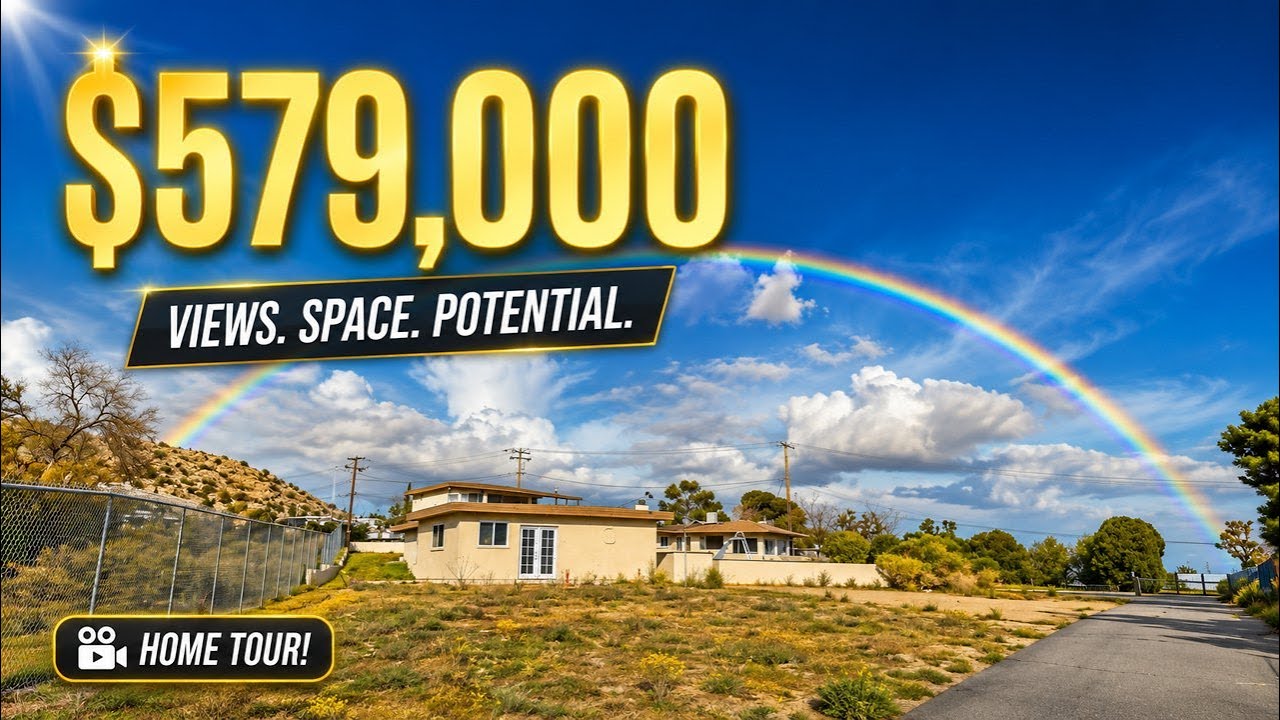
    At $579,000, this 5-bedroom, 4-bath trustee sale in Yucca Valley offers 3,446 square feet, a full pool and hot tub, and a separate 2-bedroom pool house that can be rented independently. Originally listed at $725,000, this as-is property at C845 Sage Avenue has real bones and genuine upside — whether you’re buying to live, invest, or pursue a live-in-one-rent-the-other strategy within driving distance of Joshua Tree National Park.

    By Rachael Smith | June 2, 2026

    The Joshua Tree and Yucca Valley market doesn’t see many properties at this combination of size, price, and potential. Fixers exist. Pool homes exist. ADUs exist. But a 3,446-square-foot compound with all three — under $600K — is a rare setup in the High Desert.

    That’s why I drove out to Yucca Valley to walk this one myself. Here’s the honest breakdown.

    The Property: What You’re Actually Getting

    C845 Sage Avenue sits above the valley floor with rocky hillside views and wide desert skies — the kind of setting people come to the High Desert specifically to find. You’re close to 29 Palms Highway, a short drive to Palm Springs, and positioned right between Joshua Tree National Park and Big Bear.

    The core specs:

    • 5 bedrooms, 4 bathrooms
    • 3,446 square feet total (main house + pool house)
    • Built in 1962 — original character with selective updates
    • Listed at $579,000 (down from $725,000)
    • Trustee sale, sold as-is
    • Pool, hot tub, slide, outdoor shower, outdoor barbecue, 2-car garage, massive parking area

    This isn’t a polished flip. Single-pane windows throughout the main house. Stucco showing some cracking. Carpet in a couple of bedrooms needs replacing. Watch the exterior walkthrough at 0:56 — it shows you exactly what you’d be inheriting.

    What it also has: solid architecture, a working fireplace with a stone surround, an updated kitchen, a steam shower in the master bath, a jetted soaking tub, recessed lighting, an intercom system throughout, and a layout that’s surprisingly functional for multi-unit or multi-generational use. The bones are good. This is not a teardown scenario.

    Walking the Main House

    The living room opens with patio-style doors and faces desert views rather than the pool — which actually works well if you want separation between your indoor living area and the outdoor entertainment space. The fireplace has been updated with stone and still has the original wood-burning insert. See the living room at 6:27.

    The kitchen has been updated since 1962 — newer cabinetry, appliances, and countertops. There’s a cast iron dual sink, dishwasher, trash compactor, and a sunken dining area with great valley light. The tile runs consistently throughout the main living spaces, which gives the home a cohesive feel even though the updates happened over multiple years. Kitchen walkthrough starts at 9:09.

    Bathroom number one features a cast iron clawfoot tub — a vintage piece that would cost real money to source and install today. Bathroom two has been more recently updated: large white subway tile, a navy accent, and a deep steam shower that doesn’t need touching. The master suite is its own upstairs wing — balcony, walk-in closet, updated quartz counters, and a jetted soaking tub. Add a barn door for privacy and a coffee station in the corner, and it functions as a proper retreat. Master suite walkthrough at 22:29.


    If you’re tracking the Yucca Valley and Joshua Tree market and want to see properties like this before they move, Rachael walks through High Desert and Big Bear listings every week. Subscribe to her YouTube channel here — she doesn’t sugarcoat what she sees.


    The Pool House: Where the Investment Case Lives

    This is the part that makes the deal worth serious consideration for buyers thinking beyond primary residence.

    The pool house is a fully separate structure at the back of the property with 2 bedrooms, its own kitchen, living room, and bathroom. It opens onto the pool and hot tub area — which is in excellent shape, well-maintained, with a slide, outdoor shower, and barbecue setup. The pool itself is large, clean, and goes from shallow to deep with a hot tub off to the side. Walk through the pool house starting at 26:03.

    The use cases are real:

    • Live in the main house, rent the pool house — Rachael estimates $2,000+/month as a long-term rental for the pool house alone
    • Airbnb one, live in the other — Yucca Valley allows short-term rentals in many zones, and a pool-access desert unit commands strong nightly rates
    • Mother-in-law or multigenerational setup — fully private, separate entrance, no shared front door
    • Full compound rental — the entire property as a group retreat or vacation rental

    If you’ve been following the Joshua Tree short-term rental investment market, you know that properties with existing ADU structures and pool access are the premium tier. This one gives you that infrastructure at a price point most other listings can’t touch. Verify local STR permitting with Yucca Valley before you close, but the structural setup is already there.

    What the Price Drop Tells You — and What It Doesn’t

    This property started at $725,000. It’s now at $579,000. That’s a $146,000 reduction. And it’s still available.

    That’s not automatically a red flag. Trustee sales — especially ones priced with optimism at the start — often need a reset before they reach the buyer pool that actually fits. The as-is condition filters out buyers who need financing with repair contingencies or who aren’t comfortable with a fixer. That narrows the pool significantly.

    For a cash buyer or a buyer using a renovation loan, the math gets interesting. You’re acquiring below market rate for the square footage and land. The pool, hot tub, pool house, and 2-car garage are already on-site. To replicate this from scratch on a vacant desert lot — land, construction, permits, pool, ADU — you’d spend substantially more than $579K before you picked a paint color.

    “I think right now this is like the best price I’ve seen on a fixer in this area,” Rachael said during the walkthrough. “And it’s not even like a bad fixer — it’s got great bones and great architecture to it.” Hear it at 13:13.

    Realistic Budget for a Full Renovation

    Going in eyes open on a sold-as-is property means knowing what’s coming. Items to budget for:

    • Window replacements (single pane throughout main house) — significant investment but not urgent
    • Stucco exterior repair
    • Carpet replacement in 2–3 bedrooms
    • Deep cleaning throughout — the property has been sitting vacant
    • Pool house kitchen and bathroom refresh — functional but dated
    • Landscaping and concrete work in yard areas
    • Roof assessment — one area flagged during the walkthrough

    None of these are structural. Most are cosmetic. A full renovation budget would likely land in the $80K–$150K range depending on scope and finish level. At $579K purchase plus $120K in improvements, you’re at $699K all-in for a 3,446 sq ft desert compound with a pool, hot tub, and income-producing ADU. In the High Desert, that’s a defensible position.

    This property is listed by Heidi Marshall with Libby’s Realty. If you have questions about the Joshua Tree or Yucca Valley market — comparable sales, investment strategy, financing options for a fixer — reach out to Rachael directly at 909-744-2190 or rachaelsmithrealestate@gmail.com. She works this market and can connect you with the right resources.

    Rachael tours properties like this every week — honest walkthroughs with real numbers, not highlight reels. Subscribe to her YouTube channel to catch the next High Desert or Big Bear listing before it’s gone.


    About Rachael Smith
    Rachael Smith is a top-producing real estate agent with RE/MAX Big Bear, specializing in mountain homes, short-term rental investments, and luxury properties in Big Bear Lake and surrounding areas. With over a decade of experience and hundreds of homes sold, she helps buyers, sellers, and investors make smart, strategic real estate decisions. Through her strong online presence and data-driven approach, Rachael connects clients with opportunities both on and off the market.

  • Big Bear Lake Cabin Near Meadow Park: Is 8K a Good Deal?

    Big Bear Lake Cabin Near Meadow Park: Is $588K a Good Deal?

    Big Bear Lake Cabin Near Meadow Park: Is $588K a Good Deal?

    What Does a $588,000 Cabin Near Meadow Park in Big Bear Lake Actually Get You?

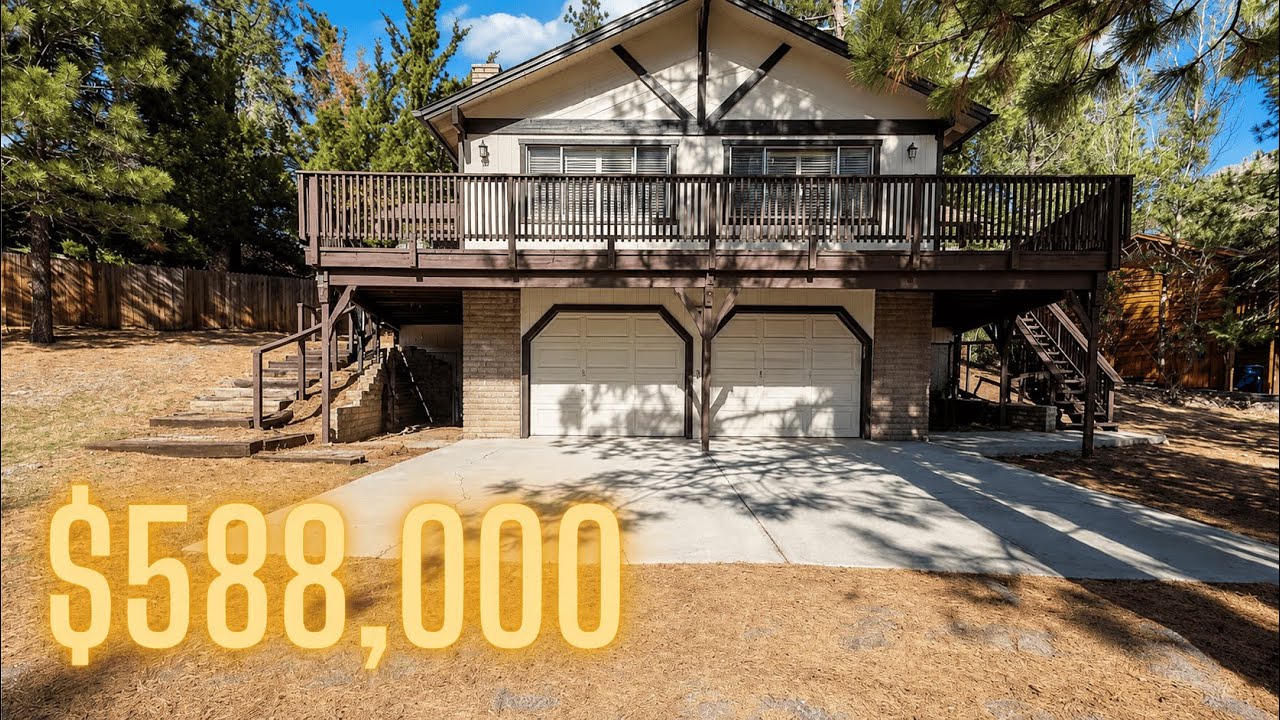
    At $588,000, this 3-bedroom, 2-bathroom single-story cabin at 317 Ren — sitting on a 9,520 sq ft corner lot steps from Meadow Park — is priced squarely in Big Bear Lake’s mid-range market for a 1,536 sq ft home built in 1976. The remodeled kitchen, central heating, large usable lot, and walkable park location make it a compelling option for buyers looking for a mountain retreat, vacation rental, or full-time residence. There are cosmetic updates still on the to-do list, which gives a buyer some room to negotiate or add value.

    By Rachael Smith | June 3, 2026

    Corner lots near Meadow Park don’t come up that often in Big Bear. When they do — especially at this price point — they move.

    This week I walked through a 3-bed, 2-bath single-story cabin at 317 Ren, right at the corner of Park and Ren, a short walk from Meadow Park in the heart of Big Bear Lake. Listed at $588,000, it’s the kind of property that attracts multiple types of buyers: the family looking for a full-time mountain home, the investor eyeing short-term rental income, and the buyer who just wants a cabin that feels like Big Bear without the teardown budget.

    Here’s what I found.

    The Lot and Location — The Real Story Here

    The lot is 9,520 square feet. In Big Bear, that’s big. Most cabins in this price range sit on 5,000–7,000 sq ft — so getting nearly 10,000 sq ft, on a corner, near Meadow Park, changes the math.

    The corner position means more yard on two sides, better natural light, and no shared fence line with a neighbor on one side. If you’re thinking vacation rental, that extra outdoor space matters — guests want room to spread out, fire up a grill, and enjoy the mountain air. See the lot from the street at 0:47.

    The location near Meadow Park is the other big draw. Meadow Park puts you within a short walk of Big Bear’s downtown village, the lake, and the trail systems. It’s one of the more walkable pockets of Big Bear — which is rare for a mountain market that’s largely car-dependent.

    Listed by Opendoor, so it’s an institutional seller — which tells you something about how the negotiation might go.

    Inside: What Works, What Doesn’t

    The floor plan is single-story with a mirrored layout — bedrooms and bathrooms on each wing, living space in the middle. Once you’re inside, it reads clearly: Rachael walks the layout at 3:53.

    The floors are a charcoal hardwood laminate. They’re in decent shape overall — a few pucker spots here and there, which is typical for a mountain home that’s seen temperature swings over the years. Nothing that would stop a buyer, but worth noting in an inspection.

    The home has central heating, which is a meaningful upgrade in a market where a lot of older cabins still rely on wall heaters or wood-burning stoves. Heavy-duty blinds throughout. The windows are dual single-pane — the kind where you swap the storm window in and out by season. Not the most efficient, but functional and common for homes built in this era.

    Ceilings are around 7 feet. Not soaring, but it keeps the cabin feel — cozy rather than cavernous. Recessed lighting has been added, which helps the spaces feel brighter than the ceiling height might suggest.

    The Kitchen — The Standout Feature

    The kitchen has been remodeled, and it shows. Walk through it at 8:22.

    The countertops are the headline: a gray surface with copper-flecked speckles that reads more high-end than you’d expect at this price point. Barnwood-patterned white tile floors transition from the main living area into the kitchen — it’s a cohesive design choice that works well. There’s a counter overhang that could accommodate bar stools, and the layout is functional for a family or a rotating group of vacation guests.

    A solar-type skylight or tank is also part of the kitchen setup — an energy-conscious touch that’s increasingly common in Big Bear homes as owners manage utility costs for properties that may sit vacant for stretches between rentals or visits.


    Want more Big Bear real estate insights like this? Rachael tours homes across Big Bear Lake every week and breaks down exactly what she sees — finishes, flaws, and whether the price makes sense. Subscribe to her YouTube channel so you don’t miss the next walkthrough.


    The Bedrooms: What You’re Getting

    Three bedrooms, two bathrooms, and they’re not all created equal — which is normal for a home with this floor plan.

    The second bedroom functions more like the primary — it’s slightly larger, with good window coverage including a unique corner window that lets in cross-light from two directions. See it at 12:27. The third bedroom is smaller and squared off — workable as a guest room or a kids’ room, especially for a vacation rental where guests aren’t expecting master suite square footage.

    One bedroom still has popcorn ceiling in the closet area — looks like it was removed in the main spaces but left in the storage zones. Minor, but worth flagging if you’re someone who wants it fully addressed.

    There are also some vinyl flooring seams in one of the rooms that are sitting a little too close together — they’ll eventually separate if not addressed. Not a dealbreaker, but the kind of thing you’d want to pull up and relay properly rather than leave. Rachael points it out at 16:07.

    The backyard is partially fenced. Enough for a dog or for defining the outdoor space, but you’d likely want to complete the fencing if you’re renting or have kids.

    Who This Home Is Right For

    A few different buyer profiles fit this property well.

    If you’re buying for personal use — full-time or weekends — the location near Meadow Park is hard to beat. You’re close to the park, the village, and the lake without being on a busy corridor. The lot gives you real outdoor space to enjoy, and the single-story layout is practical for all ages.

    If you’re looking at short-term rental income, the 3-bed/2-bath configuration is a strong performer in Big Bear. Groups of 6–8 book cabins like this for ski weekends and summer lake trips. The large lot, remodeled kitchen, and walkable location are exactly what STR guests filter for. You’d want to confirm the city’s current STR permit status before closing for that purpose — Big Bear has been managing permit inventory in recent years.

    If you’re an investor looking for value-add, there are cosmetic updates here — flooring repairs, finishing the fencing, addressing the popcorn ceilings — that a buyer with a renovation budget could tackle to push the rental rate and eventual resale value meaningfully higher.

    At $588,000, the large corner lot and park proximity are doing a lot of the work. The home itself is solid but dated in places — it’s priced for that reality. The clients I work with who’ve bought near Meadow Park consistently value the location long after the renovations are done.

    If you want a full walkthrough of what I saw — every room, every finish, every detail — the video above covers it in full.

    And if you’re thinking about buying or selling in Big Bear, search current Big Bear listings here or reach out to me directly. I work this market every day and know what’s priced right and what’s not.

    More home tours, market breakdowns, and Big Bear buyer guides are on my YouTube channel every week. Subscribe here and stay ahead of what’s happening in the mountain market.


    About Rachael Smith
    Rachael Smith is a top-producing real estate agent with RE/MAX Big Bear, specializing in mountain homes, short-term rental investments, and luxury properties in Big Bear Lake and surrounding areas. With over a decade of experience and hundreds of homes sold, she helps buyers, sellers, and investors make smart, strategic real estate decisions. Through her strong online presence and data-driven approach, Rachael connects clients with opportunities both on and off the market.

  • WHAT BUYERS SHOULD KNOW BEFORE PURCHASING A MOUNTAIN CABIN

    WHAT BUYERS SHOULD KNOW BEFORE PURCHASING A MOUNTAIN CABIN

     What Buyers Should Know Before Purchasing a Mountain Cabin

    Picture this.

    You spend a weekend in Big Bear. Snow is falling softly on the pine trees, the fireplace is glowing, and the mountain air feels cleaner than anything back in the city. Or maybe it’s summer—the lake sparkles in the afternoon sun and hiking trails wind through cool forest shade.

    At some point during that trip, the thought probably crossed your mind:

    “I should buy a place here.”

    It’s a common feeling. Big Bear has been one of Southern California’s favorite mountain escapes for decades. When remote work became more common, demand for vacation homes and cabins surged even more.

    But before turning that dream into reality, there’s another side of ownership that many weekend visitors don’t see.

    Owning in Big Bear can be incredibly rewarding—but it also comes with responsibilities, costs, and challenges that buyers should understand before signing the paperwork.

    Let’s take a look at the realities behind the dream.

    1. Not All Big Bear Properties Play by the Same Rules
      WHAT BUYERS SHOULD KNOW BEFORE PURCHASING A MOUNTAIN CABIN

    One of the first surprises many buyers encounter is how different the rules can be depending on where your property is located.

    “Big Bear” isn’t actually one single jurisdiction. A property could fall under:

    • The City of Big Bear Lake

    • Big Bear City (an unincorporated community)

    • Other San Bernardino County areas

    Each one has different regulations related to permits, building codes, and short-term rentals.

    Some neighborhoods also have homeowners associations (HOAs) that regulate things like:

    • Exterior design or paint colors

    • Parking rules for guests

    • Noise hours and outdoor fire pits

    • Boat or trailer storage

    • Short-term rental restrictions

    None of these rules are necessarily bad—but they can affect how you use your property.

    Before buying, it’s important to confirm exactly which rules apply to the property you’re considering.

    2. The Real Cost of Owning a Cabin

    The purchase price of a cabin is just the beginning. Many first-time buyers underestimate what it actually costs to maintain a mountain property.

    Some of the biggest ongoing expenses include:

    Property Taxes

    California’s base property tax rate is around 1%, but local assessments often push the effective rate closer to 1.1–1.3% annually.

    Insurance

    Insurance has become a major issue in mountain communities due to wildfire risk.

    Policies that might cost $1,500 in the city can easily reach $3,000–$5,000 per year in Big Bear—and sometimes more.

    Utilities

    Even when you’re not visiting, utilities still run.

    During winter, the heat must remain on to prevent pipes from freezing. Add electricity, internet, water, and trash service, and carrying a vacant property can cost $300–$500 per month or more.

    Maintenance

    Mountain homes face tougher conditions than typical houses.

    Snow, freezing temperatures, and strong UV exposure mean repairs happen more often.

    Typical costs can include:

    • Roof replacement: $10,000–$25,000

    • Deck repairs: $8,000–$20,000

    • HVAC systems: $5,000–$15,000

    • Frozen pipe repairs: $2,000–$10,000+

    Many owners budget 1–2% of the home’s value each year for maintenance.

    3. Mountain Weather Is Beautiful—and Demanding

    Snow is one of the things that makes Big Bear magical.

    But when it snows, it also becomes your responsibility.

    Driveways, walkways, and snow buildup on roofs must be cleared regularly. Many homeowners hire snow removal services, which can cost $500–$1,500 per winter season.

    Access can also become complicated during storms.

    Big Bear is reached primarily through Highway 18 or Highway 38, both of which are scenic mountain roads that can require chains during winter storms.

    A drive that normally takes two hours from Los Angeles can occasionally stretch to four or five hours during heavy traffic or storm conditions.

    For owners who visit often—or rent their property—this is simply part of mountain life.

    4. Short-Term Rentals: Opportunity and Responsibility

    Many buyers plan to offset costs by renting their cabin through platforms like Airbnb or VRBO.

    This can work—but it’s rarely as simple as it sounds.

    In the City of Big Bear Lake, short-term rentals require a permit and must comply with rules related to:

    • Occupancy limits

    • Parking requirements

    • Noise regulations

    • Transient Occupancy Tax (TOT)

    There are also operational realities.

    Running a vacation rental involves:

    • Guest communication

    • Cleaning coordination

    • Maintenance issues

    • Pricing adjustments

    • Responding to problems at all hours

    Professional property management is available but typically costs 20–30% of rental revenue.

    Additionally, tourism in Big Bear is seasonal.

    Winter ski weekends and summer lake weekends are strong, but spring and fall can be slower.

    Understanding realistic rental income expectations is essential before relying on it financially.


  • Joshua Tree Airbnb Investment: 3BR Pool Home in Yucca Valley for 9,990

    Joshua Tree Airbnb Investment: 3BR Pool Home in Yucca Valley for $499,990

    Is a Permitted Joshua Tree Airbnb Worth $499,990? Here’s What This Pool Home Actually Offers

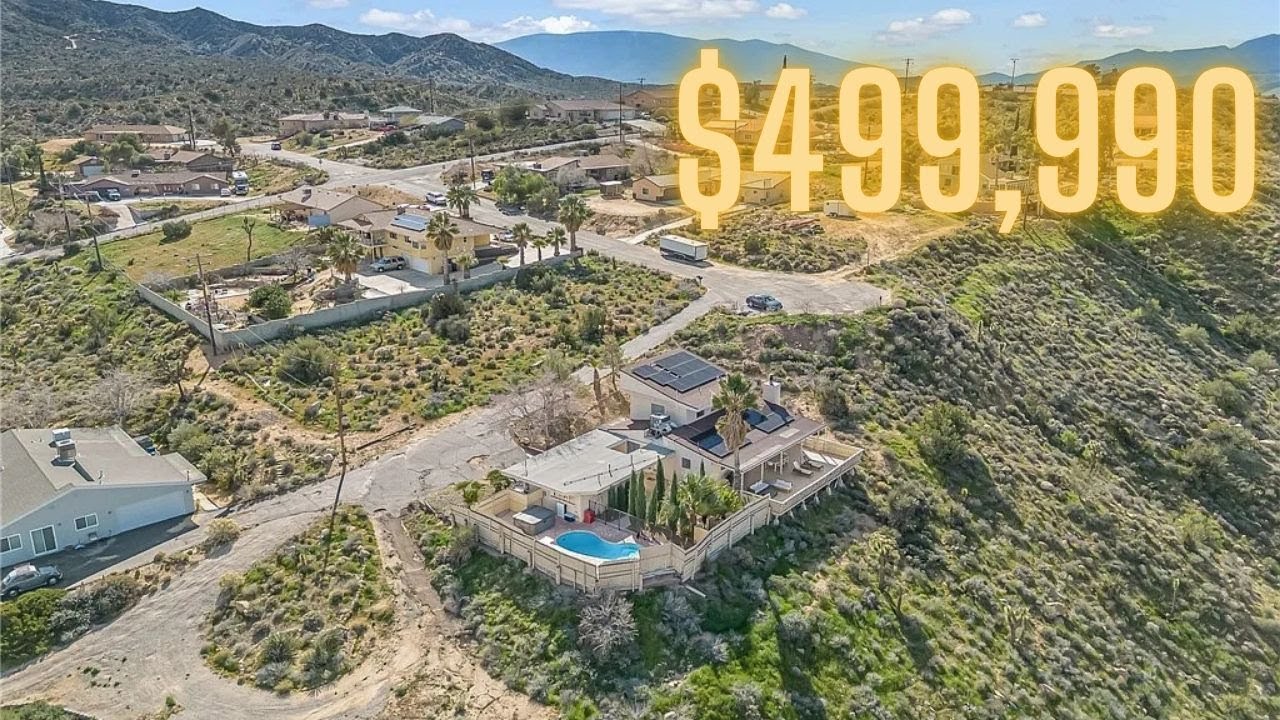
    A fully furnished, 3-bedroom desert home on nearly an acre — with a private pool, spa, panoramic views, and an active permitted short-term rental — just hit the market in Yucca Valley for $499,990. If you’ve been looking at Joshua Tree as an investment market, this is the kind of property that doesn’t sit long.

    By Rachael Smith | May 30, 2026

    The Joshua Tree / Yucca Valley market gets a lot of attention from investors — and for good reason. Demand for desert escapes near Joshua Tree National Park has been consistently strong, and Yucca Valley is one of the few desert cities in Southern California that still allows permitted short-term rentals. That permitting piece is everything. It’s the difference between a turnkey income-producing asset and a headache you have to sort out before you can collect a single booking.

    This property at 7731 Arrowhead comes with the permit already in place — and it’s actively operating. That alone makes it worth a serious look.

    What You’re Actually Getting for $499,990

    Let’s talk about the physical property, because the numbers only tell half the story.

    This is a 3-bedroom, 2-bath home sitting on nearly an acre in Yucca Valley, just minutes from the west entrance of Joshua Tree National Park. The lot is large enough that the outdoor spaces feel genuinely private — which matters a lot for guests who are paying a premium to feel like they’ve escaped the city.

    The home runs over 2,000 square feet with a style that leans heavily into its 1970s roots. Bold architectural details, custom lighting, vintage-inspired finishes — it doesn’t look like every other vacation rental. In a market where guests are choosing between dozens of listings, that visual identity is a real competitive advantage. Homes that photograph distinctively book at higher rates. Full stop.

    The outdoor setup is what drives the nightly rate potential here. Private pool, spa, and outdoor entertaining spaces that look and feel like a resort. Sweeping panoramic views of the surrounding desert. On a clear night, you’ve got stars in every direction. For guests coming from LA, that alone is worth the drive.

    And the home comes fully furnished. If you’re an investor, that means you’re not spending an additional $20K–$40K on staging and furnishings before your first booking. The previous owners already did that work.

    If you want to see the full comparison of what different price points look like in this market, I broke down a $1.3M property in a recent tour — here’s what $1.3 million buys you in Joshua Tree — so you can calibrate what $499,990 actually represents in context.

    The STR Angle: Why the Permit Matters More Than the Pool

    I’ve worked with a lot of buyers who come into the desert market focused entirely on the aesthetics — the pool, the views, the Instagram-worthy interiors. And those things matter. But in Yucca Valley specifically, the most valuable thing this property has is its short-term rental permit.

    Several nearby desert markets have tightened or outright banned new short-term rental permits in recent years. Yucca Valley still allows them, but that regulatory environment can shift. Buying a property that already has an active, permitted STR gives you a level of protection that buyers starting from scratch don’t have.

    It also means no waiting period before you start generating revenue. The booking infrastructure is already in place. You close, you take over operations — or bring in a property manager — and the income starts.

    For context on what desert STR income can actually look like, I covered this in detail for the Big Bear market: how much you can actually make renting a mountain cabin on Airbnb. The mechanics are similar in Joshua Tree, though nightly rates and seasonality patterns differ.


    Thinking about investing in a desert or mountain STR property? Rachael covers Joshua Tree, Yucca Valley, and Big Bear Lake real estate every week — property tours, market data, and the honest investment analysis you actually need. Subscribe here so you don’t miss the next one.


    What Buyers Should Think About Before Pulling the Trigger

    A property like this deserves real due diligence, not just enthusiasm. A few things I’d be looking closely at:

    • Water costs. Running a pool and spa in the desert is not cheap. Get 12 months of utility bills before you close. High water costs can meaningfully affect your net operating income.
    • STR permit transferability. Confirm with the City of Yucca Valley that the permit transfers to a new owner and what that process looks like. Don’t assume — verify.
    • Roof and mechanical condition. Desert heat is hard on roofs, HVAC systems, and pool equipment. A 1970s home needs a detailed inspection with specific attention to these systems.
    • Existing bookings. If there are future reservations on the books, understand what obligations transfer to you and what the seller’s cancellation policy is.
    • Unpermitted additions. Always worth checking — I covered this extensively in what buyers need to know about unpermitted additions. The same principles apply in Yucca Valley.

    None of these are dealbreakers — they’re just the questions you need answered before you make a $500K decision. The buyers who do well in this market are the ones who go in with their eyes open.

    The comments on this video reflect some of the skepticism you’ll hear about desert market pricing right now — a few viewers noted the price feels high relative to the condition. That’s a fair conversation to have with your agent. Depending on comparable sales in Yucca Valley and current STR income documentation, there may be room to negotiate. I also did a breakdown of what else is available at this price point in the Joshua Tree area — worth reading side by side if you’re actively shopping.

    The full tour of this property is in the video above — 19 minutes of walkthrough, exterior shots, the pool and spa setup, and the views. Watch it, and if you have questions about buying, selling, or investing in the Joshua Tree or Big Bear markets, reach out directly.

    New property tours and market updates go up every week on my channel. Subscribe here so you don’t miss the next one.


    About Rachael Smith
    Rachael Smith is a top-producing real estate agent with RE/MAX Big Bear, specializing in mountain homes, short-term rental investments, and luxury properties in Big Bear Lake and surrounding areas. With over a decade of experience and hundreds of homes sold, she helps buyers, sellers, and investors make smart, strategic real estate decisions. Through her strong online presence and data-driven approach, Rachael connects clients with opportunities both on and off the market.

  • Why Some Big Bear Homes Don’t Sell — And What Every Buyer Should Look For

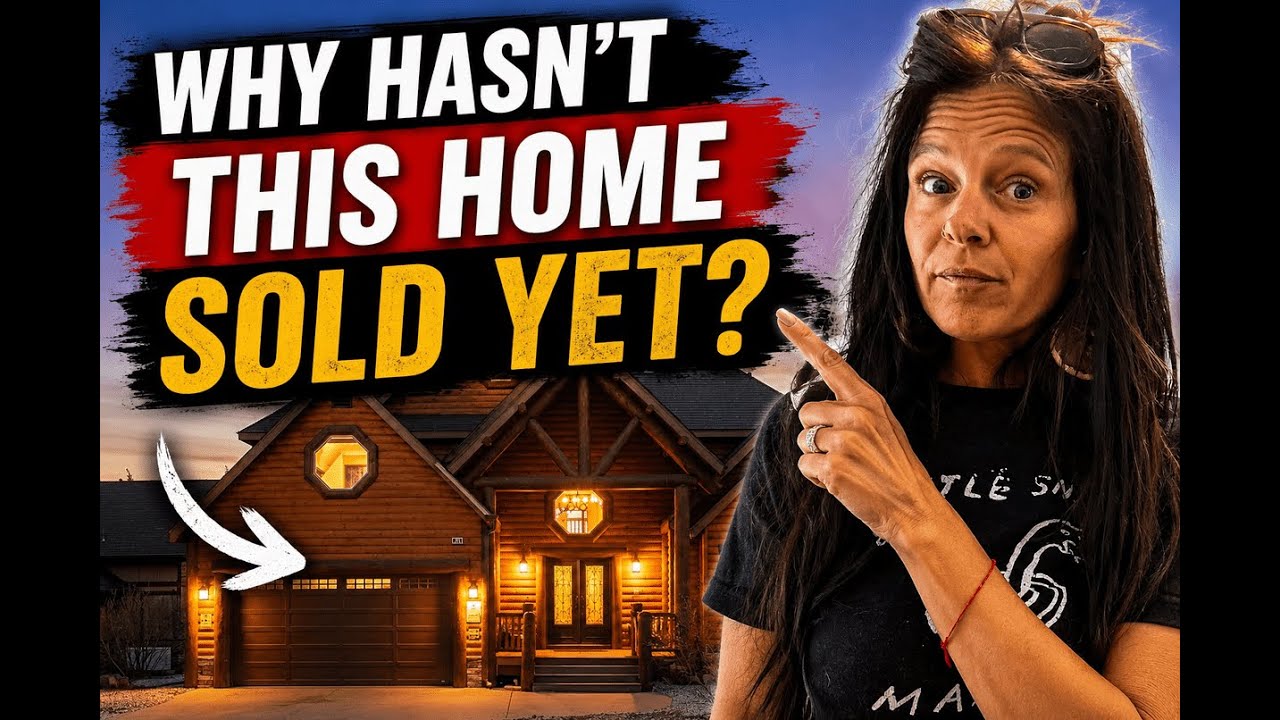
    Why Some Big Bear Homes Don’t Sell — And What Every Buyer Should Look For

    Why Do Some Big Bear Lake Homes Sit on the Market?

    A well-priced Big Bear home in good condition doesn’t linger. When a property has been sitting for 60, 90, or 120+ days, there’s always a reason — and it usually comes down to three things: pricing, condition, or how the property is being presented to buyers.

    In my latest video, I walk through a Big Bear Lake mountain home that, on paper, has a lot to offer. But the market hasn’t agreed — at least not at the current price. Watch the full tour and see what you think:

    By Rachael Smith | May 29, 2026

    After watching hundreds of buyers tour properties in Big Bear — and watching homes either fly off the market or sit untouched for months — you start to develop a sense for what makes the difference. The homes that don’t sell usually aren’t bad properties. They’re properties where something is misaligned. That misalignment is almost always correctable. The question is whether the seller is willing to correct it.

    Here’s what I look for — and what you should look for — when you’re touring a home that hasn’t moved.

    Pricing: The Variable That Controls Everything Else

    Every home will sell at the right price. That’s not a consolation — it’s the market telling you something specific.

    When a Big Bear property has been sitting, the first thing I do is pull the comps. Not just active listings, but closed sales from the past 90 days. What have buyers actually paid for similar square footage, similar location, similar STR potential? If the listing price is more than 5–10% above that range without a clear reason to justify the premium, that’s your answer.

    Big Bear buyers are not unsophisticated. Many of them have been watching the market for months before they make an offer. They see price reductions. They know what a $650,000 Big Bear cabin looks like versus what they’re being shown for $750,000. If those two things don’t line up, they move on.

    The homes that sit the longest are often ones where the seller anchored the price to what they paid — or what they need — rather than what the market will support. That’s understandable emotionally. It’s a problem strategically.

    If you’re a buyer touring a home that’s been sitting, the stale days-on-market is actually useful data. It tells you there’s room to negotiate — and it tells you the seller has likely been through enough disappointment to be more flexible than they were at listing.

    Condition: What Buyers Feel Before They Think

    Buyers make emotional decisions first and logical decisions second. A home that smells musty, has deferred maintenance visible in the first three minutes of the tour, or photographs poorly online has already lost the battle before a buyer walks in the door.

    In Big Bear specifically, condition issues tend to cluster around a few things:

    • Roof and deck wear — Mountain properties deal with snow load, UV exposure, and freeze-thaw cycles every year. Buyers (and their lenders) are watching for signs of deferred maintenance here.
    • HVAC and plumbing — Older systems make buyers nervous, especially when they’re planning to use the property as an STR. A breakdown mid-rental is costly in more ways than one.
    • Interior updates — Kitchens and bathrooms still carry the most weight in buyer perception. A dated kitchen in a cabin that’s competing against fully remodeled STRs is a meaningful disadvantage.
    • Exterior curb appeal — Mountain homes often have incredible natural settings, but a property can undermine its own setting with a cluttered yard, peeling paint, or a driveway that looks unmanaged.

    None of these are dealbreakers on their own. But they stack. And when buyers are comparing five properties on a weekend tour, the one that feels the most move-in ready — or most STR-ready — wins.

    If you’re a seller reading this: a $5,000–$15,000 investment in targeted pre-listing improvements almost always returns more than the cost. I’ve seen it happen consistently with the clients I work with in Big Bear. Fix the visible stuff before you go to market, not after you’ve already accumulated 60 days on market and a perception problem.


    Want more Big Bear real estate insights like this? Rachael breaks down market data, property tours, and buying and selling strategy every week on her YouTube channel. Subscribe here so you never miss an update — including tours of homes that tell the real story of what the market is doing right now.


    Layout and STR Fit: The Factor Most Sellers Miss

    Big Bear is a short-term rental market. A significant percentage of buyers are purchasing with rental income as part of the equation — either as the primary goal or as a fallback if they don’t use the property as much as they planned.

    That means the floor plan matters in a very specific way. STR guests have a checklist, and so do STR investors. They want sleeping capacity that doesn’t require everyone to share a bed, common areas that photograph well, outdoor space that makes the listing appealing, and amenities that drive bookings — a hot tub is still the single highest-return addition in the Big Bear STR market.

    A home with a confusing layout, limited parking, or no outdoor entertaining space is going to underperform for STR purposes — and buyers who crunch the numbers will know it. That directly affects what they’re willing to offer.

    This is worth understanding as a seller: your home isn’t competing only against other homes for sale. It’s competing against the existing STR inventory. If a buyer can buy a different property that generates $60,000–$80,000 per year in rental income versus your property that will realistically generate $35,000–$45,000, there’s a gap in your pricing that has to be addressed. To understand what’s realistic for a given property, check out how much you can actually make renting a Big Bear cabin on Airbnb — the numbers vary more than most people expect.

    As a buyer, this is actually good news. A property that hasn’t sold because of a layout limitation or modest STR potential may be perfectly priced for someone who plans to use it primarily as a personal retreat rather than an income property. The competition for that buyer profile is lower. You may be able to negotiate more aggressively on a home that’s been sitting precisely because most buyers are running STR math and coming up short.

    What Days on Market Is Really Telling You

    Real estate agents sometimes treat days on market as something to manage perceptually — relisting a property, doing price drops to reset the clock, refreshing photos. Buyers see through this. Experienced buyers check the full listing history.

    What a long days-on-market actually signals:

    • The property has been seen by most active buyers and passed on — at the current price
    • There may be inspection or financing concerns that prior buyers uncovered and walked away from
    • The seller may be more motivated than their initial list price suggested
    • There’s negotiating room — how much depends on the seller’s situation and how long they’ve been carrying the mortgage

    I always advise buyers touring a home that’s been sitting to ask their agent for the complete listing history and any seller disclosures available before the showing. Know what you’re walking into. If a home passed through two or three prior contracts that fell through, find out why — that’s critical information.

    Understanding the broader market context is just as important. If you want to know what’s really happening with the Big Bear housing market right now, that post breaks down current conditions — inventory, buyer demand, and what’s actually driving prices in different segments. And if you’re evaluating a specific property’s location within Big Bear, the Big Bear neighborhood guide for buyers covers Fox Farm, Moonridge, and Sugarloaf in detail — including which areas have the strongest STR demand.

    The Opportunity Hidden in Unsold Homes

    Some of the best deals I’ve seen buyers close in Big Bear came from properties that had been sitting — not because those properties were inferior, but because they hadn’t found the right buyer yet.

    The right buyer for a stale listing is someone who:

    • Isn’t buying on emotion or timeline pressure
    • Can look past surface issues and evaluate the underlying value
    • Understands the market well enough to know whether the gap between list price and market value is real
    • Has an agent who will do honest due diligence rather than just push the deal through

    If you’re that buyer — patient, informed, working with the right representation — a home that hasn’t sold can be exactly where you find your best entry point into the Big Bear market.

    Watch the full tour of this Big Bear home in the video above and form your own opinion. If you have questions about the property, the pricing, or whether something like this might fit your investment or personal use goals, reach out directly. That’s what I’m here for.

    Rachael Smith covers Big Bear Lake real estate every week on her YouTube channel — property tours, market updates, and the kind of straight talk you don’t always get elsewhere. Subscribe here and you’ll never miss a tour that might be the one you’ve been waiting for.


    About Rachael Smith
    Rachael Smith is a top-producing real estate agent with RE/MAX Big Bear, specializing in mountain homes, short-term rental investments, and luxury properties in Big Bear Lake and surrounding areas. With over a decade of experience and hundreds of homes sold, she helps buyers, sellers, and investors make smart, strategic real estate decisions. Through her strong online presence and data-driven approach, Rachael connects clients with opportunities both on and off the market. DRE #01923537 | 909-744-2190 | rachaelsmithrealestate@gmail.com