New to the Market
Remax
01923537
New to the Market
Remax
01923537
Fresh From The Market
Remax
01923537
Just Listed!
Remax
01923537
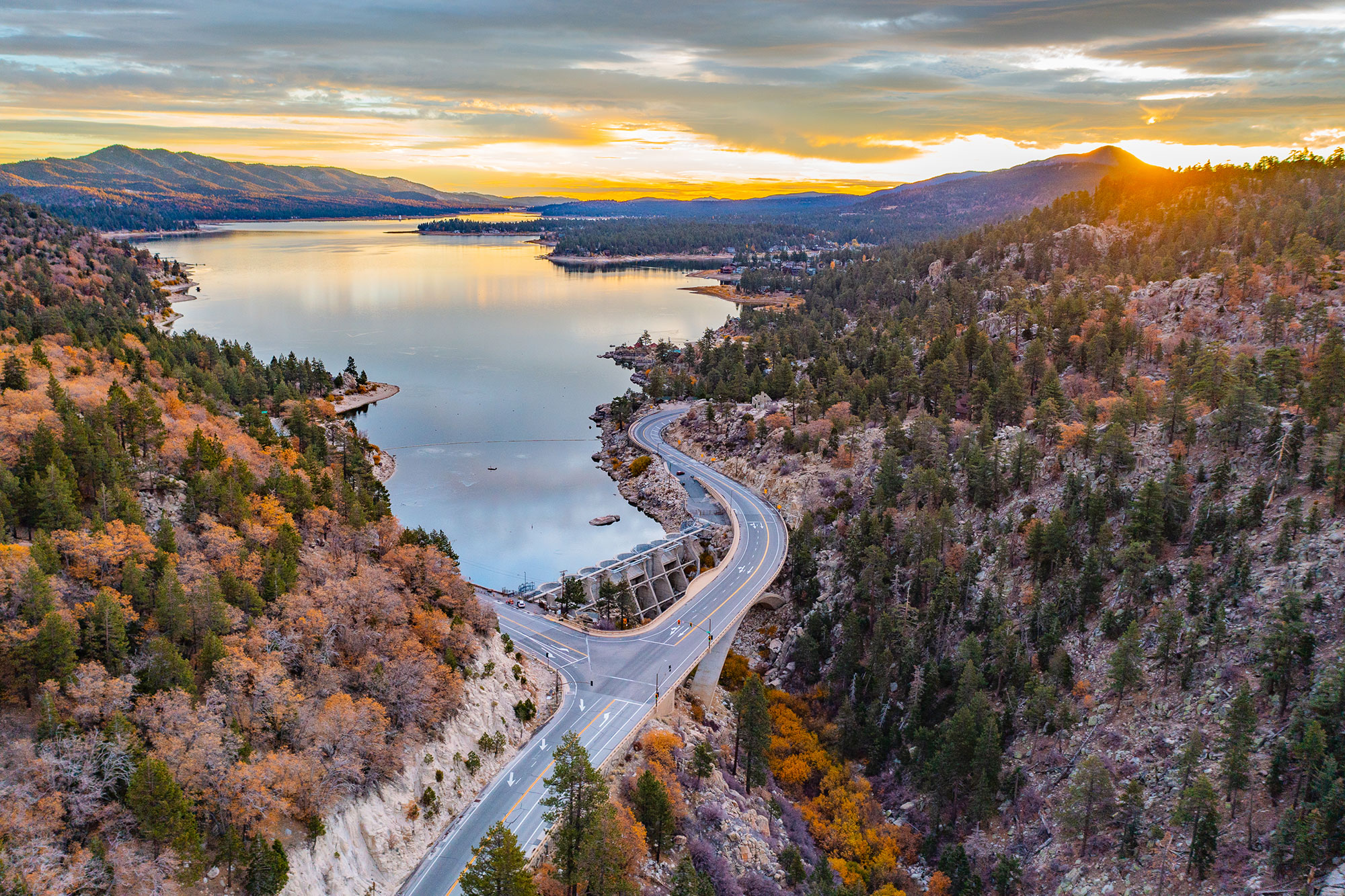
When you buy a lakefront home in Big Bear, you don’t actually buy the lake. The Big Bear Municipal Water District owns the water and the lakebed, dock privileges attach to the owner and have to be re-applied for, and the water level moves year to year — it recently recovered to its highest point since 2012 after the wet winters of 2023–2025. Boulder Bay sits inside the City of Big Bear Lake (92315); Fawnskin is unincorporated county on the quieter north shore (92333). Those differences change your dock rights, your short-term rental rules, and what “lakefront” even means on the listing.
“Lakefront” is the most misunderstood word in a Big Bear listing.
Two homes can both say lakefront and be completely different purchases — one comes with a permitted three-slip dock and deep water off the shore, the other has a strip of district land between the deck and the waterline and no dock rights at all. The price tag doesn’t always tell you which is which.
Here’s what actually matters when you’re comparing a lakefront buy in Boulder Bay versus Fawnskin, and the questions to answer before you remove your contingencies.
This is the part that surprises almost every first-time lakefront buyer. The lake and the lakebed are public, governed by the Big Bear Municipal Water District (BBMWD). Your property line often stops above the waterline, and the district controls the surface, the bed, and every dock on it.
That means a dock is a privilege you apply for — not something that automatically conveys with the house. Dock privileges go with the owner, not the property, so as a new buyer you file your own application with BBMWD. A single-family dock permit runs roughly $350 a year.
Whether a property even qualifies depends on its shoreline frontage:
So before you fall for the view, get the address and APN to BBMWD and confirm exactly what dock rights the parcel carries. A “lakefront” home with 20 feet of frontage and no dock is a very different asset than one with a permitted slip.
Big Bear is a reservoir, not a natural constant-level lake, so the shoreline moves. Full pool sits at an elevation of about 6,743.2 feet. In drought years the water pulls back, docks can end up sitting on dry ground, and “lakefront” turns into “lake-near.”
The good news for buyers right now: after the heavy winters of 2023 through 2025, the lake recovered to its highest level since 2012. That’s lifted both the boating season and waterfront values. But don’t underwrite a purchase on today’s high water alone — ask how the specific shoreline and dock held up in the low years around 2015–2016, because that tells you what a dry cycle does to your access.
A deep-water parcel keeps a usable dock through more of the level swing. A shallow shelf can go unusable for a season. This is exactly the kind of thing I check with clients before we write an offer.
Both are beautiful. They are not the same purchase.
Boulder Bay sits on the south/west end inside the City of Big Bear Lake (92315). You’re close to the Village, Pine Knot, and the ski resorts, the lakefront stock leans toward higher-end homes, and short-term rentals fall under the City’s Vacation Rental ordinance — the 1,500-license cap, the two-per-owner limit, and the City’s transient occupancy tax. If you’re buying to rent, that permit framework matters as much as the dock. I break the City-versus-county rental rules down in my guide to whether you can still get a vacation rental permit in Big Bear Lake.
Fawnskin is the north shore, unincorporated San Bernardino County (92333). It’s quieter, shaded, and backs up to National Forest, which means fewer private lakefront parcels and a more tucked-away feel. Because it’s county rather than City, short-term rentals follow the County’s STRRP program and a different tax rate — a separate process from Boulder Bay’s. The trade-off is usually more privacy and often more home for the money, against less walkability to the Village and resorts.
Neither is “better.” The right one depends on whether you want resort-and-Village proximity with City rental rules (Boulder Bay) or forest-backed quiet with county rules (Fawnskin). If you’re weighing submarkets more broadly, my Moonridge, Fox Farm, or Sugarloaf neighborhood guide covers the non-lakefront options too.
Lakefront adds a layer of due diligence on top of a normal Big Bear purchase. Before your contingencies come off, confirm:
Most of this gets confirmed during escrow, which is where the dock-permit and disclosure pieces come together — I walk through that timeline in what happens during escrow when you buy in Big Bear.
Do you own the lake if you buy a lakefront home in Big Bear?
No. The Big Bear Municipal Water District owns the lake and the lakebed. As a lakefront owner you may qualify for dock privileges, but the water itself is public and district-governed.
Does a boat dock transfer when you buy a Big Bear lakefront home?
Not automatically. Dock privileges attach to the owner, not the property, so a new buyer must apply with BBMWD. A single-family dock permit is roughly $350 per year, and the parcel has to meet the shoreline-frontage requirements to qualify.
Is Fawnskin in the City of Big Bear Lake?
No. Fawnskin is on the north shore and is unincorporated San Bernardino County (92333), so it follows County rules for things like short-term rentals. Boulder Bay is inside the City of Big Bear Lake (92315).
Is Big Bear Lake full right now?
After the wet winters of 2023 through 2025, the lake recovered to its highest level since 2012, close to its full-pool elevation of about 6,743 feet. Levels still fluctuate year to year, so confirm current conditions before you buy.
How much shoreline do you need for a dock in Big Bear?
Generally at least 25 feet of frontage for a one-slip dock and more than 50 feet for a three-slip dock. Parcels created after 1981 need at least 50 feet to qualify at all. Always verify the specific parcel with BBMWD.
Lakefront in Big Bear is one of the best lifestyle buys in Southern California — but the dock rights, lake-level history, and city-versus-county rules are where deals quietly go sideways. Get those three things confirmed and you’ll know exactly what you’re buying.
If you’re comparing a Boulder Bay or Fawnskin property right now, I’m happy to pull the dock classification, check the low-water history, and walk you through what it means for your plans before you write.

About Rachael Smith-Meadors
Rachael Smith-Meadors is a Broker Associate with RE/MAX Big Bear, serving buyers, sellers, and STR investors across Big Bear Lake and the surrounding mountain communities. With 10+ years in the business and a YouTube channel followed by 160,000+ people researching the market, she helps clients understand what’s actually happening in Big Bear before they buy, sell, or list. Connect with her at buyinbigbearlake.com.
Newly Added Gem!
Remax
01923537

Selling a mountain getaway is a big decision. Here’s how to find the agent who knows how to sell it.
Selecting a skilled listing agent means researching their experience, their specialization in vacation properties, and their grasp of local market dynamics — so your sale goes smoothly and sells for what it’s worth.
Selling a cabin or vacation home in Big Bear Lake, CA is a significant decision that requires careful consideration — especially when choosing the right listing agent. Whether you’re a homeowner ready to sell or an investor weighing Airbnb potential, understanding the local market is crucial. Let’s walk through how to find the best listing agent for your needs.
Big Bear Lake is a unique market built around vacation homes and investment properties. Understanding the local dynamics is essential when selling here.

The market moves with the seasons, peaking around tourist surges. An experienced agent times your listing to maximize exposure and price.
Many homes double as short-term rentals. An agent who understands this can highlight income potential to prospective buyers.
Selling a vacation home can involve short-term rental permits and local rules. An informed agent navigates those complexities for you.
Choosing an agent who knows these intricacies can make a real difference in your selling experience.
When selecting a listing agent, look for these traits to ensure a smooth, successful transaction:

Look for a proven track record in Big Bear Lake. Familiarity with area trends, pricing, and buyer preferences is invaluable.
Specialists know how to market unique features — proximity to ski resorts, lake views — that draw getaway and investment buyers.
An agent’s ability to negotiate shapes your final sale price. Choose one with a history of securing favorable deals.
Top agents blend traditional and digital: professional photography, virtual tours, and social media to reach a broad audience.
Finding the right agent takes a few proactive steps. Here’s how to streamline the process:
Once you’ve chosen an agent, work together to make your home irresistible to buyers:

Selling your cabin or vacation home in Big Bear Lake takes a strategic approach and the right professional guidance. Choose a knowledgeable listing agent who understands the local market and specializes in vacation properties, and the process gets a whole lot smoother. The right agent isn’t just a facilitator — they’re a partner in reaching your real estate goals.
Let’s talk about your cabin, your timeline, and what it could sell for. No pressure — just real numbers and a clear plan.
Let’s be honest for a second.
At some point while setting up an Airbnb, almost every host thinks:
“What can I add to make this place stand out?”
Maybe it’s a popcorn machine. Maybe it’s a fancy smart home setup.
Maybe it’s something you saw on another listing and thought, that’s cool—I should have that too.
And on paper, it is cool.
But here’s the part most people don’t realize until later: what feels cool in photos doesn’t always feel good to live with.
Guests don’t experience your property the way you do when you’re setting it up.
They’re arriving after a long drive. Or a flight. Or a full day of activities. They’re not thinking, “I hope this place has a cotton candy machine.”
They’re thinking,“I just want to relax.”
That’s where things start to shift.
That popcorn machine you were excited about? Now it’s sticky. Hard to clean. And sitting there like a chore no one asked for.
That high-tech lighting system? Looks impressive—until someone can’t turn off the lights without downloading an app.
That unique setup you thought was fun? Now it’s confusing. Or worse, slightly frustrating.
And frustration is the fastest way to turn a good stay into a mediocre review.
Guests don’t reward complexity.
They don’t leave 5-star reviews because your place had more features. They leave them because everything felt easy.
Easy to walk into. Easy to understand. Easy to enjoy.
The best Airbnbs don’t make guests think. They let them breathe.
Before adding anything to your space, pause and ask:
“Will this help my guest relax… or will it make them pause and figure something out?”
That one question can save you from a lot of unnecessary headaches.
Because most of the time, the things that impress hosts are not the same things that comfort guests.
It’s rarely the flashy stuff.
Guests remember how your place felt.
They remember sinking into a bed that was actually comfortable. They remember the Wi-Fi working without issues. They remember not having to ask, “How does this work?”
They remember that everything just… made sense.
And that feeling? That’s what brings them back.
There’s something underrated about walking into a place and immediately understanding it.
No instructions. No guessing. No small frustrations adding up in the background.
Just a space that works the way you expect it to.
That’s not boring—that’s good hosting.
And in a market where so many listings try to stand out by adding more, the ones that truly stand out are often the ones that quietly remove the unnecessary.
You don’t need more features to create a great Airbnb. You need fewer things done better.
Because at the end of the day, guests aren’t booking your place for the extras.
They’re booking it for how it makes them feel.
And the best compliment you can get isn’t:
“This place had a lot going on.”
It’s:
“This place was so easy to stay in.”

Ask this: “How will you price and negotiate my specific deal in this exact market?” The answer tells you almost everything. A great agent responds with a concrete strategy grounded in recent Big Bear sales, current competition, and your specific neighborhood. A weak agent gives you generalities, name-drops their brokerage, or simply tells you the price you want to hear. In a market like Big Bear Lake, that single question separates the agents who’ll protect your money from the ones who’ll cost you thousands.
By Rachael Smith | June 15, 2026
Most buyers and sellers interview an agent by asking how long they’ve been licensed and what their commission is. Those are fine questions. They’re also not the ones that reveal whether someone can actually get your deal done. Watch the short below, then let’s get into the question that matters — and the red flags it surfaces.
Real estate up here isn’t about opening doors or sticking a sign in the yard anymore. It’s about strategy. And strategy is exactly what the right question forces an agent to reveal.
When you ask an agent how they’ll price and negotiate your specific deal, you’re not testing whether they can talk. You’re testing whether they can think — about your home, your neighborhood, and today’s conditions.
A strong answer sounds specific. It references homes that recently sold near you, how long they sat, what they sold for versus asking, and what’s competing against you right now. It includes a plan: how they’ll position the property, where they expect pushback, and how they’ll handle it when an offer comes in. That’s an agent who works the market.
A weak answer sounds generic. “We’ll price it competitively and market it everywhere.” That tells you nothing. It’s the real estate version of a horoscope — vague enough to apply to anyone, useful to no one.
The gap between those two answers is where your money lives. On the buy side, it’s the difference between overpaying and getting a fair deal. On the sell side, it’s the difference between a clean sale and a listing that goes stale and sells for less.
Once you ask, listen closely. A few patterns should give you pause:
None of these show up if you only ask about years licensed and commission rate. They show up the moment you ask how they’ll handle your specific situation.
Thinking about buying or selling in Big Bear and want to know what smart strategy actually looks like? I share market data, pricing breakdowns, and negotiation tips every week on my YouTube channel. Subscribe here so you walk into your next move informed.
Big Bear isn’t one market — it’s many. Big Bear Lake, Big Bear City, Moonridge, Fox Farm, and Sugarloaf each have their own price patterns, winter access realities, and buyer demand. A home that’s priced perfectly in one pocket can be overpriced two miles away.
Layer in short-term rentals, where rules and permits vary by area and change over time, and the stakes climb higher. An agent who works this market every day knows which streets rent well, which neighborhoods hold value, and how seasonality moves pricing. An out-of-area generalist is guessing.
That local fluency is what turns the answer to your one question from talk into a real plan. It’s also why I always tell clients to dig deeper before they commit. If you want a fuller interview checklist, this rundown of questions to ask a Big Bear Realtor before you hire pairs well with the one big question above.
Before your next listing appointment or buyer consultation, do three things.
First, ask the question directly: “Walk me through how you’d price and negotiate my specific deal in today’s market.” Then stop talking and listen.
Second, ask for the evidence. Recent comparable sales, days on market, and current competition should be at their fingertips. If they have to “get back to you” on all of it, that’s telling.
Third, gauge the plan, not just the personality. You’re hiring strategy and execution. The agent who can clearly explain how they’ll protect your money is the one worth hiring.
If you’re a seller still deciding whether now is even the right time to list, it’s worth pairing this conversation with an honest look at whether you should sell your Big Bear home now or wait — timing and strategy go hand in hand.
The bottom line: the best question isn’t about credentials, it’s about your deal. Ask how an agent will price and negotiate it, and you’ll know within minutes whether they’re the right fit. That’s the kind of straight-talk strategy I bring to every client — and I share more of it every week. Subscribe to my channel for Big Bear market insights, buying and selling tips, and the questions most people never think to ask.
About Rachael Smith
Rachael Smith is a top-producing real estate agent with RE/MAX Big Bear, specializing in mountain homes, short-term rental investments, and luxury properties in Big Bear Lake and surrounding areas. With over a decade of experience and hundreds of homes sold, she helps buyers, sellers, and investors make smart, strategic real estate decisions. Through her strong online presence and data-driven approach, Rachael connects clients with opportunities both on and off the market.
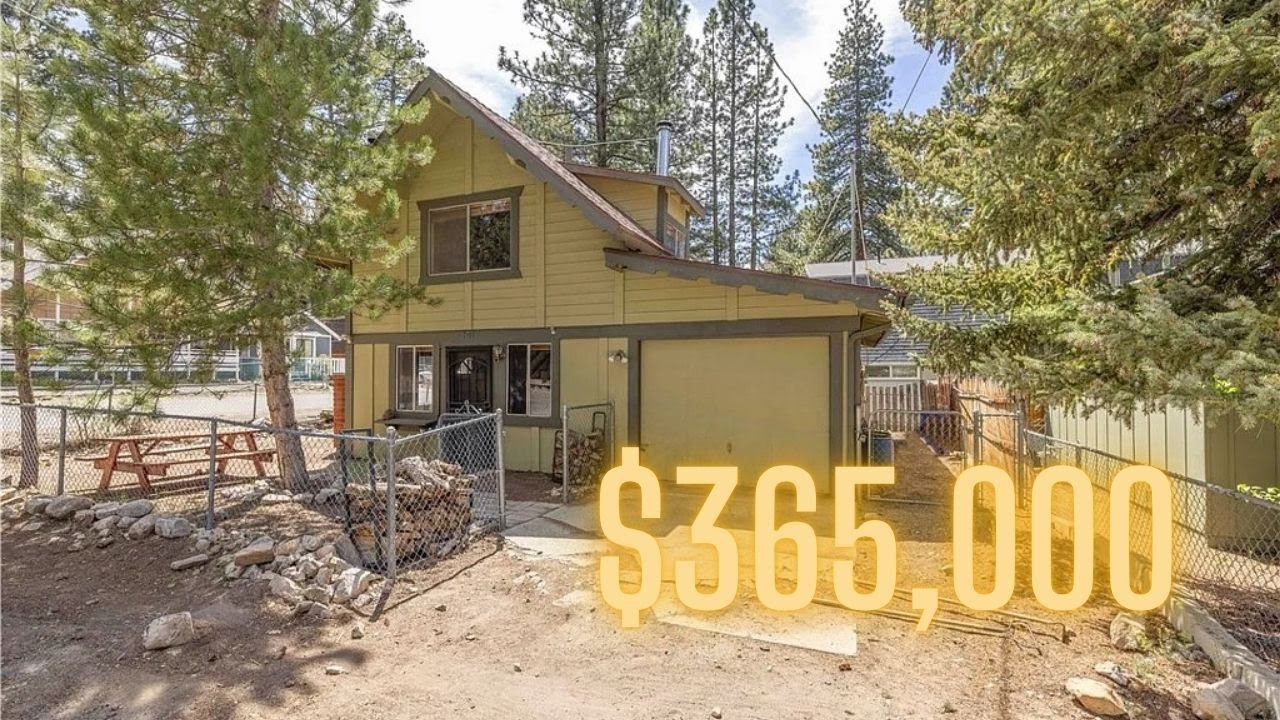
A garage is one of the most underrated features in a Big Bear City home. At nearly 6,800 feet of elevation, where winters bring real snow, a garage protects your vehicle, stores your gear and firewood, and saves you from scraping ice off your windshield every morning. Pair that with Big Bear City’s lower price point compared to Big Bear Lake, and a cabin with a garage becomes one of the smartest value plays in the mountain market — whether you’re buying for full-time living, weekend escapes, or rental income.
By Rachael Smith | June 15, 2026
I recently walked through a mountain getaway at 301 W Rainbow in Big Bear City, and it’s a great example of what “value with a garage” actually looks like up here. Before you watch the tour, let’s talk about why this combination — affordable location plus a garage — deserves more attention than it usually gets.
Most buyers fall in love with the view, the wood beams, or the stone fireplace. Those things matter. But the features that quietly make or break mountain ownership are the practical ones — and a garage sits right at the top of that list.
Down the hill, a garage is mostly about convenience. Up here, it’s about function.
Big Bear City gets snow — sometimes a lot of it. A garage means you’re not digging your car out before work, you’re not letting your engine warm up in a foot of powder, and your vehicle isn’t taking a beating from months of freeze and thaw. For a full-time resident, that’s a daily quality-of-life difference you feel all winter long.
It’s also storage. Mountain living comes with stuff: snow blowers, sleds, kayaks, paddleboards, mountain bikes, tools, and the firewood you’ll go through every season. A garage keeps all of it dry, secure, and out of the weather. Without one, that gear ends up cluttering a deck or a spare bedroom.
And if you ever rent the place out, a garage is a genuine differentiator. Guests arriving with a packed SUV and a roof box appreciate covered parking and a place to stash their equipment. It’s the kind of detail that shows up in five-star reviews.
Here’s the part a lot of buyers miss: garages are relatively scarce in older Big Bear cabins. Many were built as seasonal getaways with carports or no covered parking at all. So when you find a home that pairs an affordable Big Bear City price with a real garage, you’re buying something the next buyer will want too. That’s resale strength built right in.
Big Bear City tends to give you more home for your money than Big Bear Lake proper. Same mountain, same lake access, same forest — usually at a lower entry price. For buyers watching their budget, that’s where the opportunity lives.
But value isn’t only about the sticker price. When I evaluate a home like 301 W Rainbow with clients, I’m weighing the things that protect your investment over time:
A property that checks the practical boxes and comes in at a reasonable Big Bear City price is exactly the kind of buy that tends to age well — both as a place to enjoy and as an asset. If you want to see how this home stacks up against other affordable options, it’s worth comparing it to other Big Bear City cabins in the under-$400K range to get a feel for what your money buys at different price points.
Want more Big Bear real estate insights like this? I break down market data, neighborhood-by-neighborhood value, and buying and selling strategy every week on my YouTube channel. Subscribe here so you never miss a tour or a market update.
The same cabin can be three different purchases depending on your goal. Here’s how I’d think about a value home with a garage for each path.
Full-time living. The garage stops being a luxury and becomes part of your daily routine. You’ll also care most about year-round road access, efficient heating, and a layout you won’t outgrow. Big Bear City’s lower price point makes full-time ownership realistic for more buyers than they expect.
Weekend escapes. Lock-and-leave matters. A garage gives you secure storage for the toys you don’t want to haul up and down the hill every trip, and covered parking means you’re not arriving to a buried car. A right-sized, lower-cost home keeps your carrying costs comfortable between visits.
Short-term rental. Here the math gets interesting. Affordable purchase price plus features guests love — covered parking, gear storage, easy access — can make for healthy returns. Just know that short-term rental rules and permits vary by area and change over time, so confirm the current regulations for the specific address before you bank on rental income. I help clients run those numbers honestly before they buy, not after.
Whatever the path, the buying process itself trips people up more than the house does. If you’re newer to mountain transactions, it helps to understand what actually happens during escrow when you buy a home in Big Bear so there are no surprises between offer and keys.
The cheapest cabin on the market is rarely the best value. Value is the relationship between what you pay and what you get — the garage, the location, the condition, and the fit for your life. A home that costs a little more but covers the practical bases will almost always serve you better than a bargain that fights you every winter.
That’s the lens I bring to every showing. I’ve spent over a decade walking buyers through Big Bear City and Big Bear Lake, and I can tell you within a few minutes whether a home is priced right for what it actually delivers. The goal isn’t to find the lowest number — it’s to find the home that earns its keep, year after year.
If you’re weighing a Big Bear City cabin and want a straight answer on whether it’s a smart buy, that’s exactly the conversation I love to have. Watch the full tour of 301 W Rainbow above to see this value-with-a-garage idea in action, and subscribe to my channel for weekly Big Bear home tours, market breakdowns, and buying strategy you can actually use.
About Rachael Smith
Rachael Smith is a top-producing real estate agent with RE/MAX Big Bear, specializing in mountain homes, short-term rental investments, and luxury properties in Big Bear Lake and surrounding areas. With over a decade of experience and hundreds of homes sold, she helps buyers, sellers, and investors make smart, strategic real estate decisions. Through her strong online presence and data-driven approach, Rachael connects clients with opportunities both on and off the market.
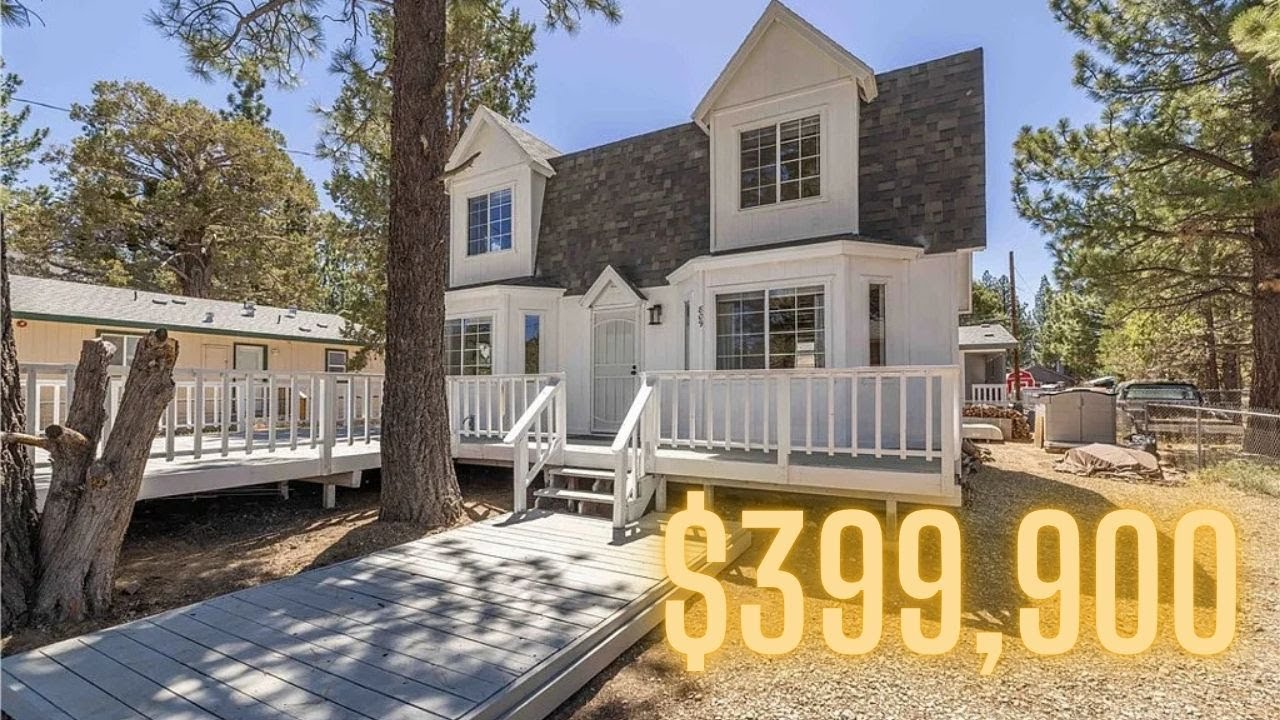
Yes — and this Dutch Gambrel in the Erwin Lake area of Big Bear City is proof. It’s a three-bedroom, two-bath cabin at roughly 1,272 square feet, fully updated, listed at $399,900. Move that same home into a more central neighborhood and you’re looking at $450,000 or more. The savings here come from location, not condition.
If you’ve been priced out of the idea of owning in Big Bear, this is the kind of listing worth understanding — what you get, where the value comes from, and who it actually fits.
By Rachael Smith | June 14, 2026
If you’ve watched a few of my tours, you’ve heard me say “Dutch Gambrel” before. Here’s the quick version.
The name comes from the roof. Look at the side of the house and you’ll see a barn shape — that wide, two-angle slope is the gambrel. On this model, that barn profile runs along the side with two dormers set into the upper level. Watch me point out the roofline at 0:23.
What makes these homes easy to shop for is that the floor plan repeats. Downstairs you get the kitchen, dining, and living area with one full bathroom. Upstairs you get three bedrooms and a second bathroom. Once you’ve walked one, you can walk the next and already know the bones. If you’ve looked at the Dutch Gambrel over on Catalina or the one on Barrett, this layout will feel familiar — same plan, different finishes and price points.
The home sits on a 5,000-square-foot lot, fully fenced with chain link, on a dirt road in Erwin Lake. That rural setting is exactly why it lands under $400K. You’re trading a paved central street for quiet, open mountain views, and a short drive to the lake and slopes. I break down the specs and pricing at 1:17.
A few things I’d flag as a buyer:
That last point matters for the math. A lot of sub-$400K mountain cabins come with a renovation budget hiding behind the list price. This one doesn’t. If you want to see how the same price band plays out across other homes, I walked through it in what $365K buys you in Big Bear City.
Want more Big Bear cabin tours and pricing breakdowns like this one? I post new walkthroughs and market insights every week on YouTube. Subscribe here so you catch the next listing before it’s gone.
You walk in under a stained-glass window, into the open downstairs.
The flooring is laminate hardwood with a barnwood look — multicolor planks laid clean, no visible gaps. A bay window pulls good light into the dining area, and the kitchen flows right off it. Take the kitchen walkthrough at 5:11.
The kitchen punches above the price:
The living room is genuinely large — flexible enough for a furniture-plus-office setup. Look up and you’ll see the detail that sells these cabins: a tongue-and-groove cedar pine ceiling with big headers. Because that ceiling doubles as the floor above, it can be tricky to light, so track lighting and lamps do the work. The windows are dual pane, and the red brick fireplace anchors the room. It doesn’t have a gas starter, but one is easy to add if you’d rather skip hauling wood.
Downstairs also holds the laundry, a wall heater, and a smart little detail — a trap door under a storage closet that gives you access beneath the house for plumbing or insulation checks.
This is where the updates really show. Both bathrooms carry the same handmade, thick countertops as the kitchen and the same flooring throughout. The showers are timeless white square tile, and each has a cast iron tub. See the downstairs bathroom at 9:52.
That cast iron detail is worth pausing on. A lot of cabins in this price range come with the cheap plastic tub-and-door insert. Swapping those out is a real project. Here, that work is already done — open white tile, cast iron, updated fixtures, clean.
Upstairs follows the Dutch Gambrel script: three bedrooms and the second, larger bathroom. The stairs and bedrooms are carpeted in a plush brownish-gray that wears well in a mountain home.
The smallest bedroom fits a double bed with room for nightstands and a headboard, and frames a real mountain view out the window. The middle bedroom is set up to sleep more — a day bed with a trundle — with a knotty pine accent wall. The third is the de facto primary: a king-size bed, two windows, an accent wall, a closet, and a view of a tall spruce. Each closet does double duty for storage, and one keeps an emergency escape ladder by the window, which is exactly the kind of mountain-living detail you want a seller to think about.
The deck wraps around three sides of the house, so you’re chasing sun and views no matter the time of day. The back gets strong light and a clean look at the roofline and the hills. I walk the wraparound deck at 14:47.
And one bit of Erwin Lake character you don’t get in a spec sheet: wild donkeys roam this part of the mountain. Live here long enough and you’ll see them wandering the dirt roads. It’s the kind of thing that makes a neighborhood feel like the mountains people picture when they dream about owning up here.
In my experience, the buyer on a home like this is one of two people: someone wanting a turnkey full-time or second home, or an investor eyeing a vacation rental. The updated kitchen and bathrooms, the three-bedroom layout, and the sub-$400K price make it work for both.
If you’re buying your first Big Bear cabin, the bigger question isn’t this house — it’s the process. Knowing how the mountain market prices outlying neighborhoods, what to check before you write an offer, and what actually happens once you’re in escrow is what keeps a good deal from turning into a stressful one.
A clean, updated Dutch Gambrel under $400,000 doesn’t sit long in this market. If a turnkey three-bedroom in the Erwin Lake area is what you’ve been waiting for, this is the kind of listing to move on — and the kind I tour every week. Subscribe to my channel so the next one lands in your feed first, and reach out anytime you want to walk one in person.
About Rachael Smith
Rachael Smith is a top-producing real estate agent with RE/MAX Big Bear, specializing in mountain homes, short-term rental investments, and luxury properties in Big Bear Lake and surrounding areas. With over a decade of experience and hundreds of homes sold, she helps buyers, sellers, and investors make smart, strategic real estate decisions. Through her strong online presence and data-driven approach, Rachael connects clients with opportunities both on and off the market.


