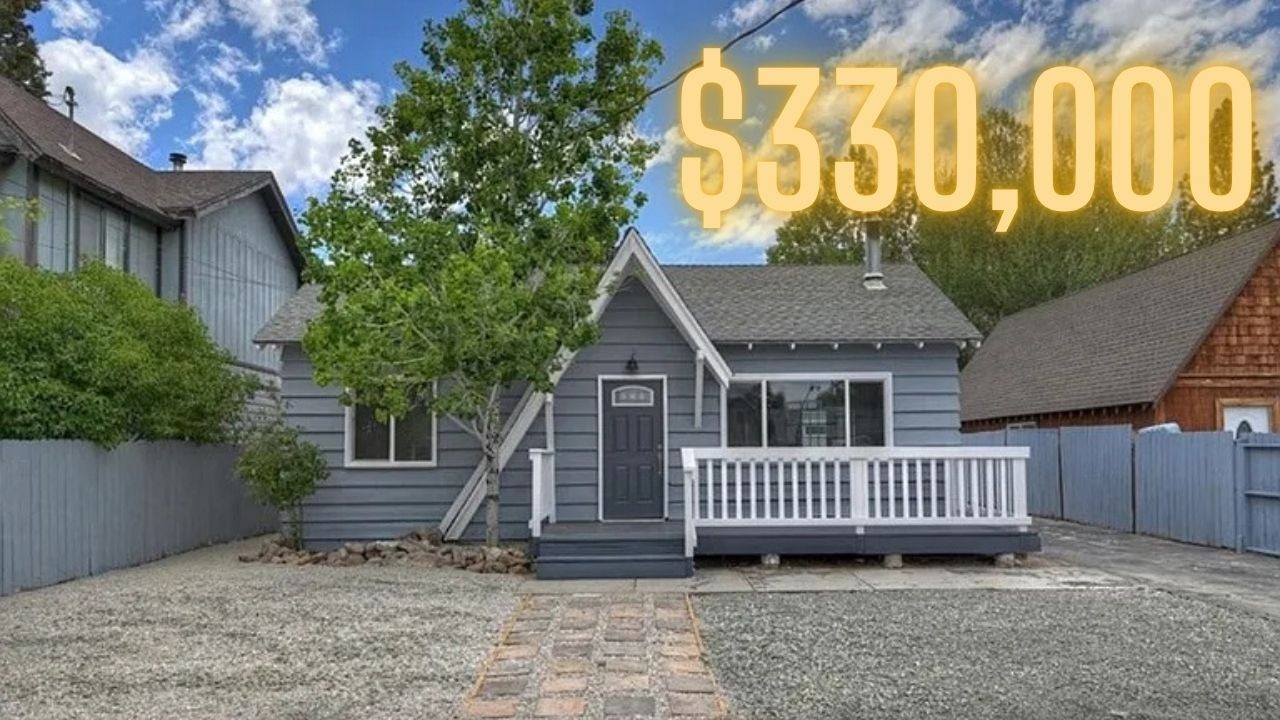
Is a Big Bear home close to town worth it?
Yes — buying a Big Bear home that’s minutes from town gives you year-round access, walkability to the Village, easier snow-season living, and broader appeal when it’s time to rent or resell. You’ll usually pay a premium for that location, but the convenience and stronger demand tend to make it one of the smartest trade-offs you can make in this market.
By Rachael Smith | July 21, 2026
If you’ve been dreaming of owning a mountain home in Big Bear, location is the one thing you can’t renovate later.
You can update a kitchen, refinish a deck, or add a garage. You can’t move the house closer to town. So when a property comes up that’s just minutes from the Village — like the one I toured this week — it’s worth understanding exactly why that matters, and what to look at before you write an offer.
Here’s how I’d think through a home like this if you were sitting across from me at the office.
Why “minutes to town” is more than a selling line
In a mountain market, proximity to town does real work for you every single day.
Start with winter. Big Bear gets snow, and the closer you are to the main corridors, the sooner your roads get plowed and the easier it is to get in and out during a storm. Homes tucked deep into the outer neighborhoods can be gorgeous, but you’ll spend more mornings clearing a long driveway and timing your trips around the weather. A home minutes from town means you’re rarely stranded, and that’s a bigger deal than most first-time mountain buyers expect.
Then there’s the lifestyle piece. Being close to the Village means you can walk or take a short drive to restaurants, coffee, the grocery store, and the lake. That’s the version of mountain living most people are actually picturing — cabin quiet when you want it, town convenience when you need it.
And it shows up in the numbers. Homes with easy year-round access and a short hop to town hold a wider buyer pool, which supports resale value and keeps your property liquid if your plans change. If you want to go deeper on the location trade-offs specific to the Village area, I broke that down in my guide on buying a home near Big Bear Lake Village.
What to look at when you tour a home like this
A property tour is fun. The inspection mindset is what protects your money.
When I walk buyers through a Big Bear home, I’m looking at the things that specifically matter at 6,700 feet — not just the finishes. A few of the big ones:
- Heat and AC. Know the heat source — forced air, wall heaters, a wood stove — and whether it’s efficient. Many mountain homes don’t have central air conditioning, which is fine for most of the year but worth knowing before summer. Buyers ask me about this constantly.
- Roof and deck under snow load. Snow is heavy. Check the age and condition of the roof, and look at how the decks and railings are holding up. Deferred maintenance up here gets expensive fast.
- Parking and the garage. A garage or covered parking is a genuine winter asset — somewhere to keep a car off the snow and store gear. If a home has one, that’s a real plus in this market.
- Water, sewer, and septic. Confirm whether the home is on sewer or septic, and understand the water setup. It’s a simple question that saves surprises.
- Foundation and drainage. Mountain lots slope. You want to see that water moves away from the house, not toward it.
None of this should scare you off. Mountain homes are wonderful — they just reward buyers who ask the right questions. If cabins are more your speed, the same inspection discipline applies, and I walk through it in my post on buying a mountain cabin in Big Bear City.
Want more Big Bear real estate insights like this? I break down market data, home tours, and buying and selling tips every week on my YouTube channel. Subscribe here so you never miss a new listing or a market shift.
Full-time home, weekend escape, or investment?
The right home depends on how you plan to use it, and a location close to town serves all three goals well.
If this is your full-time residence, the year-round access and walkability are the whole point. You’re not fighting the mountain to run errands or get to work.
If it’s a weekend escape, being close to town means you actually relax when you arrive instead of stocking up for a siege. You can drive up Friday night, grab dinner in the Village, and be on the lake or the slopes Saturday morning.
If you’re thinking investment, location is your rental engine. Short-term rental guests overwhelmingly want to be near the Village, the lake, and the ski resorts, and a home that’s minutes from town tends to earn higher occupancy and better nightly rates than something farther out. Just do this before you fall in love: confirm the property’s short-term rental permit status with the City of Big Bear Lake or San Bernardino County, since the rules and permit availability vary by area. I covered the current numbers and what makes a strong rental in my breakdown of whether a Big Bear cabin is a good Airbnb investment in 2026.
One home can absolutely serve two of these roles — plenty of my clients buy a weekend place that pays for itself as a rental when they’re not using it. The key is deciding your priority order up front so you’re evaluating the right things.
How to move on a home that’s close to town
The catch with well-located Big Bear homes is simple: everyone else wants them too.
Properties with year-round access, a short drive to the Village, and features like a garage tend to move faster and draw more interest than harder-to-reach listings. That means you want your financing lined up, your must-haves clear, and an agent who can get you in the door quickly and read whether the price makes sense.
In my experience, buyers who lose out on the good ones usually aren’t outbid — they’re just a step slow, or they’re still deciding what they want when the right home appears. The fix is preparation. Know your budget, know your non-negotiables, and know the neighborhoods before you’re standing in the living room trying to decide. If you’re weighing home styles too, my rundown on Big Bear A-frame homes is a good place to start.
A home minutes from town in Big Bear is one of those purchases that keeps paying you back — in easier winters, better weekends, and a property that holds its value. Get clear on how you’ll use it, tour it with the right questions, and be ready to act when the fit is right.
I post new Big Bear home tours, market updates, and buying and selling strategy every week on my YouTube channel. If you want to see homes like this one the moment they hit — and understand what they’re really worth — subscribe here and follow along. And when you’re ready to tour in person, that’s what I’m here for.
About Rachael Smith
Rachael Smith is a top-producing real estate agent with RE/MAX Big Bear, specializing in mountain homes, short-term rental investments, and luxury properties in Big Bear Lake and surrounding areas. With over a decade of experience and hundreds of homes sold, she helps buyers, sellers, and investors make smart, strategic real estate decisions. Through her strong online presence and data-driven approach, Rachael connects clients with opportunities both on and off the market.