
Lower Price Updated
Remax
01923537
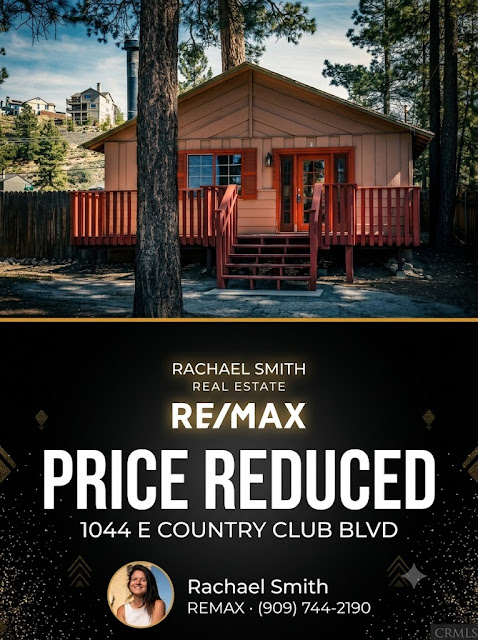
Lower Price Updated
Remax
01923537
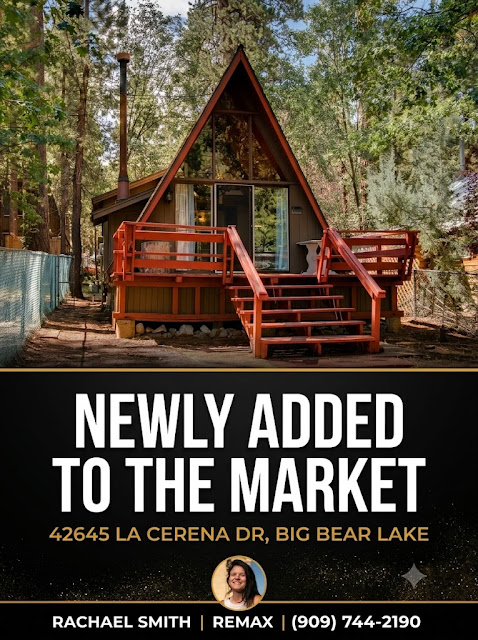

You Will Love This New Listing
Remax
01923537
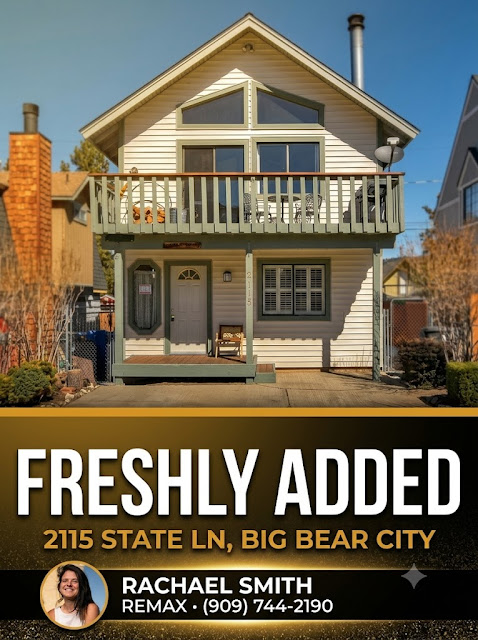

Freshly Added Cabin
Remax
01923537
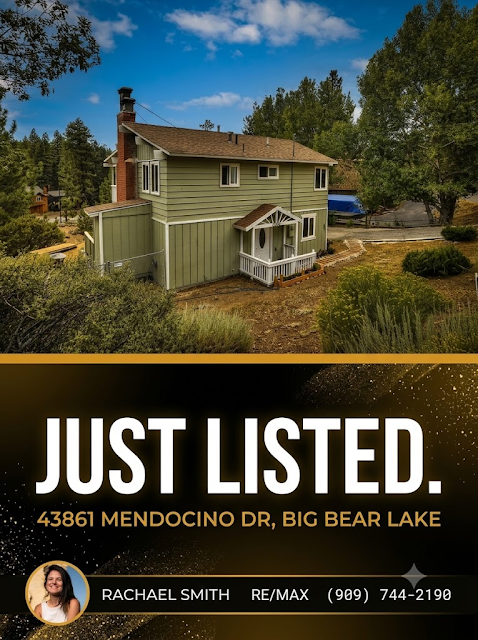

Check Out This New Gem!
Remax
01923537
Big Bear Lake: Hollywood’s Hidden High-Altitude Sanctuary
When people think of celebrity hideaways in California, places like Malibu, Palm Springs, or Lake Tahoe often come to mind. But tucked away in the San Bernardino Mountains, about two hours from Los Angeles, sits a quieter and lesser-known retreat: Big Bear Lake.
For decades, this mountain town has quietly attracted actors, musicians, and athletes looking for a peaceful place to escape the spotlight. With fresh mountain air, scenic lake views, and a culture that respects privacy, Big Bear has become something of a hidden sanctuary for Hollywood and beyond.
Famous Faces Who Have Called Big Bear Home
Big Bear’s charm has drawn a variety of notable residents over the years. While the town values privacy and doesn’t promote celebrity culture the way other destinations might, several well-known figures have spent time living or retreating here.
The beloved actor from the television series Night Court made Big Bear his permanent home and lived there until 2023. Over time, he became more than just a celebrity resident—he became part of the local community.
The legendary singer once owned a modest lakeside cabin in Big Bear. For her, it was a quiet place to step away from the demands of fame and enjoy the peaceful mountain setting.
The celebrity couple once maintained a unique property near Boulder Bay Park, taking advantage of the region’s rare government land lease program for their mountain retreat.
These stories highlight something special about Big Bear: celebrities aren’t treated like attractions—they’re simply neighbors.
Why Big Bear Appeals to Hollywood
So what makes this mountain town so appealing to famous residents?
Big Bear’s proximity to Los Angeles makes it incredibly convenient. Celebrities can leave the city and be surrounded by pine forests and mountain air within a couple of hours—no long flights or cross-country travel required.
Unlike some celebrity hotspots, Big Bear doesn’t revolve around star sightings or guided tours of famous homes. Residents respect privacy, allowing public figures to shop, dine, and relax without constant attention.
At roughly 6,700 feet above sea level, Big Bear offers clean air, cooler temperatures, and a slower pace of life. For many creatives and athletes, the mountain environment provides a natural reset away from the fast pace of Hollywood.
A Training Ground for Elite Athletes
The elevation and natural landscape have also attracted professional athletes who use the mountains for high-altitude training.
The former world champion boxer owns property in the area and has used the mountains as part of his training environment.
The legendary fighter previously owned a training complex in the Big Bear area.
The UFC champion has also trained in Big Bear, using the altitude and terrain to improve endurance and performance.
For athletes, the thinner mountain air creates more demanding workouts, which can improve stamina and conditioning.
The Quiet Celebrity Retreat
What truly sets Big Bear apart is that it doesn’t feel like a celebrity destination.
There are no paparazzi-lined streets or exclusive red-carpet clubs. Instead, the town offers something much rarer: authenticity.
People come to Big Bear for the same reasons, whether they’re famous or not:
Peaceful lake views
Outdoor adventures year-round
Fresh mountain air
A slower, more relaxed lifestyle
In Big Bear, the focus isn’t on status—it’s on enjoying the mountains.
A Place Where Everyone Comes to Unplug
For decades, Big Bear Lake has served as a quiet retreat for people looking to recharge—whether they’re actors, athletes, musicians, or everyday travelers.
It’s close enough to Los Angeles for a weekend getaway, yet far enough away to feel like a completely different world.
And that balance is exactly what makes Big Bear Lake one of Southern California’s most unique mountain communities—a place where even Hollywood can step away from the spotlight and simply enjoy the view.
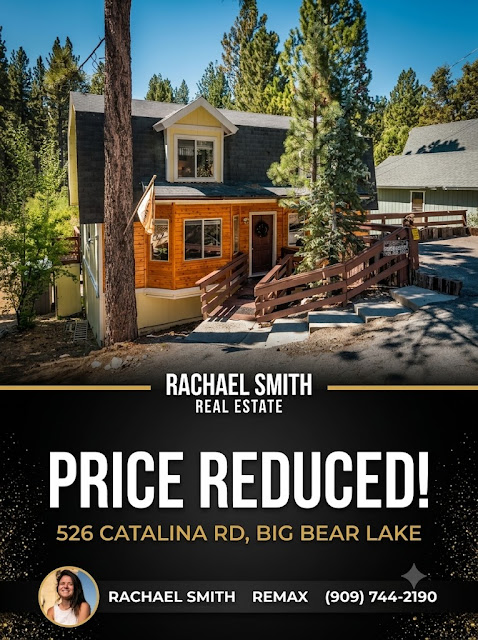

Price Updated: $539,000
Remax
01923537


Officially out of the market! Just Sold!
Remax
01923537
Escrow is the 30-to-45-day period between your accepted offer and the day the deed records in your name. A neutral escrow company holds your deposit and the signed paperwork while you complete inspections, review seller disclosures, finish your loan, and confirm the title is clean. In Big Bear Lake, that process carries two mountain-specific wrinkles most California buyers don’t deal with: fire-zone disclosures tied to Public Resources Code 4291, and a buyer’s-market timeline that gives you more room to negotiate than a hot metro would.
You found the cabin. Your offer got accepted. Now what?
For most buyers, the stretch between “we have a deal” and “here are your keys” is the most confusing part of the whole purchase — because it’s the part nobody explains until you’re already in it. You’re signing documents you’ve never seen, hitting deadlines you didn’t know existed, and wiring money to a company you’ve never met.
Here’s exactly how escrow works when you buy in Big Bear Lake, what happens in what order, and where mountain properties throw a curveball you need to plan for.
Escrow is a neutral third party. The escrow company doesn’t work for you and doesn’t work for the seller. Its only job is to hold the money and the documents, follow the written instructions in your purchase contract, and not release anything until every condition is met.
In Southern California — including San Bernardino County, where Big Bear sits — we use independent escrow and title companies, not attorneys, to close transactions. That’s different from East Coast and Midwest buyers, who often expect a closing attorney. Here, your escrow officer is the traffic controller.
The clock starts when escrow “opens” — usually within a day or two of your accepted offer, once your initial deposit lands.
A standard financed purchase in Big Bear Lake runs 30 to 45 days. Here’s the sequence:
1. Open escrow and deposit earnest money (Days 1–3). You wire your good-faith deposit — typically 1% to 3% of the purchase price — to the escrow company. On a $590,000 cabin, that’s roughly $5,900 to $17,700. This money isn’t a fee. It’s credited toward your down payment and closing costs at the end. It’s also what you stand to lose if you walk away without a valid contingency, so it has teeth.
2. Seller disclosures arrive (first ~7 days). California gives sellers a tight window to hand over the disclosure package. This is where you learn what’s actually going on with the property — more on the Big Bear-specific documents below.
3. Inspections, appraisal, and loan move in parallel (Days 1–17). The standard California Residential Purchase Agreement sets a default 17-day window for you to complete your physical inspections, get the appraisal back, and secure loan approval. You schedule your home inspection, and in Big Bear you’ll often want specialists — a roof inspection (snow load matters up here), a septic inspection if the property isn’t on sewer, and a chimney or wood-stove check. Your lender orders the appraisal. You keep feeding documents to underwriting.
4. Contingency removal (around Day 17). This is the pivot point. Once you’re satisfied with inspections, the appraisal supports the price, and your loan is solid, you sign to remove your contingencies. Before you remove them, your deposit is generally protected if you cancel for a covered reason. After you remove them, that protection largely goes away. Don’t remove contingencies because a deadline arrived — remove them because you’re actually satisfied.
5. Loan docs, signing, and funding (Days 25–43). Your lender sends final loan documents to escrow. You sign with a notary — often a mobile notary who’ll meet you, which matters when you’re buying from out of the area. You wire your remaining down payment and closing costs. The lender wires the loan funds.
6. Recording (closing day). Escrow records the grant deed with the San Bernardino County Recorder. The moment it records, the home is legally yours. You get the keys.
Every California purchase comes with a stack of disclosures. Three of them do the heavy lifting, and in Big Bear one of them is non-negotiable.
That fire designation triggers a real obligation. Under California Civil Code 1102.19, a seller of a home in a High or Very High Fire Hazard Severity Zone must give you documentation that the property complies with Public Resources Code 4291 — the defensible-space law requiring up to 100 feet of clearance around the structure. The Big Bear Fire Department performs defensible-space inspections, and that compliance paperwork should show up in your escrow.
If the seller can’t produce compliant documentation before closing, California law lets you and the seller sign a written agreement that you’ll obtain compliance within one year of close of escrow. That’s a real cost and a real to-do list landing on your plate as the new owner — so know which side of that line your purchase falls on before you remove contingencies. I break down the broader mountain-disclosure picture in my guide to snow load, fire clearance, and mountain disclosures.
One more practical item: California requires working smoke detectors, carbon monoxide detectors, and a properly braced or strapped water heater at the point of sale. These are small, but they have to be handled before closing.
Closing costs in San Bernardino County follow regional custom — and custom is not law. Everything here is negotiable in your contract.
The “custom” allocations are exactly that. In a buyer’s market, more of these line items move to the table. As of early June 2026, Big Bear Lake is sitting around 283 active listings, roughly 108 days on market, and close to 9.7 months of supply. That’s a buyer-favorable backdrop — which means you have standing to ask the seller to cover a repair, credit you for fire clearance, or pick up a closing cost they’d normally split. The escrow process is where that leverage gets written down and enforced.
Three things trip up buyers who’ve only purchased in the flatlands:
Distance. A lot of Big Bear buyers live in LA, Orange County, or the Inland Empire. You can run almost the entire escrow remotely — mobile notary, electronic document delivery, wired funds — but you’ll want a local agent physically checking on inspections and access.
The property is often a second home or STR. That changes your loan terms and your contingency strategy. If you’re planning to rent it short-term, confirm the permit situation during escrow, not after. Permit rules don’t transfer automatically with the property.
Mountain systems. Septic, well, propane, wood stoves, and roofs built for snow load all deserve their own inspection attention. The 17-day window is enough time — but only if you schedule early.
How long does escrow take in Big Bear Lake?
A typical financed purchase closes in 30 to 45 days. All-cash deals can close faster — sometimes in two to three weeks — because there’s no lender, appraisal, or loan-underwriting timeline to wait on.
Can I back out during escrow and get my deposit back?
Generally yes, if you cancel for a reason covered by an active contingency — the inspection turns up a problem, the appraisal comes in low, or your loan falls through — and you’re within the contingency window. Once you’ve signed to remove your contingencies, your earnest-money deposit is at risk if you cancel. That’s why the 17-day mark matters so much.
Who chooses the escrow and title company?
It’s negotiated in the purchase contract. Often the listing side proposes a company, but you can request your own. Under RESPA, no one can require you to use a specific provider as a condition of the sale, and you’re free to compare.
Do I need a fire-clearance inspection to close on a Big Bear home?
If the property is in a High or Very High Fire Hazard Severity Zone — which covers most of the valley — the seller must provide PRC 4291 defensible-space compliance documentation, or you and the seller sign an agreement that you’ll bring it into compliance within a year of closing. Confirm which applies before you remove contingencies.
What’s the first thing that happens after my offer is accepted?
Escrow opens and you wire your earnest-money deposit, usually within one to three days. From there, the seller’s disclosure package and your inspection scheduling kick off almost immediately.
Escrow isn’t the scary part — it’s the organized part. Thirty to forty-five days, a clear sequence of milestones, and a neutral company making sure nobody skips a step. The buyers who feel blindsided are almost always the ones who didn’t know what was coming. Now you do.
The piece that’s genuinely local is the fire-clearance and disclosure layer, and that’s worth getting right before you commit. If you’re under contract or about to write an offer on a Big Bear cabin, I’m happy to walk you through the timeline for your specific property and flag what to watch for before your contingencies come off.
If you’re buying and selling at the same time, my guide on how to buy in Big Bear before you sell your current home walks through the sequencing.

About Rachael Smith-Meadors
Rachael Smith-Meadors is a Broker Associate with RE/MAX Big Bear, serving buyers, sellers, and STR investors across Big Bear Lake and the surrounding mountain communities. With 10+ years in the business and a YouTube channel followed by 160,000+ people researching the market, she helps clients understand what’s actually happening in Big Bear before they buy, sell, or list. Connect with her at buyinbigbearlake.com.
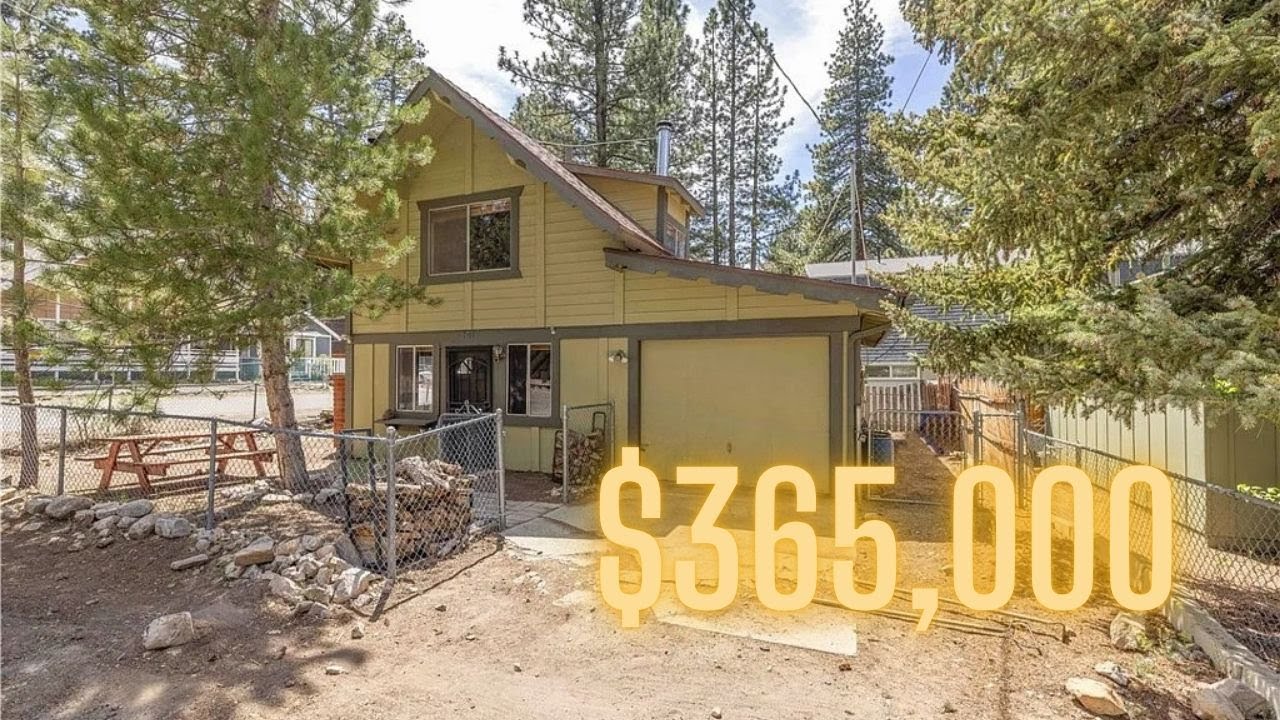
Yes — and Big Bear City is where that number still works. A recent walkthrough of 301 W Rainbow, a two-bed, two-bath corner-lot cabin with a garage, is listed at $365,000. At this price you trade some modern updates for location, lot size, and flexible space — including a third-floor bonus room and a fully fenced lot with room for a boat or RV. Here’s exactly what that price gets you, and what to scrutinize before you write an offer.
By Rachael Smith | June 7, 2026
Big Bear City gets overlooked by buyers who fixate on lakefront listings and the village core. That’s a mistake if your budget tops out around $400,000. The cabins out here give you mountain living, real square footage, and a shot at vacation rental income without the lakefront price tag. The walkthrough below shows what a sub-$400K cabin actually looks like in 2026 — warts, charm, and all.
This is a two-bedroom, two-bath cabin with a one-car garage, sitting on a fenced corner lot at Sawmill and Rainbow. On paper that sounds modest. In person, the home lives bigger than its bedroom count because the space is stacked across three floors and built for flexibility.
The main floor holds the kitchen, living room, dining area, a bedroom, and a full bath. The kitchen is the surprise — it’s roomy for a cabin, with a butcher-block prep counter that seats four, original Big Bear cabinetry in good shape, a wine-and-coffee bar nook, and enough room for a second full-size refrigerator. The cabinetry and formica counters are dated, but they’re solid, and there’s a spot already framed out where a future owner could add a wine fridge or a dishwasher. Walk the kitchen with Rachael at 2:27.
The standout feature for buyers thinking about resale or rental is the corner lot. It wraps the full perimeter of the house, it’s fully fenced except by the garage, and both gates open — so you can park a boat, an RV, or a second and third vehicle on your own property. In a mountain market where storage is gold, that’s a real differentiator. See the lot and gates at 0:41.
Two bedrooms is the headline number, but it’s not the sleeping capacity. Upstairs there’s a multi-use room under a skylight that flexes into a game room, a TV theater, an office, a music nook, or extra sleeping with bunk beds or a trundle. Climb a steep “just-for-fun” staircase and you reach a low kids’ hideaway nook that gets warm from the wood stove below — exactly the kind of quirky space families remember when they’re booking a mountain getaway. Tour the upstairs loft at 11:18.
Then there’s location, which is what actually drives nightly rates. From this cabin you’re roughly five minutes to the lake, seven minutes to the grocery stores, seven minutes to the ski slopes, and eight to ten minutes to the village. That’s the kind of “close to everything” positioning guests filter for. Hear the drive times at 16:32.
One honest caveat: short-term rental income in Big Bear depends on permitting, and the rules around permits and caps shift. A cabin can be a perfect rental layout and still be limited by what the city allows at that address. Before you bank on nightly revenue, confirm the current short-term rental rules for the specific parcel. That’s the difference between a smart investment and an expensive assumption.
Thinking about a Big Bear cabin as an investment, not just a getaway? Rachael breaks down real listings, rental math, and what the numbers actually look like every week on her YouTube channel. Subscribe here so the next property tour lands in your feed.
An affordable older cabin is a great value right up until a deferred-maintenance surprise eats your savings. Here’s what to put on your inspection radar with a home like this one:
None of these are deal-breakers. They’re the normal trade-offs of buying real value in a mountain market. The buyers I work with who do best are the ones who go in clear-eyed about what’s original, what’s been updated, and what they’ll want to change — and who price those changes in before they offer, not after.
If you’re weighing a purchase like this, it also pays to think a step ahead about the buying process itself — especially if you already own a home. My guide on how to buy a home in Big Bear before you sell your current one walks through the timing, and if you haven’t picked an agent yet, start with these questions to ask a Big Bear realtor before you hire. Buyers comparing this against brand-new builds should also read up on new construction homes in Big Bear Lake to see how the trade-offs stack up.
A cabin like 301 W Rainbow proves you can still get into the Big Bear market under $400,000 — with a garage, a usable lot, flexible sleeping space, and a location that works for full-time living, weekend escapes, or vacation rental use. The key is buying with your eyes open: know what’s dated, confirm what’s permitted, and run the rental numbers on real rules, not hope.
Want to see more value-driven Big Bear listings like this one before they’re gone? That’s exactly what I tour every week. Subscribe to my YouTube channel for new property walkthroughs, market breakdowns, and straight-talk buying and investing advice for Big Bear Lake.
About Rachael Smith
Rachael Smith is a top-producing real estate agent with RE/MAX Big Bear, specializing in mountain homes, short-term rental investments, and luxury properties in Big Bear Lake and surrounding areas. With over a decade of experience and hundreds of homes sold, she helps buyers, sellers, and investors make smart, strategic real estate decisions. Through her strong online presence and data-driven approach, Rachael connects clients with opportunities both on and off the market.

Sell when your equity, your holding costs, and your life timeline line up — not when you think you’ve spotted the exact market peak. If you’re sitting on strong equity, your home shows well, and waiting means carrying a mortgage, insurance, and rental costs against softening demand, selling now usually wins. If your holding costs are low and you have no real reason to move, waiting can be the smarter play. The answer is personal, and it starts with your numbers, not a headline.
By Rachael Smith | June 5, 2026
Every spring I get the same question from Big Bear homeowners: is now the time to sell, or should I hold on a little longer? It’s a fair question, and the honest answer is that “the market” doesn’t decide it for you. Your situation does.
So let’s break down what’s actually happening in the Big Bear Lake market right now and how to decide what makes the most financial sense for your home.
This is the part most homeowners get wrong, and it changes everything about timing.
Big Bear is a resort market. It’s driven by second homes, vacation rentals, and lifestyle buyers — people who want a mountain escape, not a primary residence near a job. That means it doesn’t move the way the traditional Southern California housing market does.
Down the hill, demand is tied to commutes, school districts, and local employment. Up here, demand is tied to discretionary income, interest rates, and how confident buyers feel about spending on a getaway. When money tightens, a second home is one of the first purchases people pause on.
So the question “is the market crashing?” is the wrong frame. A resort market rarely crashes all at once. It softens in some price bands and neighborhoods while holding firm in others. The read you need is specific to your home, not a regional average.
Forget trying to call the top. Smart sellers weigh a handful of real, knowable factors instead.
Your equity position. If you bought years ago or paid down a meaningful chunk of your loan, you likely have substantial equity. That equity is what gives you options. The more you have, the less a few points of market movement changes your outcome — and the more flexibility you have to price for a clean, confident sale.
Your holding costs. This is the number sellers forget. Every month you wait, you’re paying a mortgage, property taxes, insurance — which has climbed sharply in mountain and fire-exposed areas — utilities, maintenance, and snow management. If your home isn’t earning rental income that covers those costs, waiting isn’t free. It’s a monthly bill against a market that may not be rising fast enough to beat it.
Interest rates and buyer demand. Rates shape how many buyers can comfortably afford a second home and how aggressive they’ll be on price. When borrowing is expensive, the buyer pool thins and the buyers who remain negotiate harder. That doesn’t mean you can’t sell — it means presentation and pricing have to be sharper.
Short-term rental regulations. This matters more than ever in Big Bear. A large share of buyers here are investors, and what they’ll pay is tied directly to what a home can earn — and whether it can legally keep earning. A property with an established, documented, transferable rental history is worth more to that buyer than an identical home without one. As rules evolve, proving income and permit standing becomes part of your pricing strategy, not a footnote.
Wondering what your specific Big Bear home would realistically sell for in today’s market? Rachael breaks down pricing, neighborhood trends, and seller strategy every week on her YouTube channel. Subscribe here so you never miss a market update.
“Big Bear” isn’t one market — it’s several. Pricing and demand look different in Moonridge, Boulder Bay, Fawnskin, Sugarloaf, Big Bear Lake, and Big Bear City.
Lakefront and near-lake homes, walkable locations close to the village and the slopes, and turnkey properties with strong rental performance tend to hold value best, because they sell the lifestyle buyers are actually paying for. Homes that need work, sit on difficult access roads, or carry weak or undocumented rental numbers feel the softness first.
The takeaway: where your home sits — literally and in terms of condition and income — matters as much as when you list it. A well-positioned home in a strong micro-location can sell well in almost any market. A weak listing struggles even in a hot one.
Overpricing to “test the market,” then chasing it down.
In a resort market with a thinner buyer pool, an overpriced listing doesn’t just sit — it goes stale. Buyers watch days-on-market closely up here, and a home that lingers signals that something’s wrong, even when nothing is. By the time you reduce, you’ve often lost the momentum of those first two weeks when a fresh, correctly priced listing draws the most attention.
The sellers who win right now do the opposite. They price to the current comps from day one, present the home so it shows beautifully in photos and in person, and document everything an investor buyer needs to feel confident. That’s not a market trick. It’s just strategy, and it works whether the market is rising, flat, or soft.
Run it through this simple filter:
What I tell the clients I work with is this: don’t sell based on fear, and don’t wait based on hope. Sell based on your numbers and your timeline. When those two line up, the “perfect market moment” stops mattering — because you’re making the move that’s right for you.
If you’re weighing this decision, the most useful next step is a clear-eyed look at your specific property: current comps, realistic pricing, and what it would actually take to get it sold. That’s the kind of strategy I walk through on the channel every week, using real Big Bear market data instead of national headlines. Subscribe to the channel here and you’ll always know where this market really stands before you make a move.
About Rachael Smith
Rachael Smith is a top-producing real estate agent with RE/MAX Big Bear, specializing in mountain homes, short-term rental investments, and luxury properties in Big Bear Lake and surrounding areas. With over a decade of experience and hundreds of homes sold, she helps buyers, sellers, and investors make smart, strategic real estate decisions. Through her strong online presence and data-driven approach, Rachael connects clients with opportunities both on and off the market.


