What should you look for when buying a mountain home near Big Bear Lake?
Focus on four things: how close the home is to the lake, Village, and ski resorts; how it handles snow and winter access; the quality and condition of the build; and how you actually plan to use it. Get those right and you’ll buy a Big Bear home that fits your life and holds its value—no matter what the listing price looks like at first glance.
By Rachael Smith | August 7, 2026
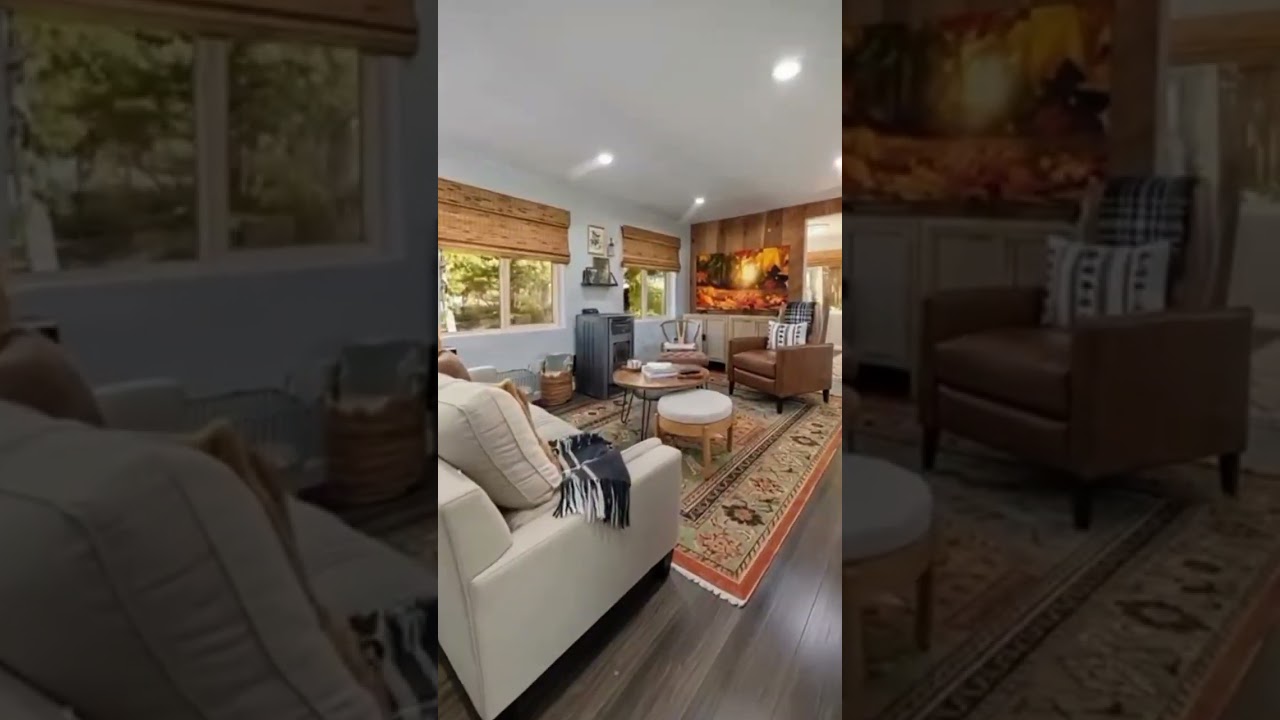
Every so often a home comes on the market in Big Bear that checks the boxes buyers are chasing—close to the lake, close to town, close to the slopes, and priced like a genuine opportunity.
The home at 39470 North Shore is a good example of that “great deal” feeling, and I gave it a quick walkthrough here:
A short tour is a great hook. But before you fall for any Big Bear home—this one or the next one—it’s worth zooming out.
Because in a mountain market, the smartest buyers aren’t just reacting to a price.
They’re checking the things that make a home actually work up here.
Here’s the framework I use with my buyers.
Location is more than a zip code in Big Bear
In a lot of markets, “location” means school district or commute time.
In Big Bear, it means something more specific: how close are you to the parts of mountain life you’ll use most?
The homes that stay in demand—and resell well—tend to be minutes from the things that brought you here in the first place:
- Big Bear Lake for boating, fishing, and summer evenings by the water
- The Village for restaurants, coffee, and walkable shops
- Snow Summit and Bear Mountain so ski mornings don’t start with a long drive
- Trailheads and the national forest for hiking and mountain biking right out the door
That’s exactly the pitch on a home like 39470 North Shore—one of Big Bear Lake’s more desirable pockets, close to all of it.
When a property gives you that kind of access at a competitive price, that’s when “great deal” starts to mean something real.
If you’re still deciding which side of the mountain suits you, my Big Bear neighborhood guide comparing Moonridge, Fox Farm, and Sugarloaf is a good place to start—it lays out the trade-offs between the areas so you know where you want to be before you tour homes.
The winter test most buyers forget
Here’s where mountain buying is different from anywhere flat.
A home can look perfect in an August walkthrough and be a headache in February.
Before you commit, run the winter test:
- How is the road maintained? Some streets get plowed early and often. Others don’t. Ask.
- What’s the driveway like? A steep, north-facing driveway holds ice and snow. A flatter, sun-exposed one clears fast. This is a daily-life detail, not a footnote.
- Which way does the lot face? Sun exposure changes how much you shovel, how the deck lives, and how the home feels in the dead of winter.
None of this should scare you off.
It just means you buy with your eyes open—and often, the “winter test” is where you find real negotiating leverage.
Want to see more Big Bear homes broken down the honest way—what’s a deal, what’s not, and what to watch for? I tour properties and share market insights every week on my YouTube channel. Subscribe here so the next great listing lands in your feed first.
Match the home to how you’ll actually use it
This is the step that saves buyers the most money and regret.
Before you get attached to a specific home, get honest about how you’ll use it.
Full-time residence. Then storage, heating, year-round access, and everyday livability matter most. A charming layout that’s miserable to heat in January isn’t the win it looks like.
Second home or weekend retreat. Then low-maintenance features, lock-and-leave convenience, and proximity to the lake and slopes carry more weight. You want to arrive and relax, not spend Saturday on upkeep.
Investment or short-term rental. Then the math has to work. Look at the price, the condition, the furnishing costs, and—critically—the local short-term rental rules, which vary by area and can change. A home that “feels” like a great rental and a home that actually pencils out are two different things.
If income is part of your goal, study how real listings perform rather than guessing. I break that down in posts like this look inside a smart Big Bear Airbnb investment and this honest breakdown of whether a $735K cabin is actually worth it.
How to tell a real deal from a good-looking price
“Great deal” is one of the most-used phrases in real estate, so let’s define it.
A price is only a deal if the fundamentals line up:
- The location supports strong, lasting demand.
- The condition doesn’t hide expensive surprises behind fresh paint.
- The comparable sales on nearby streets back up the number.
- The home fits a real use case—full-time, weekends, or rental—that makes sense for you.
When all four line up, you’re not just buying a low price. You’re buying a smart price.
That’s the difference between a home that feels good on tour and one that still feels good five years later.
For a helpful benchmark on what your budget buys in a different part of the mountain, compare a listing like this one to this Big Bear cabin near the national forest and what $485K gets you. Seeing a few homes side by side sharpens your sense of value fast.
The bottom line
A home near Big Bear Lake can absolutely be a great deal—but “great” is about fit and fundamentals, not just the number on the listing.
Check the location against how you’ll live, run the winter test, match the home to your real use, and make sure the comps and condition back up the price.
Do that, and you’ll buy with confidence instead of hope.
Watch the quick tour of 39470 North Shore to see the kind of home I’m talking about, and subscribe to the channel for weekly Big Bear home tours and straight-talk market updates. When you’re ready to walk through homes in person, reach out—I’ll help you tell the real deals from the rest so your next move is your best move.
About Rachael Smith
Rachael Smith is a top-producing real estate agent with RE/MAX Big Bear, specializing in mountain homes, short-term rental investments, and luxury properties in Big Bear Lake and surrounding areas. With over a decade of experience and hundreds of homes sold, she helps buyers, sellers, and investors make smart, strategic real estate decisions. Through her strong online presence and data-driven approach, Rachael connects clients with opportunities both on and off the market.
Leave a Reply